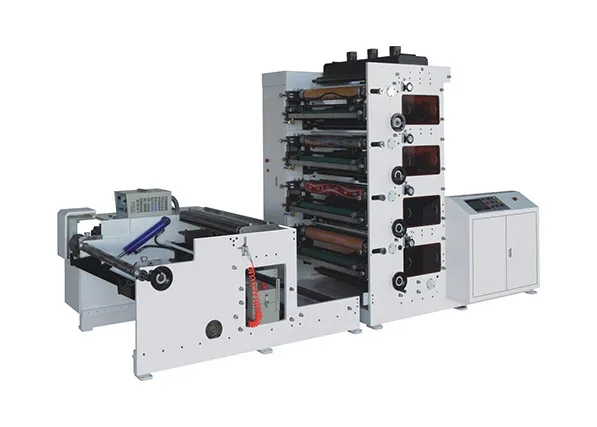
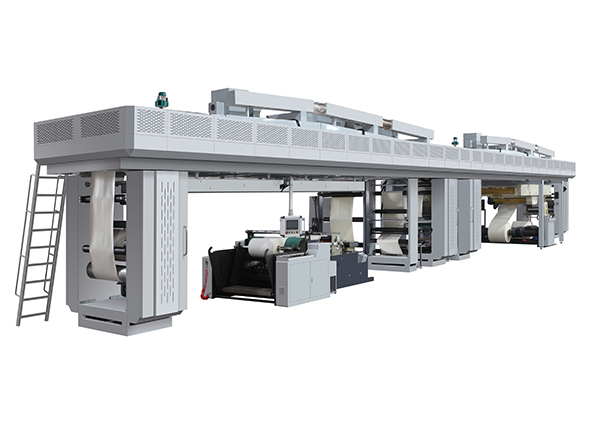
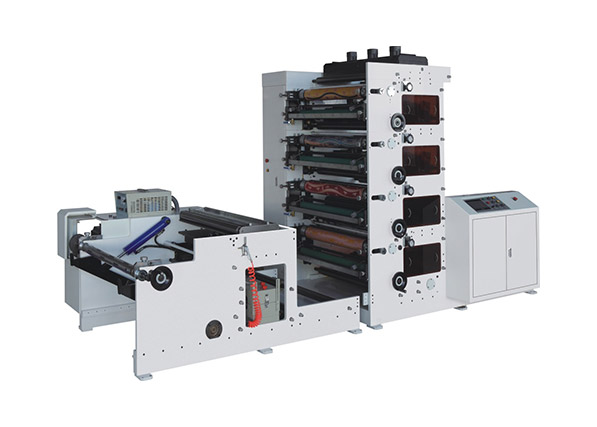
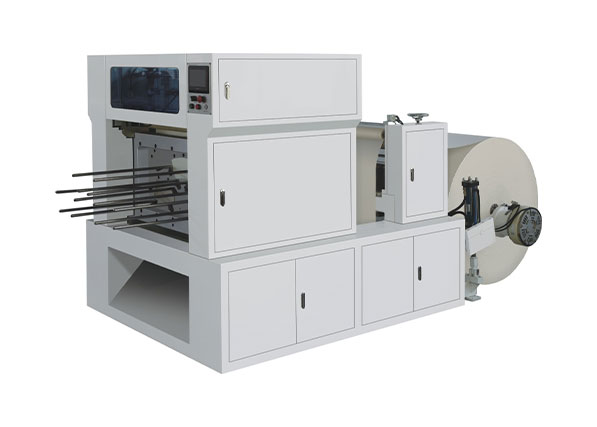
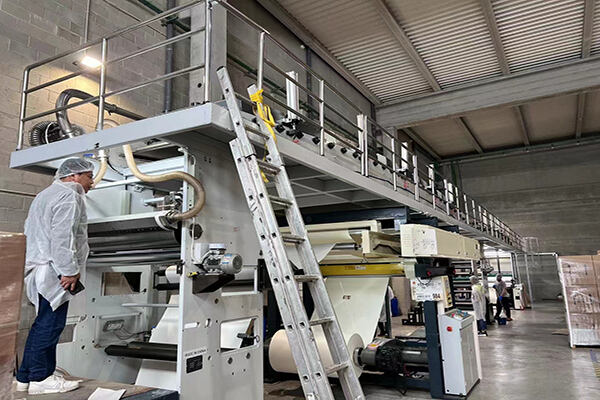
As the core equipment of the modern packaging industry, the flexographic printing press demonstrates its significance across multiple dimensions. It serves as the key technology for achieving efficient, economical, and high-quality printing on flexible substrates, finding extensive application in the printing of non-absorbent materials such as films, labels, and corrugated cardboard. The technology's exceptional adaptability makes it an indispensable production tool for food packaging, label printing, and industrial packaging, meeting global brands' demands for large-scale, customized printing.
Its core value is first demonstrated through unparalleled production efficiency. For long-run printing tasks, flexographic printing presses significantly reduce per-unit costs through high-speed operation and rapid roll change technology, enabling manufacturers to achieve economies of scale while maintaining quality. Modern models equipped with automation systems and intelligent control functions further minimize downtime and material waste, delivering substantial return on investment for enterprises.
Technologically, flexography has transcended traditional limitations. Through laser-engraved anilox rolls and high-definition plate-making, modern presses achieve print quality rivaling offset and digital printing. Simultaneously, the technology leads the green printing movement: water-based inks and UV curing significantly reduce volatile organic compound emissions, enabling large-scale production to align with environmental stewardship.
At its core, the flexographic printing press serves not only as the driving force of the packaging industry but also as a vital bridge connecting brands with consumers. Through sustainable production methods, it transforms brand creativity into the diverse array of product packaging found on store shelves, continuously propelling the evolution of the global retail ecosystem and commercial civilization.

 EN
EN