 EN
EN
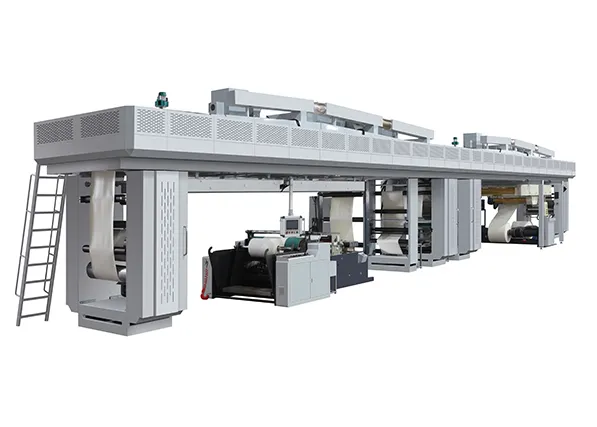
Streamlining Production: The Economic Impact of Automation
In the modern manufacturing landscape, the shift toward automation is no longer a luxury but a necessity for companies aiming to remain competitive. Automatic paper roll die cutting machines represent a pivotal investment for businesses looking to optimize their production workflows. By replacing labor-intensive manual cutting processes with sophisticated automated systems, manufacturers can significantly reduce reliance on manual intervention. This transition allows skilled workers to focus on higher-level tasks such as quality control, process management, and strategic planning, rather than repetitive cutting duties. The reduction in payroll-related expenses is immediate, but the long-term value lies in the operational agility that automation provides. By streamlining the workflow, Ruida ensures that production lines remain lean and highly responsive to market demands.
Precision Engineering as a Catalyst for Cost Reduction
The core of any automatic die cutting machine’s value proposition is precision. Advanced systems utilize high-performance sensors and programmable logic controllers (PLC) to ensure that every cut adheres to strict tolerance levels. When materials are processed with such high accuracy, the margin of error is virtually eliminated. In contrast, manual cutting methods often suffer from inconsistent results, leading to scrapped material and increased waste. By minimizing raw material waste through superior cutting precision, Ruida equipment ensures that every roll of paper is utilized to its maximum potential. This efficiency effectively lowers the cost per unit, providing a direct boost to overall profit margins. Furthermore, the longevity of these machines, built with robust components, reduces the frequency of replacement and repair costs over time.
Scalability and Throughput in High-Demand Environments
For businesses experiencing rapid growth or handling large-volume orders, scalability is a critical factor. Manual processes often create bottlenecks that limit total output, forcing companies to hire additional staff or extend operating hours, both of which increase labor costs. Automatic die cutting machines, however, are designed for continuous, high-speed operation. Once the parameters are set, these machines can run indefinitely with minimal oversight. Ruida provides advanced machinery that allows manufacturers to scale production volume seamlessly without the proportional increase in workforce requirements. This capability transforms the production line from a rigid, labor-dependent system into a flexible, highly productive asset that can adapt to seasonal fluctuations in demand.
Consistency and Quality Control in Automated Workflows
Consistency is the hallmark of quality in the packaging and printing industries. One of the persistent challenges with manual labor is the natural variation in fatigue and focus that occurs during a work shift. Automated systems bypass these human limitations by maintaining a uniform output quality from the first piece to the last. Through the integration of intelligent software and automated feeding systems, Ruida machinery guarantees that every product meets exact design specifications. This reliability not only reduces the cost associated with re-working defective items but also strengthens client trust, as manufacturers can consistently deliver superior results on tight schedules. Reducing the rejection rate is a vital strategy for long-term cost containment in high-speed manufacturing environments.
Reducing Indirect Labor Costs Through Intelligent Maintenance
Beyond the direct reduction of operators, automation also drives down indirect labor costs associated with maintenance and troubleshooting. Ruida designs its equipment with modularity and diagnostic feedback loops, allowing for predictive maintenance. Instead of waiting for a machine to break down—which often requires specialized and expensive emergency repair services—the system alerts operators to required adjustments before a failure occurs. This proactive approach ensures maximum uptime and minimizes the need for a large in-house maintenance team or frequent external technician visits. By simplifying the maintenance lifecycle, Ruida helps manufacturers maintain a predictable and manageable operational budget.
Strategic Value of Investing in Reliable Manufacturing Partners
Choosing the right equipment provider is as important as the technology itself. A machine is only as good as the support and engineering expertise behind it. Ruida stands out by providing not just cutting-edge technology, but a comprehensive understanding of the manufacturing lifecycle. From supply chain integration to customized engineering solutions, Ruida focuses on building long-term value for clients by ensuring that every system is optimized for its specific application. By partnering with a manufacturer that prioritizes durability, ease of maintenance, and high operational efficiency, businesses can secure their position in the market and achieve sustainable, cost-effective growth in an increasingly crowded global landscape.
Table of Contents
- Streamlining Production: The Economic Impact of Automation
- Precision Engineering as a Catalyst for Cost Reduction
- Scalability and Throughput in High-Demand Environments
- Consistency and Quality Control in Automated Workflows
- Reducing Indirect Labor Costs Through Intelligent Maintenance
- Strategic Value of Investing in Reliable Manufacturing Partners