 EN
EN
The Shift Toward Sustainability: How Paper Bucket Machines Drive Plastic-Free Innovation
The global transition toward plastic-free packaging is no longer just a trend; it is a fundamental shift driven by environmental regulation and evolving consumer preferences. As businesses seek to eliminate single-use plastics from their supply chains, the demand for sustainable alternatives like paper buckets has skyrocketed. These versatile containers are increasingly replacing plastic counterparts in food service, retail, and industrial packaging. At the center of this transition lies the paper bucket machine, a specialized piece of engineering designed to bridge the gap between ecological responsibility and high-volume production efficiency. By adopting advanced paper-forming technologies, manufacturers can successfully align their operational goals with the growing demand for greener packaging solutions.
Engineering Excellence in Modern Paper Bucket Production
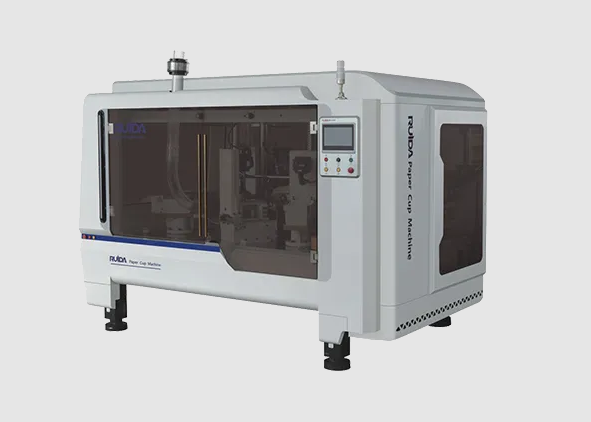
Innovation in die-forming and sealing technologies has fundamentally transformed the capabilities of modern paper bucket machines. Ruida has invested heavily in precision-engineered components that ensure superior structural integrity and aesthetic consistency. Unlike older systems that struggled with complex shapes or thicker paper grades, today's automated machines utilize programmable logic controllers (PLC) to manage high-precision gluing and folding. This technological leap allows for the production of varied container sizes while maintaining a perfect seal, which is critical for liquid containment and food storage. The reliance on advanced mechanical design ensures that every unit produced is sturdy enough to rival plastic alternatives without the associated environmental burden.
Optimizing High-Volume Throughput and Operational Costs
For manufacturers, the transition to paper-based alternatives often brings concerns regarding production speed and unit costs. However, modern automated machinery is specifically designed to eliminate these bottlenecks. High-speed paper bucket machines can operate continuously with minimal human intervention, effectively maintaining high throughput that competes directly with traditional plastic molding lines. By automating the feeding, forming, and stacking processes, manufacturers can reduce labor-intensive manual operations, thereby lowering the total cost of production per unit. Ruida equipment integrates modular production designs that empower factories to scale output rapidly, ensuring that businesses can meet large-scale demand without compromising on delivery timelines or operational budget stability.
Ensuring Food Safety and Material Integrity
In the packaging industry, technical expertise must extend beyond mechanical efficiency; it must also encompass material science and safety standards. Paper buckets intended for food use must meet strict international hygiene requirements, such as those mandated by ISO and various regional food contact regulations. Achieving this level of reliability requires high-quality paper stocks and specialized food-grade adhesives, both of which interact differently with forming machinery. Expertly tuned machines must balance heat and pressure to ensure that the structural adhesives do not compromise the food-safe coating of the paper. By providing equipment that handles these sensitive materials with extreme precision, Ruida helps manufacturers maintain rigorous safety standards that build consumer trust and protect the manufacturer’s brand reputation.
Building Long-Term Value Through Sustainable Infrastructure
Investing in paper bucket technology is a strategic move that pays dividends in brand equity and regulatory compliance. As governments continue to implement stricter bans on single-use plastics, businesses equipped to offer high-quality paper packaging will occupy a stronger market position. Furthermore, the recyclability of paper-based packaging offers a clear marketing advantage, allowing companies to appeal to the growing demographic of eco-conscious consumers. Beyond the environmental benefit, the reliability of modern infrastructure means that companies can reduce the hidden costs of waste and potential litigation related to environmental non-compliance. Integrating this technology is a proactive approach to future-proofing a manufacturing enterprise.
Comprehensive Manufacturing Solutions with Ruida
The success of any plastic-free transition relies not only on the machinery itself but on the partnership with a knowledgeable manufacturing provider. Ruida distinguishes itself in the global market by offering a holistic approach to packaging solutions, combining high-precision equipment with extensive supply chain insights. Beyond simply supplying machinery, Ruida provides the technical support, maintenance, and engineering consultation necessary to ensure long-term operational success. From custom machine configurations to comprehensive spare parts services, the goal is to empower manufacturers to transition seamlessly to sustainable production. Partnering with a proven industry leader ensures that the technical and commercial hurdles of the plastic-free revolution are managed with professional efficiency and long-term foresight.
Table of Contents
- The Shift Toward Sustainability: How Paper Bucket Machines Drive Plastic-Free Innovation
- Engineering Excellence in Modern Paper Bucket Production
- Optimizing High-Volume Throughput and Operational Costs
- Ensuring Food Safety and Material Integrity
- Building Long-Term Value Through Sustainable Infrastructure
- Comprehensive Manufacturing Solutions with Ruida