
 EN

Bucket Machine Applications in Packaging
In packaging, the term bucket machine needs a little context. A generic search can lead to construction or cleaning equipment, while food-packaging teams usually mean a machine that forms paper buckets, tubs, or similar round paper containers. For popcorn, fried snacks, confectionery, and selected dry-food applications, the right bucket machine helps turn a specified blank, substrate, and container shape into a consistent package that is ready for filling and downstream handling.
From a food-packaging application perspective, selection starts with the finished container rather than a headline speed claim. A bucket machine should be assessed against the bucket’s use, paper specification, rim and bottom construction, print layout, and the practical rhythm of the production line. That is especially important when evaluating paper popcorn bucket equipment, where visual branding and a consumer-friendly shape must coexist with stable forming.
What a bucket machine does in a packaging line
A packaging bucket machine converts prepared paperboard blanks into open-top paper containers. Depending on the design, the process may include blank feeding, side-seam forming, bottom forming, heating or sealing, rim curling, discharge, and collection. The machine is only one part of the result: blank quality, coating selection, tooling condition, operating settings, and handling after discharge all influence whether the finished bucket meets the intended application.
That distinction matters because “bucket” can describe more than one package. A cinema popcorn tub, a snack-service bucket, and a promotional paper container may look related but require different diameters, heights, graphics alignment, or material behavior. If the end use changes, the requirements for an automatic bucket machine may change as well.
Common packaging applications
Popcorn and concession packaging
The most familiar application for paper popcorn bucket equipment is popcorn service in cinemas, event venues, concession counters, and mobile food operations. These packages often need a broad opening for easy serving, enough body stiffness for carrying, and clear printed areas for branding. Before selecting a bucket machine, define the target fill, the finished dimensions, and whether the package will be handled individually or stacked and packed in quantity.
Dry snacks and takeaway service
Paper buckets can also be used for dry snacks, fried foods, sweets, and other takeaway formats where a tall or round container improves presentation. The key question is not simply whether the machine can make a bucket. It is whether the chosen paperboard, coating, adhesive or thermal-sealing method, and final construction are appropriate for the product and its contact conditions. Where food contact is involved, the material system should be reviewed against the applicable market requirements; machine capability alone does not establish compliance.
Promotional and branded food containers
Seasonal campaigns, sports venues, and themed events may use custom graphics to turn a disposable container into a brand touchpoint. In this case, a bucket machine must support the practical needs of the printed blank. Artwork registration, seam placement, color coverage near folds, and curl areas should be discussed before production. A strong visual design is useful only if it remains readable after forming.
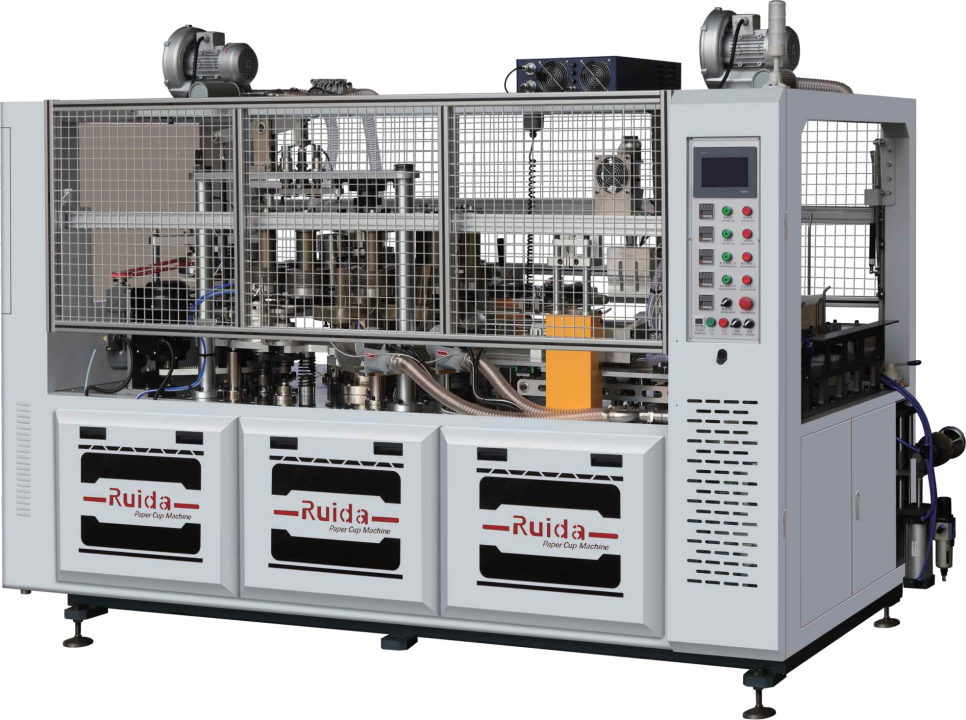 Paper bucket forming should be evaluated against the final package, material, and downstream handling requirements.
Match the machine to the package, not the other way around
A useful selection process starts with a sample or drawing of the intended container. Then document the requirements that directly affect the bucket machine:
- Container geometry: top diameter, bottom diameter, height, taper, rim style, and base design.
- Material: paperboard grade, thickness, coating, print treatment, and stiffness characteristics.
- Product conditions: dry, oily, warm, or moisture-sensitive contents, plus expected filling and holding conditions.
- Output plan: target production rhythm, shift pattern, changeover frequency, and downstream packing method.
- Quality criteria: seam appearance, bottom integrity, rim uniformity, graphic alignment, and stackability.
In other words, move from a single-machine view to the rhythm of the whole line. A high nominal output is not automatically the right result if frequent size changes, blank variation, or manual collection create bottlenecks later. If your line will run several bucket sizes, ask how tooling changes are performed and what conditions must be rechecked after a changeover.
Why material compatibility deserves early attention
Material compatibility is often where packaging decisions become more specific. The same automatic bucket machine concept may need different setup work for different paperboard weights, coatings, or blank profiles. Rather than assuming one configuration is universally suitable, confirm how the proposed process handles the actual production material. Sample trials, agreed acceptance criteria, and a documented operating range are more useful than broad claims about versatility.
For food-facing packages, the compliance conversation should also be precise. For example, U.S. rules include provisions for paper and paperboard components used in contact with aqueous and fatty foods, but the relevant material and finished-package conditions must be checked for the intended application. Treat this as a material-and-market verification task with qualified parties, not as a generic promise attached to the equipment.
Plan the line around forming, handling, and inspection
A bucket machine is easier to run consistently when operators can feed suitable blanks consistently, observe the critical forming areas, and remove or pack finished buckets without disruption. Consider the space for blank storage, discharge collection, visual inspection, reject handling, and transfer to packing. Clear operating instructions also help: operators should know which symptoms point to blank quality, tooling wear, heating conditions, or setup alignment rather than treating every defect as a machine fault.
For paper popcorn bucket equipment, it is sensible to evaluate finished samples for shape consistency, seam and base appearance, rim quality, print placement, and stacking behavior. More accurately, not every issue originates with the equipment; the paper blank, material batch, and operating method also deserve review.
A practical supplier discussion checklist
When requesting information about a bucket machine, provide the supplier with more than a target size. Share drawings or samples, material details, use conditions, desired output, and any changeover expectations. Ask what must be verified during a trial, which parts are size-specific, what routine maintenance is expected, and how acceptance will be defined. For export projects, clarify documentation, installation responsibilities, training scope, spare-parts planning, and communication milestones before delivery.
ZheJiang RUIDA Machinery focuses on paper-cup and food-packaging equipment. For a packaging project, the most productive next step is a technical discussion built around the real bucket sample and operating conditions. That gives both sides a clearer basis for determining whether a proposed automatic bucket machine configuration fits the application.
Conclusion
Bucket machine applications in packaging extend beyond one snack format. They include popcorn service, takeaway presentations, and branded paper-container programs, but each application relies on a deliberate match between container design, material behavior, forming process, and line handling. Start with the package requirements, verify the material and acceptance conditions, and then evaluate the bucket machine as part of a complete production workflow.
 ONLINE