
 EN
EN

How Mills Benefit From Paper Converting Machine?
For a mill, making paper is only part of the value chain. Customers often need material in a usable format: a slit roll, a sheet, a printed web, or a formed package component. A paper converting machine helps bridge that gap by turning parent rolls or paperboard into formats that suit a defined downstream job. The benefit is not simply “more speed.” It is a clearer connection between what the mill produces and what a packaging, food-service, printing, or distribution customer can actually use.
From a packaging-equipment selection perspective, the useful question is not whether every mill needs the same paper converting machine. It is whether the machine’s web handling, tooling, controls, and changeover process fit the grades, widths, order mix, and production rhythm of that mill. When those conditions align, conversion can make material flow easier to manage and create more options for serving downstream markets.
1. A Paper Converting Machine Moves Mill Output Closer to Market-Ready Formats
Paper converting is the stage that changes paper or paperboard into an application-specific format. Depending on the process, that may mean cutting, slitting, rewinding, printing, coating, folding, forming, or combining material with another component. In practical terms, a paper converting machine can help a mill supply material in forms that are easier for the next operation to handle.
This matters because customers may buy a parent roll as an input, while others need a further-converted format. A converter may need a controlled roll width, a sheet size, a printed surface, or a blank prepared for later forming. A mill that understands these handoffs can plan production around the requirements of real applications instead of treating conversion as an afterthought.
For example, a paper container converting machine workflow may require the paperboard, coating behavior, print registration, and forming sequence to work together. The machine does not remove the need for material testing. It gives the mill a structured point at which material and application requirements can be checked before larger production commitments are made.
2. It Can Improve Material-Use Decisions and Waste Visibility
Material efficiency is a useful operational goal because unused trim, rejected pieces, and avoidable setup loss all consume valuable fiber, coating, energy, and labor. A paper converting machine does not automatically eliminate waste. However, it can make waste easier to observe and address when the workflow records where it occurs: at roll preparation, web guiding, cutting, forming, inspection, or changeover.
The important shift is from asking only, “What is the machine’s rated output?” to asking, “At which point does this job lose usable material?” That distinction is especially relevant when grades, widths, or packaging designs change frequently. If a mill captures job settings, material conditions, and reasons for rejects, it can identify patterns without assuming that every quality issue comes from the equipment.
In a paper packaging converting machine operation, a repeatable setup also supports better communication between papermaking, converting, quality, and planning teams. They can compare the incoming material condition with the actual downstream behavior and decide what needs to be adjusted for the next run.
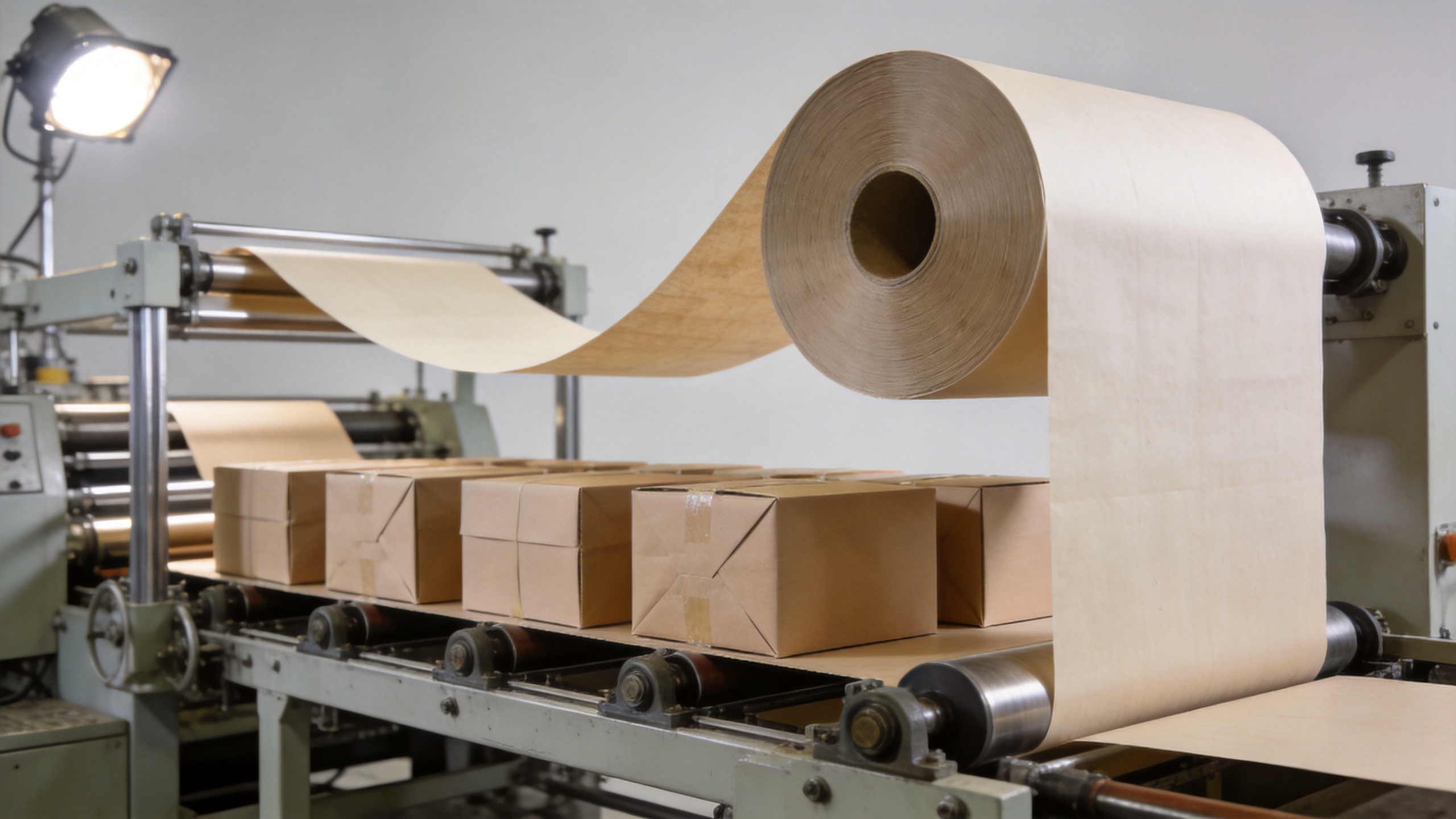
3. Changeovers Become a Manageable Production Task
Changeovers deserve attention because they can involve changing rolls, tooling, guides, settings, and work instructions. A mill with a mixed order book may value predictable changeovers as much as headline running speed. A well-matched paper converting machine gives teams a defined workflow for preparing the next job, checking the first pieces, and documenting the settings that worked.
That does not mean every job should be rushed. In fact, when a new grade, format, or customer requirement is involved, slowing down to confirm the material path may prevent a longer interruption later. The most useful evaluation is often a simple one: how many decisions must operators make during a change, and which of those decisions can be standardized or verified in advance?
- Confirm the required finished format, tolerance, and downstream use.
- Check material width, thickness, surface condition, and any coating or print requirements.
- Define the first-off inspection criteria before the job begins.
- Record the settings and exceptions so the next comparable run starts with better information.
4. Mills Can Support More Responsive Packaging and Container Programs
Markets for food service, retail, and protective packaging often require paper in specific shapes and formats. That is where a paper container converting machine or related line can create a closer link between mill output and a customer’s final-use requirement. The opportunity is not to make broad promises about every package type. It is to review whether the material and converting process are compatible with the planned application.
For a paper packaging converting machine project, compatibility can include how the sheet or web behaves during transport, cutting, printing, folding, sealing, or forming. It can also include the practical requirements around quality checks, operator access, maintenance, and acceptance criteria. Bringing those questions forward helps avoid a situation in which a mill grade looks suitable on paper but requires unplanned intervention in conversion.
This approach can be useful for mills exploring value-added formats alongside their existing supply business. Rather than committing to an overly broad capability claim, they can begin with a defined product family, material range, and verification plan.
5. Better Process Information Supports Quality and Maintenance Planning
A converting line creates useful operating information when teams decide in advance what to track. Typical records can include material identifiers, setup conditions, inspection observations, rejected-format categories, and maintenance actions. Used carefully, that information helps distinguish a one-off disturbance from a recurring production issue.
For mills, the benefit is a stronger feedback loop. If downstream teams repeatedly report a handling or forming difficulty, the response can involve the paper grade, the conversion settings, the process sequence, or operator procedures. A paper converting machine is valuable here because it gives the organization a consistent place to test and document these interactions.
Maintenance belongs in the same conversation. Access to routine inspection points, a clear cleaning routine, and a realistic spare-parts plan can affect whether a line remains dependable over time. Automation may reduce some manual tasks, but it does not remove the need for trained operators or planned upkeep.
6. How to Evaluate the Business Case Without Overstating It
The business case for a paper converting machine should be built around a mill’s actual demand pattern rather than a generic capacity promise. Start with the target formats and customers. Then map the material conditions, run lengths, changeover frequency, quality controls, labor skills, maintenance support, and downstream handoffs required to deliver them.
| Evaluation area | Questions for the mill | Why it matters |
|---|---|---|
| Product mix | Which rolls, sheets, containers, or packaging components are priorities? | Defines the conversion route and tooling needs. |
| Material fit | What widths, grades, thicknesses, coatings, and surface conditions will run? | Prevents a general machine choice from being treated as proof of application compatibility. |
| Order rhythm | How often will formats change, and what must be checked at each changeover? | Shows whether flexibility and repeatability matter more than top speed. |
| Quality plan | What first-off and in-process checks define an acceptable output? | Makes acceptance criteria visible before full production. |
| Lifecycle support | Who will operate, inspect, clean, and maintain the line? | Connects capital planning with reliable daily use. |
Conclusion: Conversion Adds Value When It Fits the Mill’s Workflow
A paper converting machine can help mills move from supplying a base material to supporting a more application-ready product flow. Its strongest benefits usually come from better format control, clearer material-use decisions, more disciplined changeovers, and useful feedback from downstream operations. For container and packaging opportunities, the right next step is to define the target format, confirm material compatibility, and agree on the checks that will show whether the process is working as intended.
That disciplined approach is more valuable than choosing equipment on speed or price alone. When the material, process, and support plan are aligned, a converting investment can become a practical way to serve changing customer requirements while improving the visibility of everyday production decisions.
 ONLINE