
 EN

How to Select Paper Machinery for Plants
Choosing paper machinery for a plant is a production-system decision, not a nameplate-speed contest. The right paper machinery must suit the product mix, material conditions, utilities, operators, safety controls, and downstream handling. A useful buying process begins with a written operating brief and ends with acceptance criteria that can be tested during commissioning.
That discipline matters when a line includes converting equipment such as a glue machine for paper. The main paper machinery may be fast, but plant output will still suffer if gluing, drying, slitting, packing, or reel handling cannot match its rhythm. Evaluate each paper machinery proposal as part of the complete line.
1. Define the Required Product Before Comparing Paper Machinery
Write down the grade or converted product, basis-weight range, web width, target roll or sheet size, coating or adhesive needs, and expected changeover frequency. Record whether the proposed paper machinery will process virgin fibre, recycled fibre, purchased paper, or a combination. Material variability changes the configuration required for forming, drying, converting, and finishing.
Define saleable output rather than saying only “high capacity.” The paper machinery brief should distinguish nominal speed from usable production and identify the sizes, grades, and run lengths expected in a normal month. If small runs and frequent changes are important, flexible paper machinery can be more appropriate than a line optimized only for long campaigns.
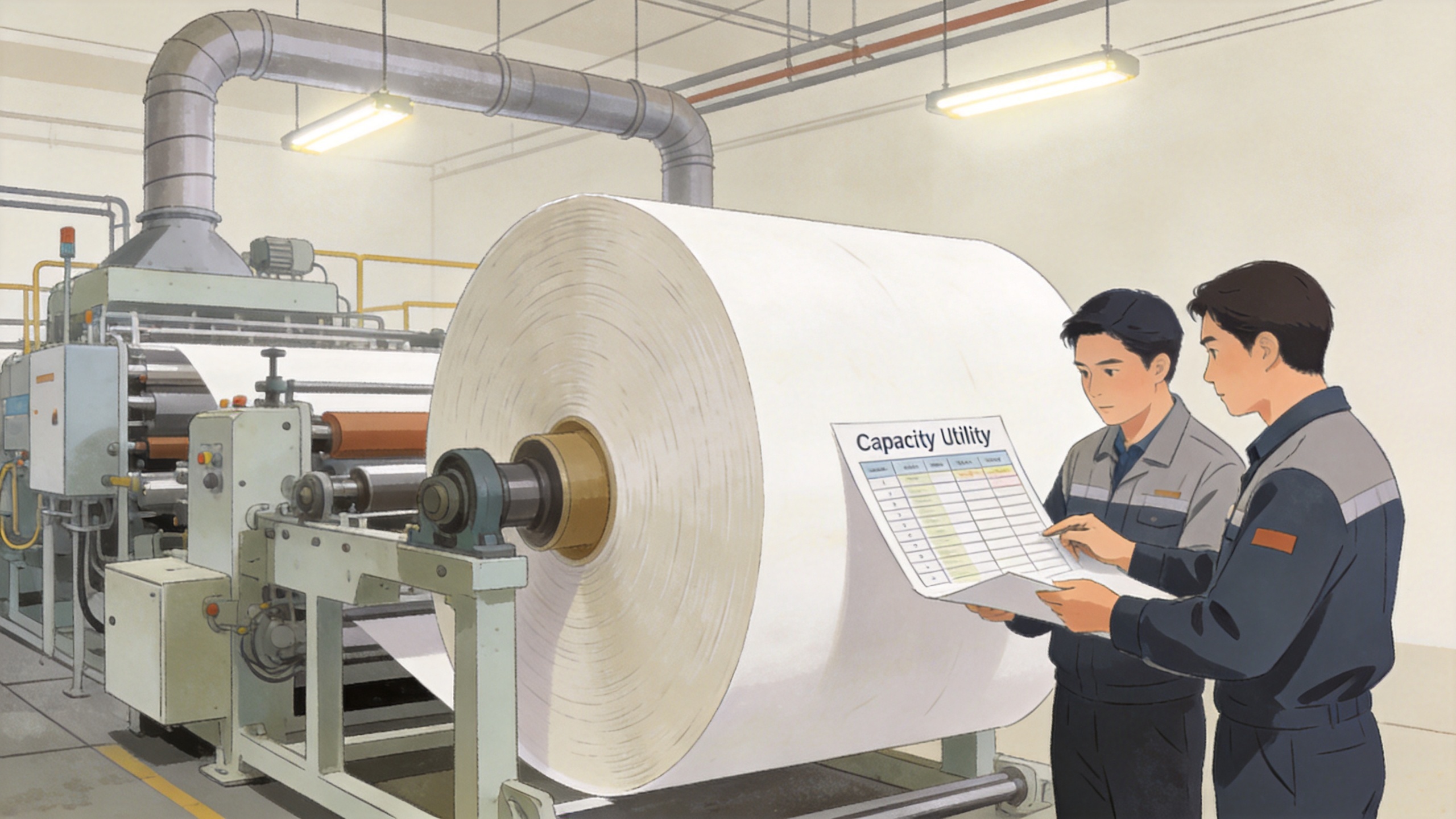
2. Calculate Capacity as a Line, Not a Single Machine
Size paper machinery from demand, available operating hours, planned downtime, yield expectations, and the slowest connected operation. Map material flow from incoming stock through preparation, production or converting, inspection, winding, packing, and dispatch. The selected paper machinery needs compatible buffers and handling at every transfer point.
- What saleable output must the paper machinery line deliver per shift, week, and month?
- Which operation constrains the paper machinery line at the planned product mix?
- How do cleaning, reel changes, and maintenance reduce available paper machinery time?
- Can packing and warehousing absorb output from the paper machinery line?
This plant-wide view exposes bottlenecks that a standalone speed figure cannot. It also makes each supplier explain how its paper machinery connects to upstream and downstream operations.
3. Verify Material Fit and Utilities
Ask the supplier to state the material conditions assumed for its paper machinery: moisture variation, caliper, coatings, recycled content, and adhesive behaviour. A glue machine for paper review should cover adhesive type, application method, viscosity, open time, drying conditions, cleaning, and substrate absorbency. Use representative materials for trials and document the test conditions.
Then review power, compressed air, water, steam, vacuum, drainage, ventilation, floor loading, service clearance, and access routes. Plant planning commonly starts with grade and capacity, then checks site, water, power, fibre, and logistics. These are operating conditions for paper machinery, not late installation details. Include waste, broke, finished-goods movement, and safe pedestrian separation in the layout.
4. Choose Automation for Repeatability, Not for Its Own Sake
Automation should improve repeatability, visibility, safety, or changeover control for the way the plant will use its paper machinery. Ask what the controls monitor, which adjustments are automatic, how alarms are prioritized, and what records can be exported. Recipe management may be valuable for many grades or sizes; a simpler interface may be better for a stable mix and a small maintenance team.
For every paper machinery option, identify the training, spare parts, commissioning help, and fault-diagnosis support that come with it. A paper machine company should clearly define who supports controls, installation, and service after handover. Compare that support process, not just a service statement in the quotation.
5. Treat Safety and Maintainability as Technical Requirements
Safety belongs in the paper machinery specification. Qualified plant and safety personnel should confirm the local rules that apply. In the United States, OSHA requirements for pulp, paper, and paperboard mills include examples involving rapid emergency stopping devices, guarding for exposed rotating shafts, and guarding for slitter knives. Those examples do not replace a site assessment, but they show why guards, access, lockout procedures, and emergency response need to be reviewed before purchase.
Also ask how the paper machinery will be inspected, lubricated, cleaned, and repaired. Confirm wear parts, change-part procedures, specialist tools, and service access. Maintainability protects output because a machine cannot deliver value while it is difficult to restore.
6. Compare Total Cost and Acceptance Conditions
Compare paper machinery proposals on one common scope: installation, utilities, tooling, commissioning, training, recommended spares, consumables, energy needs, maintenance work, and response support. Do not turn unverified supplier claims into savings figures. Instead, ask each paper machine company to state the assumptions behind its proposal and what must be demonstrated at commissioning.
| Review area | Paper machinery question |
|---|---|
| Process fit | Does the paper machinery fit the product and material range? |
| Line balance | Can the paper machinery line maintain flow through handling and packing? |
| Utilities | Can the plant support this paper machinery safely? |
| Supplier support | Can the paper machine company define parts, training, and commissioning support? |
| Converting | Does the glue machine for paper match the adhesive and substrate conditions? |
Put the acceptance boundary in writing: materials, operating conditions, quality checks, output method, training, documents, and the response if a test fails. Select paper machinery that makes the required product safely and repeatably under documented conditions. Speed then becomes one verified factor in a complete business case.
7. Prepare the Plant Team for the Decision
Before final approval, hold one cross-functional review with production, maintenance, quality, utilities, safety, finance, and procurement. Give each group the same operating brief and ask them to identify conditions that the proposal assumes but does not include. Production can challenge staffing and changeover assumptions; maintenance can review access and spares; utilities can confirm connection capacity; and quality can define the inspection points needed during trials. This meeting often finds scope gaps early, when they are still manageable.
Request a documented list of exclusions and interfaces as well. It should show responsibility for foundations, cable runs, piping, extraction, conveying, guarding, controls integration, consumables, and operator training. Where an interface is owned by the plant, assign a named owner and a due date. Where it is owned by the supplier, describe the information, drawings, and approvals needed before shipment. Clear interfaces make delivery planning more reliable and give the commissioning team a stronger starting point.
Finally, use the requirements matrix as a living project document. Update it when a trial reveals a material condition, when the building survey changes an access assumption, or when the expected product mix changes. A disciplined record does not slow a purchase decision; it helps the team distinguish a necessary adjustment from an unsupported sales claim and creates a practical reference for handover.
 ONLINE