
 EN
EN

New Market Directions for Cup Machine Manufacturing Field
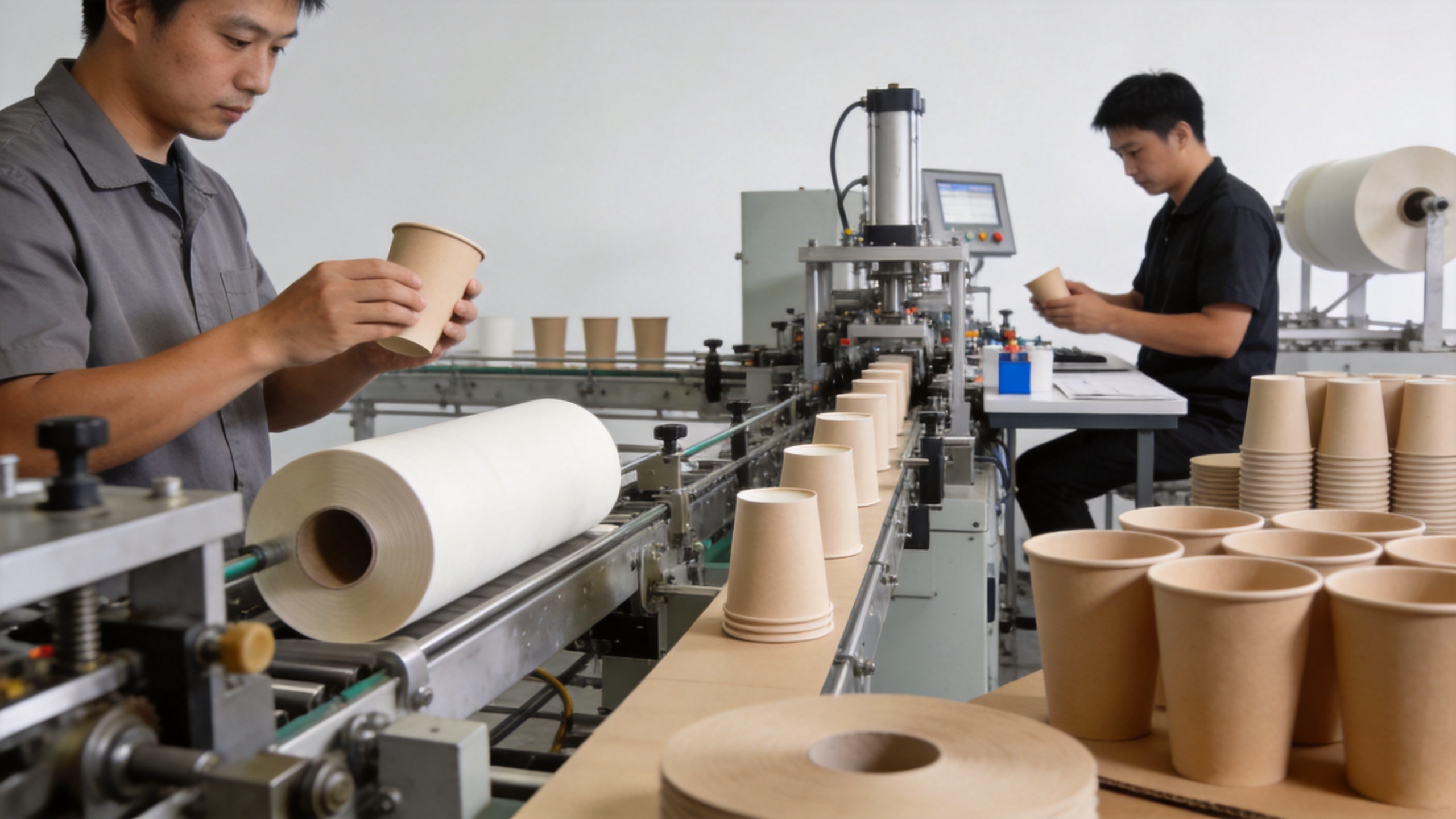
For cup manufacturers, the next market direction is less about chasing a headline speed figure and more about building a production system that can cope with changing materials, shorter order runs, and more demanding decoration requirements. As a packaging equipment adviser, I would start with the operating question behind every cup machine investment: which cup formats, substrates, and downstream processes must remain stable when the order mix changes?
Search results for a cup machine mix paper-cup forming lines with coffee-cup filling and sealing equipment. That distinction matters. A forming line, a filling line, and a printing cell solve different problems. Manufacturers that define the boundary first can evaluate automation, tooling, and quality controls with far less ambiguity.
Market direction 1: flexibility is becoming a manufacturing requirement
Buyers increasingly ask for more than one cup size, material construction, or branded design. This does not make every factory a high-mix factory, but it does make changeover planning more important. Before comparing cycle rates, map the full line rhythm: blank preparation, forming, inspection, collection, printing where needed, packing, and the time required to switch from one approved configuration to another.
A cup machine should therefore be reviewed as part of a workflow rather than as an isolated asset. Ask what must change for a new diameter, height, bottom profile, paper grade, or coating. Then ask who makes those changes, what tools are involved, and how the first acceptable cup is verified. The highest stated output is not automatically the suitable fit if frequent changes interrupt the actual schedule.
Market direction 2: sustainable materials add validation work
Material choices are moving alongside sustainability and food-contact expectations. Market reporting points to continued interest in paper-based and alternative barrier solutions, while regulatory requirements vary by destination market. For example, searches around European packaging rules highlight a PFAS-related restriction date in 2026; manufacturers should verify the rule, product scope, test method, and customer documentation requirements with appropriate specialists before making any compliance claim.
For a cup machine operation, the practical implication is simple: do not assume a new board or coating will run like the material it replaces. Set up trials that record forming behavior, seam consistency, rim quality, stiffness after use conditions, and reject patterns. Put the acceptance criteria in writing before the trial. This prevents a material conversation from turning into a vague machine-performance dispute later.
Market direction 3: decoration is moving closer to the production decision
Brand owners often want smaller branded runs, seasonal graphics, or differentiated coffee-service packaging. That places the printing workflow closer to the original equipment decision. A cup screen printing machine can be relevant where the print process, ink system, fixture design, and drying step suit the cup geometry and production volume. It is not a substitute for cup forming equipment, so the handoff between the two processes deserves its own review.
When evaluating a cup screen printing machine, confirm the approved cup range, registration expectations, surface preparation, changeover sequence, inspection point, and how printed cups are protected before packing. A line can be mechanically productive and still lose time if decoration rejects are discovered only after a large batch has moved downstream.
A coffee cup printing machine should be assessed with the same discipline. Clarify whether its role is short-run personalization, a recurring branded program, or a dedicated format. The right question is not whether a coffee cup printing machine looks automated; it is whether its actual output, cure or dry time, operator tasks, and quality checks match the forming line’s release schedule.
Market direction 4: evidence-based automation beats feature lists
Automation is becoming more useful when it reduces repeatable sources of variation, makes exceptions visible, and gives operators a clear response path. It is less useful when features are added without a plan for training, cleaning, parts, and fault recovery. A capable cup machine project should define what data or observations the team needs at each control point: material lot, tooling state, start-up checks, rejects, rework, and release approval.
- Start-up: confirm the material, tooling, settings range, and first-piece criteria.
- During the run: log the defect category and point of discovery rather than only the final reject count.
- At changeover: measure the actions and verification steps, not just the time on the schedule.
- Before shipment: align pack-out protection with the formed and printed cup’s actual vulnerability.
This operating view helps teams distinguish an attractive feature list from an automation plan that can be maintained in daily production.
A decision checklist for the next cup machine investment
The most useful purchasing conversation is usually a structured one. Whether the project involves forming, filling, or decoration, use the same sequence to prevent gaps:
- Define the cup family. List dimensions, material constructions, intended contents, and destination-market requirements.
- Describe the order pattern. State expected run sizes, changeover frequency, seasonal variation, and whether printed programs are recurring or occasional.
- Trace the handoffs. Identify where formed cups move to inspection, a cup screen printing machine, a coffee cup printing machine, filling, or packing.
- Set trial criteria early. Include appearance, seam and rim checks, reject definitions, documentation, and the responsible reviewer.
- Plan the support path. Discuss operator training, spare parts, routine cleaning, fault escalation, and the evidence needed at acceptance.
What a resilient manufacturing plan looks like
New market directions reward factories that can make deliberate choices rather than react to every trend. A resilient plan may use a focused cup machine configuration for a stable cup family, reserve time for material validation, and connect printing only where the commercial program justifies the extra control points. If the material and cup geometry are already confirmed, that judgment is far more useful than a generic promise of flexibility.
In short, treat the cup machine as one part of an evidence-led production system. Validate the material, document the changeover, define the interface with printing, and make release criteria visible. Those actions give manufacturers a practical way to respond to market change without making unverified claims about capacity, compliance, or cost.
 ONLINE