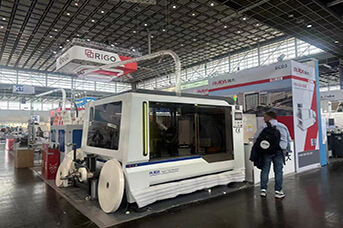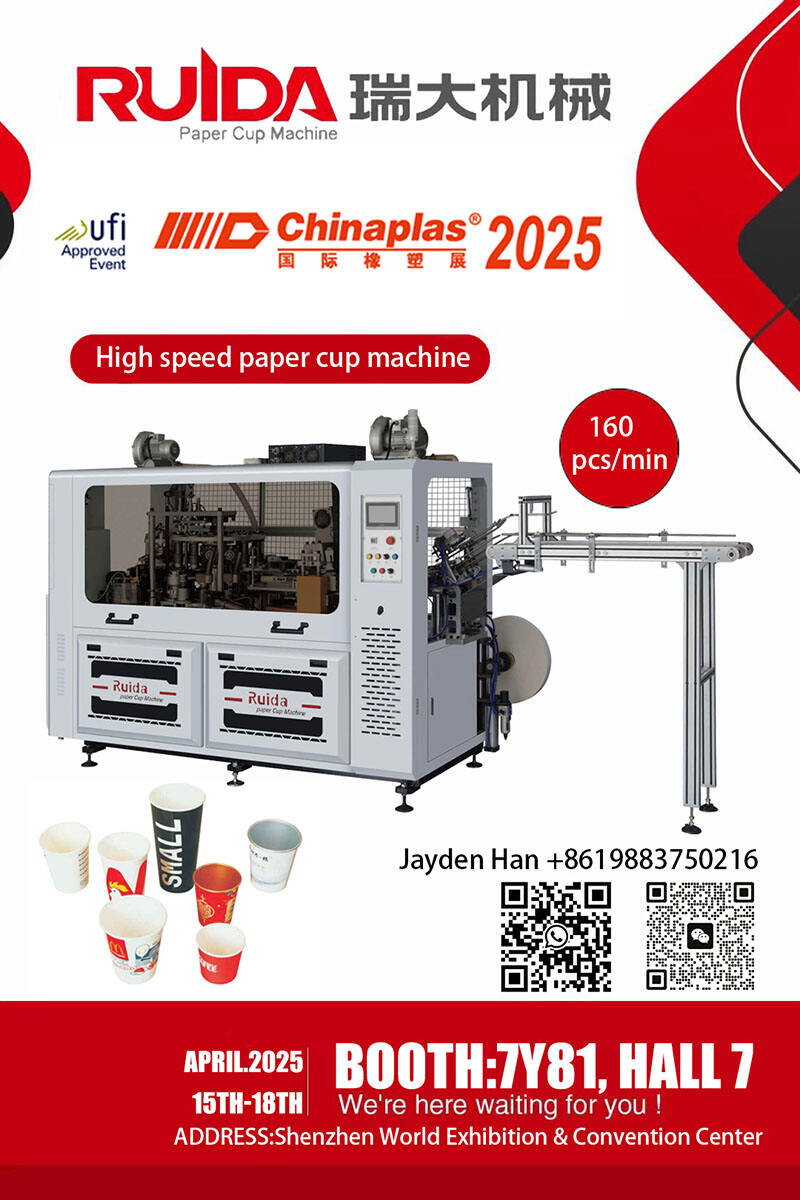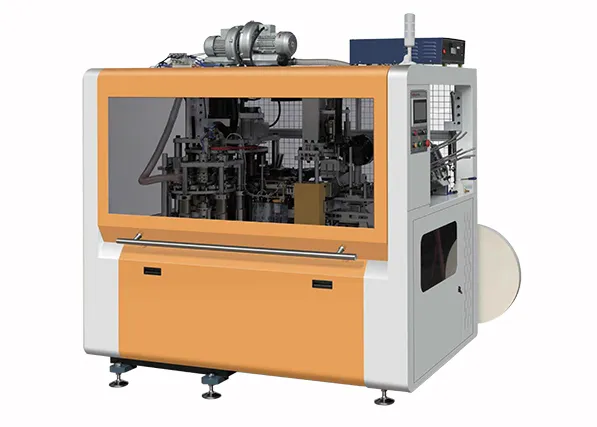

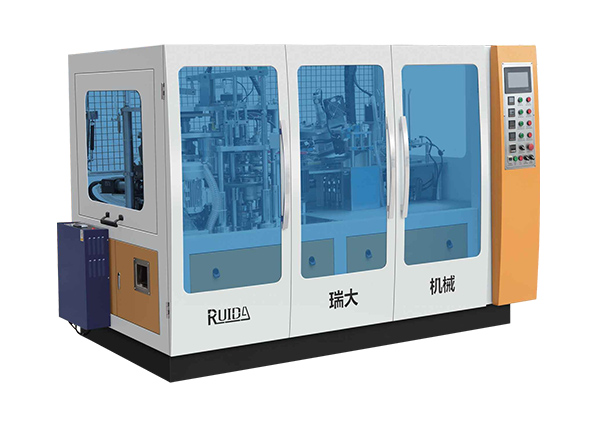
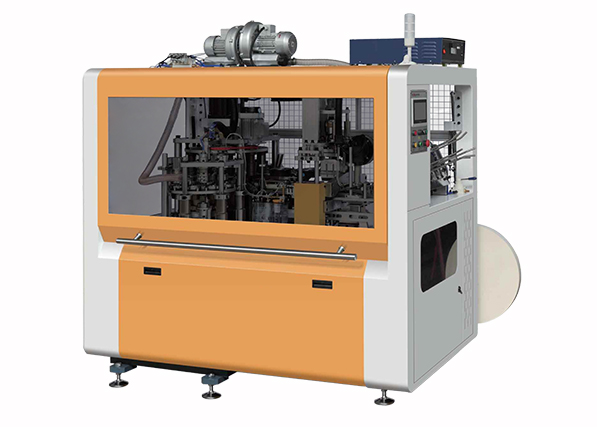
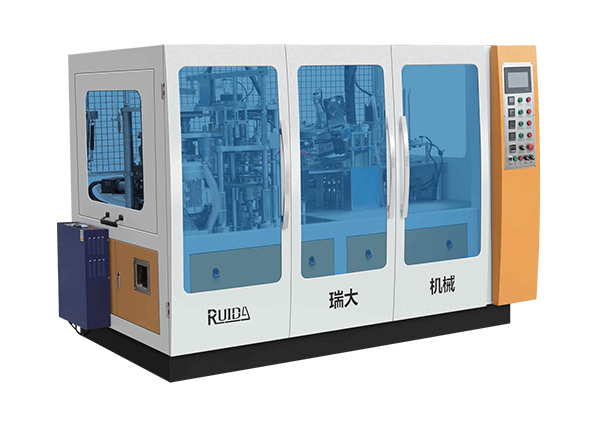
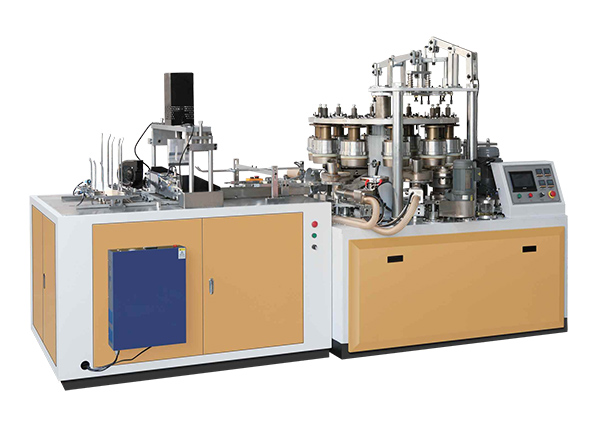
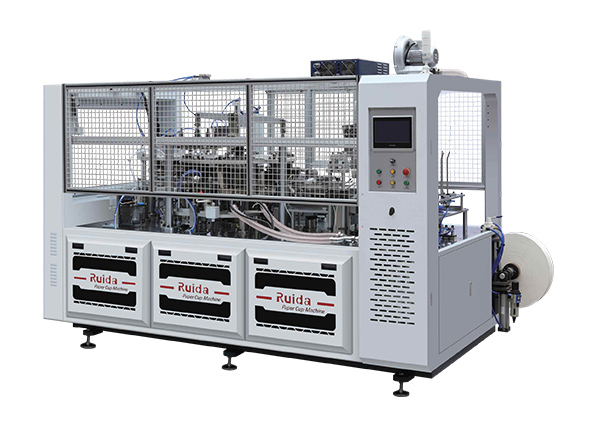
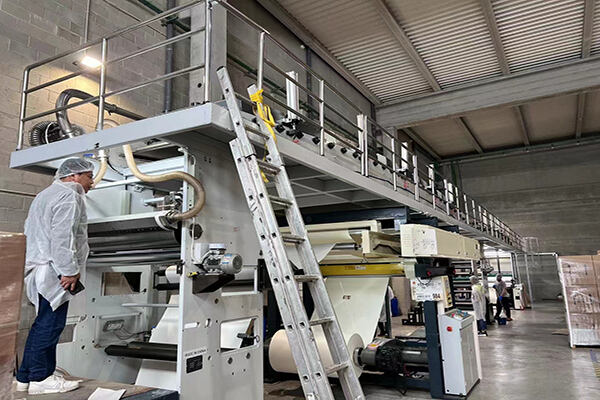
In the modern food packaging industry, lunchbox manufacturing machinery has become a core driver of efficiency, environmental sustainability, and innovation. This highly automated equipment integrates precision engineering to consistently produce thousands of uniformly sized, structurally robust lunchbox containers per hour. It significantly reduces reliance on manual labor in traditional production methods while markedly enhancing production line output efficiency and cost-effectiveness. Simultaneously, these machines strictly adhere to international food safety standards, utilizing food-grade polypropylene (PP) and biodegradable CPLA materials. This ensures packaging hygiene and safety while providing critical technological support for global sustainable packaging initiatives.
Their significance further extends to robust customization capabilities: through rapid mold changes, manufacturers can flexibly produce lunch boxes in various sizes, compartmentalized designs, and with branded logos, meeting diverse market demands for personalization and functionality. From a broader perspective, localized lunchbox manufacturing strengthens supply chain resilience by reducing reliance on imported packaging, thereby enhancing regional economic stability and competitiveness.
In summary, lunchbox manufacturing machinery transcends mere production tools. It serves as a strategic asset for enterprises to enhance market adaptability, fulfill environmental responsibilities, and build long-term competitiveness. This represents a pivotal development direction for the packaging industry's transition toward automation, greener practices, and higher value-added solutions.