
 EN
EN
Paper Bowl Machine: Boosting Output Efficiency and Cutting Per-Unit Production Costs
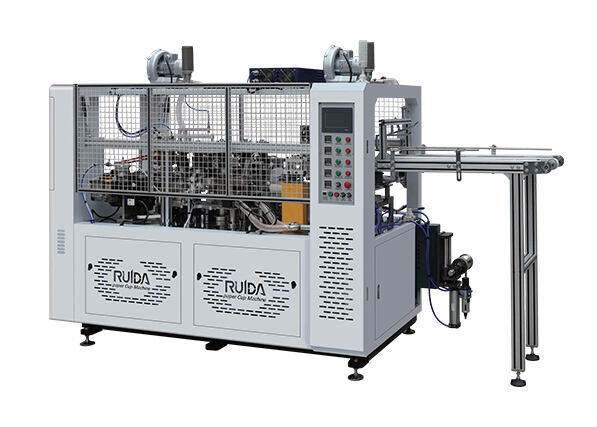
How High-Speed Paper Bowl Machines Cut Cycle Time and Boost Throughput
High speed paper bowl machines cut down on production time by automating the whole process from forming to rim curling and stacking, running anywhere between 80 to maybe even 120 cycles each minute. The continuous motion tech basically gets rid of all those wasted moments when stations sit idle, something that really slows down older manual or semi automatic systems. Plants using these machines usually see their hourly output jump by about 40 to 60 percent compared to traditional approaches. And this boost in production means lower costs per item too. Energy bills, maintenance expenses, and equipment depreciation get spread out over many more products. Plus there's less room for mistakes made by humans, so the quality stays pretty consistent throughout the batch.
Case Study: ZheJiang RUIDA’s Automation Model Achieving 35% Lower Cost per 1,000 Units
A factory in Zhejiang recently installed RUIDA's semi automated paper bowl machines with features like servo controlled feeding systems and built in optical quality inspection technology. These changes helped them slash direct labor costs by almost half while boosting their daily production capacity by around 7,000 units. The precision sensors made a real difference too, cutting down on wasted paper materials by 18 percent and reducing adhesive consumption by nearly a quarter. Looking at the bottom line, production costs dropped significantly over just eight months time, going from $14.20 per thousand units down to $9.23. Management got their money back within 11 months, which shows how automation can transform manufacturing economics when it comes to maintaining consistent efficiency and minimizing material waste across operations.
Labor Optimization and Reduced Operational Overhead
Cutting Direct Labor Costs by 40–60% with Semi-Automated Paper Bowl Machine Integration
Making paper bowls by hand needs several workers doing all sorts of things like shaping them, applying glue, and stacking finished products. Labor costs end up being the biggest expense that companies can actually control. When businesses switch to semi automatic equipment, those same repetitive jobs get done with much greater accuracy thanks to servos controlling everything. One person can now watch over three to five machines at once without breaking a sweat. Looking across the industry, most manufacturers report seeing around 40 to 60 percent fewer people needed for direct work on the line. Workers who used to spend their days putting bowls together are now spending time managing operations or handling technical issues instead.
Automation further reduces operational overhead by:
- Minimizing misaligned seals and adhesive overuse via computer-guided alignment
- Accelerating cross-training—machine oversight is mastered faster than manual techniques
- Balancing workflows with real-time sensor feedback to prevent idle time during material changes
When automation takes over routine tasks, workers can focus on what really matters: keeping equipment running smoothly, finding ways to make processes better, and constantly looking for improvements. At one manufacturing plant, about two thirds of the old assembly line staff got moved into tech upgrade roles after the new systems were installed. This change cut down on payroll expenses, saved money on training programs, reduced mistakes from tired workers, and lowered how often they had to hire new people. What we end up with is a workforce structure that grows with the company needs while staying within budget constraints over time.
Precision Material Usage and Waste Reduction in Paper Bowl Manufacturing
Tight Tolerances and Servo-Controlled Feeding Minimize Paper and Adhesive Waste
Getting precision right matters a lot when it comes to using materials efficiently. Modern machines with servo controls can manage paperboard and glue application down to about half a millimeter accuracy. This stops problems like too much paper being used, things getting out of line, or products deforming even when running at full speed. Switching from old fashioned manual methods saves around 12 to 18 percent in paper waste and cuts adhesive usage by roughly 15 to 22 percent. The walls stay consistently thick and strong throughout production without slowing things down. Companies typically see their annual material costs drop between 20 and 30 percent, which obviously helps bottom lines. Less waste means lower disposal bills too, and that helps meet green targets while preserving valuable fibers for future use instead of just throwing them away.
Extended Uptime and Predictable Long-Term Operating Costs
Smart Diagnostics and Modular Design Lower Maintenance Frequency and Downtime
Smart diagnostic systems keep an eye on things like temperature changes, vibrations, and pressure levels in those key parts of machinery, catching problems way before they actually break down. Paper bowl makers know all too well what happens when machines stop working unexpectedly - the Ponemon Institute says it costs them around $740k every year just from these surprises. With predictive maintenance in place, companies can avoid those costly shutdowns and get about 20 to 40 percent more life out of their equipment simply by fixing issues early on according to data from OXMAINT. Plus, maintenance gets done when production isn't running anyway, so there's no real interruption to manufacturing schedules.
The modular approach really works with this smart system. Techs can swap out those worn out parts like servo motors, cutting heads, or forming dies in just half an hour now. That's actually about 40 percent faster than what used to happen with older integrated systems back in the day. The best part? There's no need to take apart neighboring modules when doing replacements. This cuts down on how many spare parts companies need to keep around, which saves money and keeps production running smoothly without interruptions. All these improvements transform regular maintenance from something that costs money into a valuable asset for reliability. Most factories report keeping their machines up and running over 90 percent of the time thanks to these changes across different production lines.
Strong ROI and Sustainable Cost Discipline Through Paper Bowl Machine Adoption
When businesses switch to modern paper bowl machines, they usually see their investment pay off pretty quickly, often within just over two years. There are basically three main reasons why this happens. First, there's a big cut in labor costs, somewhere around 40 to 60 percent less staff needed. Second, these machines waste way less paper, maybe as much as 30 percent less overall. And third, they run almost nonstop without breakdowns. All these improvements help keep operating costs steady, which means companies can maintain healthy profit margins of about 15 to 25 percent even when markets get shaky. The machines themselves are built with precision that makes everything predictable. Not only do they produce consistent volumes, but they also use materials efficiently and require fewer repairs. This kind of reliability gives companies room to reinvest their savings. Many choose to put money back into research for things like compostable materials, eco-friendly glues, or smart systems that optimize production lines. What starts as cost savings turns into ongoing improvements in both environmental impact and market position.
FAQ
What are the main benefits of using high-speed paper bowl machines?
High-speed paper bowl machines offer reduced production time, lower per-unit costs, increased throughput, and consistent product quality due to automation and reduced human error.
How does automation help in reducing labor costs?
Automation allows repetitive tasks to be performed more efficiently with fewer workers. One person can oversee multiple machines, reducing the need for direct labor by 40-60% on the production line.
How do modern machines minimize material waste?
Modern machines with servo controls allow precise management of materials, reducing paper waste by 12-18% and adhesive use by 15-22%, leading to lower material costs and conservation of resources.
What role does predictive maintenance play in paper bowl manufacturing?
Predictive maintenance helps identify potential machinery issues before they lead to breakdowns, reducing downtime and operating costs by enabling timely repairs and extending equipment lifespan.
Why should companies invest in modern paper bowl machines?
Companies should invest in modern paper bowl machines for improved efficiency, reduced costs, consistent product quality, and a favorable ROI by lowering labor and material costs while maintaining high production reliability.