
 EN
EN
Boosting Production Efficiency with High-Speed Paper Bowl Machine Automation
How Servo-Driven Automation Accelerates Output Without Compromising Precision
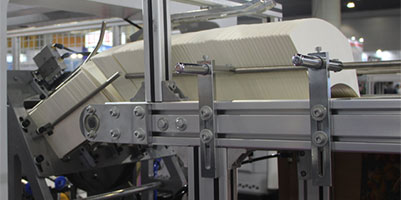
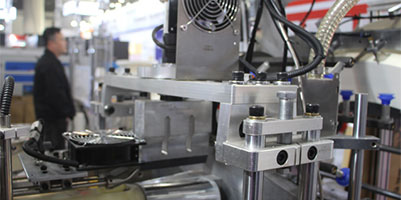
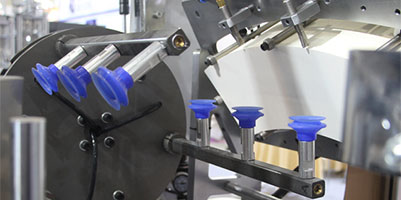
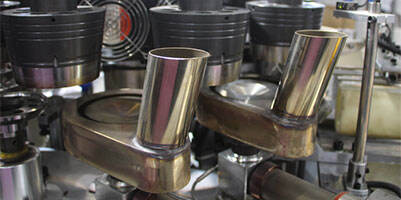
Today's paper bowl manufacturing equipment relies on servo driven automation to crank out bowls at impressive speeds, sometimes exceeding 200 units per minute while still keeping dimensions accurate and structures consistent across batches. The whole production process gets automated these days - think paper feeding, shaping, sealing, and even those tricky curling operations. This cuts down on hands-on work for operators by around 80%, though exact numbers can vary depending on setup specifics. Optical sensors along with ultrasonic tech constantly check how each bowl looks during production, automatically making tiny adjustments whenever something goes off track. Tolerances stay pretty tight too, generally within plus or minus 0.15 millimeters. All this closed loop monitoring helps cut waste when bowls get misaligned, and makes sure each finished product passes the necessary food safety tests mandated by agencies like the FDA, plus regulations set forth in EU 1935/2004 and ISO 22000 standards.
Real-World Performance: ZheJiang RUIDA's High-Speed Paper Bowl Machine Achieves 200+ Bowls/Minute
The high speed paper bowl machine from ZheJiang RUIDA really shows what they can do, producing anywhere from 200 to 220 bowls every minute which translates to around 12,000 to 13,200 units each hour. What makes this machine tick? Well, it's all about those carefully synchronized parts working together. We're talking about servo axes that move just right, precision knurling rollers doing their job, plus sealing zones that stay stable even when temperatures change. All these components work in harmony during each cycle. The result? Manufacturers can now produce what used to take three full shifts in just one shift alone. This means faster turnaround on customer orders without compromising anything. Plus, everything still meets those important compostability standards like ASTM D6400 and EN 13432, so there's no need to worry about environmental compliance either.
Improving Cost Efficiency and ROI Through Advanced Paper Bowl Machine Technology
Lower Labor and Maintenance Costs Enabled by Fully Automated Paper Bowl Machine Systems
Paper bowl machines that run fully automatic can slash reliance on workers by around 70 percent. These systems take over all those boring, repetitive jobs humans used to do manually, doing them consistently without getting tired or making mistakes. The machines actually have smart features built in too. They watch things like how hard the motors are working, what temperature they're running at, and when each part moves through its cycle. This helps spot problems early before something breaks down completely. When parts start showing signs of wear, the system alerts operators so they can fix issues before they become big headaches. Companies report saving about 40% on yearly maintenance bills compared to their older semi-automatic models.
Energy-Efficient Operation and Long-Term ROI Calculation for Modern Paper Bowl Machines
Variable-frequency drives (VFDs), regenerative braking, and intelligent thermal management reduce energy consumption by 35% annually—translating to ~$18,000 in savings for mid-sized facilities. ROI unfolds across distinct phases:
- Years 1–2: Capital investment is recovered primarily through labor and maintenance reductions;
- Years 3–5: Throughput gains and near-zero defect rates support net profit margins exceeding 25%;
-
Beyond Year 5: Minimal material waste and extended equipment lifespan compound sustainability-driven cost advantages.
These systems comply with ISO 50001 energy management standards, with insulated heating zones ensuring stable forming temperatures without energy overuse.
Advancing Sustainability with Eco-Conscious Paper Bowl Machine Production
Reducing Material Waste via Precision Forming in High-Speed Paper Bowl Machines
The servo controlled forming heads work by applying just the right amount of pressure and aligning fibers properly during the molding process. This approach cuts down on extra trimming needed later and saves around 15 to 20% of raw paper materials. When it comes to thickness control, real time monitoring lets the system tweak forming settings as things happen, stopping faulty bowls from becoming waste products altogether. Such precise manufacturing not only makes better use of resources but also supports sustainable practices outlined in global initiatives. The end result maintains strong structural integrity and keeps those annoying leaks at bay without wasting precious materials.
Meeting Global Green Regulations with Compostable, Plastic-Free Paper Bowl Machine Output
Modern paper bowl manufacturing equipment works exclusively with FSC certified materials that come from plants, not trees. During production these machines coat the bowls with water based substances like corn starch or PLA (polylactic acid) instead of traditional plastic lining. This means no petroleum products end up in the final product at all. What we get are completely compostable bowls that have passed tests for BPI certification, plus they meet both TUV Austria OK Compost Industrial standards and Australian Standard 5810 requirements. When placed in industrial composting facilities, these bowls will break down within around 90 days. That timeline fits what the EPA recommends and complies with European Union regulations regarding single use plastics. As a result, companies can now sell their products into various green procurement markets across different countries without running into compliance issues.
Enabling Scalability and Customization Across Food Service Markets
Rapid Size and Design Switching: How Modular Paper Bowl Machines Support Diverse Packaging Needs
The modular paper bowl machines come equipped with quick change dies and standard tooling connections that let manufacturers switch sizes or designs in just over 12 minutes instead of taking 2 hours or more with older machines. The Human Machine Interface stores pre set configurations so operators can easily move between making small snack bowls, regular meal containers, and large family sized ones. They can even handle special requests like embossed logos, shaped contours, or holiday themed graphics without much hassle. This kind of flexibility works really well for businesses dealing with unpredictable orders from quick service restaurants, caterers, meal kit companies, and brands focused on healthy eating options. What used to be impossible with traditional methods is now possible at scale. When changeovers take less time, factories actually produce 30% more good stuff each day. Instead of being seen as expensive headaches, these custom features start looking like smart investments that give companies an edge over competitors.
FAQ
What are servo-driven paper bowl machines?
Servo-driven paper bowl machines utilize precision automation driven by servos to produce high-speed, accurate, and consistent paper bowls.
How do servo-driven machines improve production efficiency?
These machines reduce manual labor, offer precise control of dimensions, and rapidly produce bowls, boosting production efficiency.
Are these paper bowls environmentally friendly?
Yes, these machines use FSC certified materials and water-based coatings, ensuring compostability and adherence to environmental standards.
What is ROI in paper bowl machine automation?
Return on Investment (ROI) from these machines is achieved through reduced labor, maintenance costs, energy savings, and high throughput.
Table of Contents
- Boosting Production Efficiency with High-Speed Paper Bowl Machine Automation
- Improving Cost Efficiency and ROI Through Advanced Paper Bowl Machine Technology
- Advancing Sustainability with Eco-Conscious Paper Bowl Machine Production
- Enabling Scalability and Customization Across Food Service Markets
- FAQ