
 EN
EN
Maximizing Production Efficiency with High-Speed Paper Bowl Machines
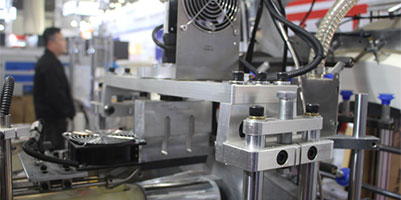
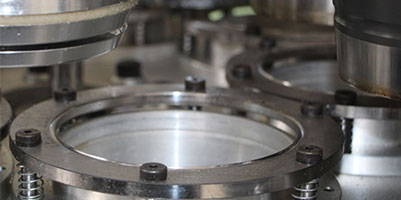
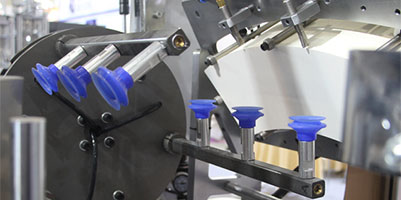
How Automatic Paper Bowl Machines Achieve Minute Output
Today's paper bowl manufacturing equipment uses servo motors for synchronization during the entire process from feeding paper stock to punching bowl bases and forming the final shape, all coordinated down to the millisecond level which gets rid of those old production bottlenecks that used to slow things down. Tension sensors built into these machines constantly watch how the paper is unwinding, making automatic adjustments to feeding speeds so there are fewer jams while still keeping the dimensions accurate enough for quality control standards. With this kind of smooth operation going on continuously, factories can reliably produce between 200 and 300 finished bowls every single minute, roughly triple what older hydraulic systems managed back in the day. What makes this possible is basically a two part automated system working together. First, preheated molds give each bowl its shape consistently within about 0.15 mm tolerance range. Then comes infrared drying tunnels that get those adhesive bonds set properly in just under two seconds per bowl, speeding up the whole production line significantly.
Real-Time Production Data Shows 92% Uptime in Continuous Operations
Top performing high speed paper bowl machines maintain around 92% uptime when running non stop through day and night shifts something most Tier 1 food packaging plants have confirmed as standard practice these days. Why do they work so well? Let's look at what makes them tick. First off, those laser aligned forming stations basically wipe out misalignment issues which typically account for about 15% of all stoppages in older equipment. Then there are those clever photoelectric sensors watching for paper jams or weird thickness changes, automatically fixing problems in just under half a second flat. With these built in safety nets, unexpected shutdowns become rare events indeed, keeping defects below 3% even on massive production runs. Throw in those energy saving servo motors and manufacturers see their output jump by roughly 40% compared to traditional semi automatic systems. Makes sense why so many companies are making the switch nowadays.
Ensuring Brand Trust Through Consistent Quality and Regulatory Compliance
Maintaining brand trust requires unwavering commitment to production excellence and safety standards. For paper bowl machine operations, this translates to two critical pillars: engineering precision and regulatory alignment.
Precision Engineering: Tolerance Control Within ±0.15mm Across 50,000+ Units
Top manufacturers get their dimensional stability right thanks to those fancy servo-controlled forming systems which keep tolerances tight around plus or minus 0.15mm even when running batches over 50 thousand units. The whole operation gets checked constantly via automated laser scanning at about 120 spots every minute, making sure everything stays consistent as it goes through high speed stacking processes, transportation, or gets filled automatically. With this kind of precision down to the micrometer level, packages stay completely leak proof for all sorts of liquid food products. And according to some recent data from folks at the Flexible Packaging Association, this approach has actually reduced customer complaints by roughly 34% across various food service operations throughout the industry.
Meeting FDA and EU Food-Contact Standards with Advanced Mold Calibration
Material traceability starts at the source of the pulp and continues all the way through compliance with FDA regulations 21 CFR §176.170 as well as EU Regulation (EC) No 1935/2004. Real time thermal sensors built into the mold assembly keep curing temps right around 162 to 167 degrees Celsius, which helps prevent any chemicals from migrating into food products during processing. We plate our casting surfaces with nickel and maintain strict control over temperature profiles throughout production. This approach consistently results in no detectable heavy metals when third parties conduct their audits, something that's absolutely essential for working with major brands across different markets worldwide.
Driving Long-Term Cost Savings and ROI with Automated Paper Bowl Machines
Reducing Labor Costs by 68% Compared to Semi-Automatic Production Lines
The Packaging Efficiency Report from 2024 shows that switching to automated paper bowl machines cuts down on labor needs by around two thirds compared to older semi automatic setups. Manual production lines typically need between eight and ten workers during each shift, while the automated versions can get away with only two or three techs watching over things when there are diagnostic checks or equipment changes needed. For companies of moderate size, this switch saves roughly $140k to $150k every year on staffing costs alone. Plus it gets rid of those pesky mistakes people make manually, like bad seams where the bowl doesn't seal properly or glue applied unevenly across the surface.
Energy-Efficient Servo Motors Lower Power Consumption by 37% vs. Hydraulic Systems
Servo driven machines typically run around 8.2 kilowatts per hour when working hard during production, which is actually about 37 percent lower compared to similar hydraulic systems. These smart motor controls know exactly when to give extra power for tough tasks like closing molds or making cuts, then dial things down when nothing much is happening, so they don't just sit there wasting electricity. Take a factory that makes 15 million bowls every year for example. With these efficient machines running instead of old fashioned ones, they'd save roughly twenty two grand on their electric bill each year. Plus, they'd cut carbon dioxide emissions by almost twenty metric tons annually, something that matters a lot for companies trying to green up their operations.
Evaluating the Break-Even Point: When High Initial Investment Pays Off
The higher upfront investment achieves payback within two years through combined labor and energy savings, plus a 133% throughput gain. ROI accelerates further when prioritizing high-margin custom designs—where automated precision supports 15—30% price premiums, per the Sustainable Packaging Quarterly 2023.
FAQ
How many paper bowls can high-speed machines produce per minute?
These machines can produce between 200 to 300 paper bowls per minute, significantly outperforming older systems.
How do automated machines ensure consistent quality?
Automated machines use precision engineering and tight tolerances, controlled by servo motors and laser scanning, to maintain consistent quality across large production batches.
What are the labor cost savings with automated machines?
Automated machines can reduce labor costs by up to 68% as they require fewer operators compared to semi-automatic production lines.
How do servo motors improve energy efficiency?
Servo motors use 37% less energy compared to hydraulic systems by optimizing power use during production processes, leading to significant energy savings.
What is the ROI timeframe for high-speed paper bowl machines?
The return on investment for these machines is typically achieved within 18 to 24 months through savings in labor, energy, and increased output.