
 EN
EN
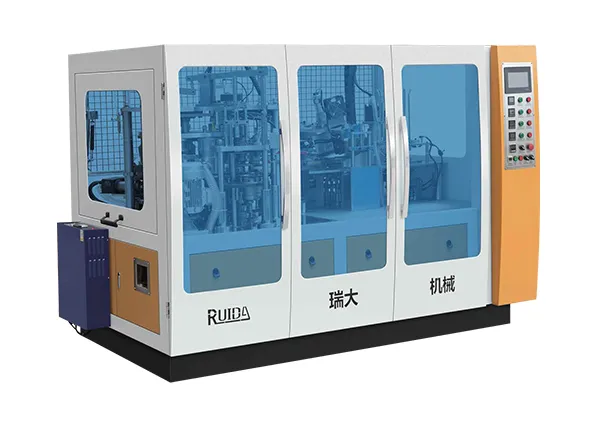
Why Foodservice Businesses Are Prioritizing Paper Bowl Machines
The folks running food service businesses today find themselves squeezed between several pressing issues, which makes getting their own paper bowl machine something they really need to think about seriously. Regulations have changed quite a bit lately. More than 100 nations worldwide now ban single use plastics, so restaurants must switch fast to those eco friendly bowls that carry official certification marks. At the same time, customers want greener options too. A recent survey showed that almost seven out of ten Americans actually prefer eating at places where they know the containers are environmentally responsible. There's another angle beyond just following rules though. These machines bring real advantages when it comes to day to day operations. They cut down on staff needed for manual work and let businesses expand quickly without breaking a sweat, especially important since takeout orders keep climbing month after month. Getting into the habit of making our own bowls means we're not so dependent on outside suppliers anymore either. As new environmental laws pop up all the time, having control over our packaging becomes less of a nice to have feature and more like insurance policy against unexpected costs down the road.
Sustainability Compliance: Enabling the Shift from Plastic to Certified Biodegradable Bowls
Regulatory pressure driving adoption: EU SUP Directive, U.S. state bans, and EPR mandates
Regulations around the world are pushing companies toward greener packaging solutions, which means many food service businesses have had to start looking at those fancy paper bowl machines. Take the European Union's Single-Use Plastics Directive for instance. It doesn't just ban certain plastic products but also makes producers responsible for what happens after disposal through these EPR programs. That basically means manufacturers end up paying for waste management instead of customers. Across the pond in America, twelve different states already have rules limiting plastic packaging. California went even further with Senate Bill 54 that wants every piece of packaging either recyclable or compostable by 2032. All these changes are driving restaurants and cafes to adopt automated systems for producing paper bowls that meet standards such as ASTM D6400 certification for biodegradability. And let's not forget about the money aspect either. Companies caught violating these rules could get hit with fines reaching $50k per incident. So investing in proper equipment isn't just good for the environment anymore it's becoming necessary to avoid getting slapped with hefty penalties down the road.
Material compatibility deep dive: PLA-coated vs. PE-coated paper—impact on machine settings and end-of-life handling
Paper bowl machines require distinct configurations for different coatings. PLA-coated (polylactic acid) bowls—derived from corn starch—demand lower thermoforming temperatures (110–130°C), whereas PE-coated (polyethylene) alternatives require 150–170°C. This affects energy use, mold design, and maintenance cycles. Crucially, end-of-life outcomes differ significantly:
| Coating Type | Compostability | Recycling Compatibility | Machine Adjustment Needed |
|---|---|---|---|
| PLA | Industrial facilities only (90–180 days) | Contaminates paper recycling streams | Reduced heating elements, precise temperature control |
| PE | Non-biodegradable | Compatible with conventional plastic recycling | Standard petroleum-based thermal settings |
PLA coatings align with circular economy goals but require industrial composting infrastructure—available in only 47% of U.S. municipalities. Modern paper bowl machines with IoT sensors now auto-adjust settings when switching materials, preventing production errors while optimizing sustainability outcomes.
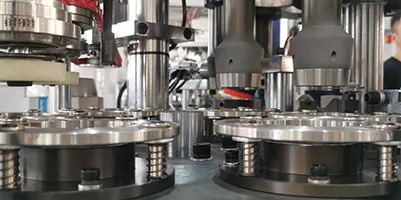
Operational Performance: Matching Paper Bowl Machine Capacity to Foodservice Scale
Selecting the right paper bowl machine hinges on aligning its throughput capabilities with your operational scale. Mismatched capacity creates bottlenecks—underutilized assets for small cafés or overwhelmed systems in high-volume kitchens.
Throughput Tiers: From Manual Tabletop Units (300–800 Bowls/Hour) to Fully Automatic Lines (2,500+ Bowls/Hour)
- Low-volume: Manual or semi-automatic units suit startups or niche bakeries (<1,000 daily units), minimizing upfront investment.
- Mid-volume: Semi-automated systems (1,200–1,800 bowls/hour) fit regional chains with moderate demand spikes.
- High-volume: Fully automated lines (2,500+ bowls/hour) with PLC controls and quick-change molds serve QSRs or meal-prep facilities, slashing labor costs by 45%.
Real-World ROI: QSR Case Study Showing 27% Reduction in Packaging Line Downtime Post-Integration
A 150-location quick-service chain upgraded to automated paper bowl machines with IoT-enabled diagnostics. Real-time monitoring of motor heat and glue viscosity cut maintenance delays, achieving:
- 27% fewer unplanned stoppages
- 15% higher hourly output
- Payback period under 14 months via reduced waste and overtime.
This mirrors industry findings where automated forming systems lower cost-per-unit by 31% versus manual alternatives at scale.
Future-Ready Features: Smart Controls, Circular Integration, and Lifecycle Optimization
The latest innovations in paper bowl machines are changing how foodservice packaging is made, thanks to smart controls powered by the Internet of Things and designs that follow circular economy principles. These connected systems let operators keep track of important stuff like energy consumption and how much material gets processed each day, which matters a lot when companies need to report on their environmental impact or meet producer responsibility requirements. By relying on actual data rather than guesswork, manufacturers can cut down on mistakes, fix problems before they become major issues, and stay compliant with regulations such as the EU Packaging Directive. Foodservice businesses report saving around 30% less time during audits since switching to these smarter systems.
IoT and real-time data: How connected paper bowl machines support LCA reporting and EPR compliance
Real-time data collection through IoT sensors tracks production variables such as temperature, glue application consistency, and waste rates—feeding directly into automated LCA frameworks. This connectivity allows operators to generate instant compliance reports for environmental regulations, cutting verification time by half while enhancing transparency in sustainability claims.
Energy vs. impact trade-off: Why higher machine efficiency often lowers net environmental footprint
High-efficiency paper bowl machines consume up to 25% less energy per unit through features like adaptive speed control—but more importantly, they reduce net emissions by minimizing material scrap. By optimizing resource use over the machine's lifecycle, this approach lowers overall carbon footprints despite higher initial energy inputs.
FAQ
Why are food service businesses considering paper bowl machines?
Many food service businesses are considering paper bowl machines due to regulatory pressure to reduce single-use plastics and an increasing customer demand for environmentally friendly packaging. These machines also offer operational benefits, such as reduced manual labor and independence from external suppliers.
What are the advantages of using PLA-coated over PE-coated paper?
PLA-coated paper, despite requiring specific composting facilities, aligns with circular economy goals and requires distinct machine settings for production. PE-coated paper, on the other hand, is compatible with conventional recycling but is non-biodegradable.
How does machine efficiency impact environmental footprint?
Higher machine efficiency often results in less energy consumption per unit and reduces emissions by minimizing material scrap, thus lowering the overall carbon footprint over the machine's lifecycle.
What is the significance of IoT in paper bowl machines?
IoT integration in paper bowl machines allows for real-time data collection, which supports lifecycle assessment reporting and extended producer responsibility compliance while also optimizing production efficiency.
Table of Contents
- Why Foodservice Businesses Are Prioritizing Paper Bowl Machines
- Sustainability Compliance: Enabling the Shift from Plastic to Certified Biodegradable Bowls
- Operational Performance: Matching Paper Bowl Machine Capacity to Foodservice Scale
- Future-Ready Features: Smart Controls, Circular Integration, and Lifecycle Optimization
- FAQ