
 EN
EN
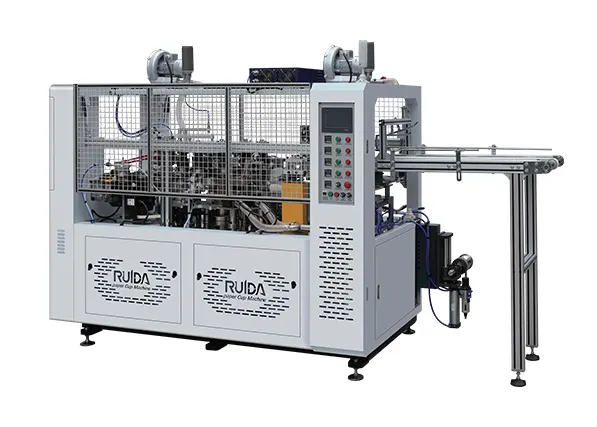
Labor Cost Reduction with an Automatic Paper Bowl Machine
Automating paper bowl production with a fully integrated system drastically reduces labor costs by minimizing human intervention across operations.
From 6 Operators to 1 Supervisor: Quantifying Direct Labor Savings
The new generation of paper bowl machines has completely changed how things work on factory floors. What used to need 5 or 6 workers standing around an assembly line can now be handled by just one person watching over operations, which cuts down direct labor costs somewhere between 65% and 80%. Take this packaging facility for instance they dropped their hourly wage bill from $38 down to just $13 once they installed these automated systems according to what was published in the Industrial Efficiency Report last year. These machines come with built-in robots that handle materials and smart sensors that spot defects automatically, so nobody has to manually stack products or do quality inspections anymore. The operators today simply run production using pre-set programs displayed on easy-to-use screens. This means workers spend about 40% less time getting trained and managers don't need to supervise as much either roughly 55% less than what was required when they had those older semi-automated setups running.
Cutting Hidden Labor Expenses: Training, Overtime, and Turnover
When it comes to cutting those sneaky labor expenses, automation really shines. We're talking about things like hiring new staff all the time, keeping skilled workers around, and dealing with those costly overtime fines. The whole process becomes much cleaner when everything is standardized. Factories see a massive drop in defects needing fixes - around 67% reduction actually, going from roughly 12% waste down to just 4%. That means far less unexpected overtime for everyone involved. Machines that run consistently day after day? They cut down on employee turnover too. Some plants report saving about $8,500 every month just on not having to constantly bring in replacement workers for each production line. And let's not forget about precision engineering. When machines produce exactly what they should shift after shift, there's no need for that $18 thousand a month worth of extra hours that manual workforces typically require. The real kicker though is how this scales up. Companies can double their output without needing twice as many people working. Makes sense why so many manufacturers are making the switch these days.
Time Efficiency Gains of a Fully Automatic Paper Bowl Machine
Cycle Time Reduction: 6–8 Seconds vs. 25+ Seconds in Semi-Automated Lines
Automatic paper bowl machines cut down on cycle times dramatically, getting the job done in just 6 to 8 seconds compared to around 25 seconds needed for semi-automated versions. The reason these machines work so fast? They've got built-in robots taking care of everything from feeding materials to shaping the bowls and popping them out at the end, all without needing anyone to step in manually. Looking at what's happening across the industry, we see fully automated lines producing over 300 bowls every minute while traditional setups with some manual help struggle to hit 120. That kind of difference really adds up when looking at daily production numbers. Getting rid of those pesky human tasks like adjusting molds by hand or transferring bowls between stations means the whole process stays steady throughout shifts, no matter how long they run for.
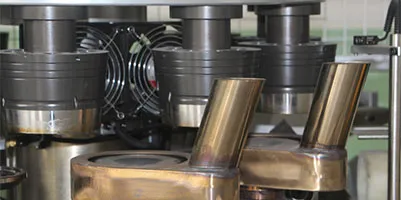
Uptime Improvement: 92% Operational Availability vs. 68% in Manual-Assisted Production
When it comes to keeping things running smoothly, automated systems hit around 92% operational availability because they cut down on those annoying downtime issues that plague manual operations. These smart systems use predictive maintenance tech to watch out for motor loads and track bearing temps before problems even start showing up. According to the Packaging Efficiency Report from last year, this kind of proactive approach stops about 38% of all breakdowns that happen in factories relying heavily on human workers. Manual setups aren't doing so hot though, clocking in at only about 68% uptime. That means losing roughly 5 hours and 40 minutes every single day due to tired operators, switching shifts, and those mandatory inspection breaks nobody really wants to take. Another big plus with automation? Less direct contact between humans and machines means fewer contamination incidents that force production lines to halt completely, which helps maintain steady output rates throughout long production cycles without constant interruptions.
| Efficiency Metric | Automatic System | Semi-Automatic System | Improvement |
|---|---|---|---|
| Average Cycle Time | 6–8 seconds | 25+ seconds | 70%+ faster |
| Operational Availability | 92% | 68% | +24 points |
| Daily Output Capacity | 18,000+ units | †8,000 units | 125%+ gain |
End-to-End Time Savings from Eliminating Manual Intervention
Automated Feeding, Stacking, and In-Line Quality Sorting
When automation is fully integrated into production lines, it basically takes over those key points where humans would normally step in. Precision conveyors take care of feeding materials, robotic arms keep things aligned properly during stacking, and computer vision spots defects as they happen. This creates a smooth running operation without all those annoying stops for people to adjust stuff or check quality manually. Factories that have made this switch report cutting down on cycle interruptions by about 40%, according to Packaging Industry Benchmarks from 2024, and hitting almost perfect dimensional accuracy at 99.6%. Getting rid of direct human contact with products has another benefit too. Workstations see fewer injuries and there's less risk of contamination getting into the product stream. Changeovers between batches now take around 30 minutes less time compared to before, yet production still hits those maximum output levels that just weren't possible when workers had to do everything by hand.
Secondary Benefits of Automation for Paper Bowl Machine ROI
Consistency-Driven Waste Reduction: 22% Less Material Rework and Scrap
Paper bowl machines that are automated provide much more consistent forming and sealing pressure, which cuts down on those pesky defects caused by human error that just eat away at materials. According to some industry numbers we've seen from the Ponemon Institute back in 2023, there's actually around 22 percent less need for reworking and scrapping when these machines are used instead of manual ones. These modern machines come equipped with precision sensors that spot faulty bowls right away before they can cause problems further down the line. And let's put some numbers behind this benefit. A typical installation making about quarter of a million units each day could save somewhere around seven hundred forty thousand dollars every year thanks to all these improvements.
Scalability and Output Stability Without Linear Labor Scaling
Automation decouples production scaling from labor costs. A single supervisor can manage output increases of 40–60% with no proportional staffing growth. Machines sustain 92% uptime and consistent quality—avoiding overtime during demand spikes. This output stability protects ROI during seasonal fluctuations while reducing turnover-related training costs by 18%.
FAQ
How does automation reduce labor costs?
Automation reduces labor costs by decreasing the need for manual labor, reducing overtime expenses, lowering turnover rates, and cutting training costs. Machines handle tasks that previously required multiple workers.
What are the time efficiency gains from using automatic machines?
Automatic machines significantly reduce cycle times—from 25 seconds to just 6–8 seconds—while improving uptime to 92%, compared to 68% in manual-assisted production, leading to smoother and more consistent operations.
How does automation impact product quality?
Automation improves product quality by ensuring consistent production standards, reducing defects, and enhancing precision with integrated sensors that immediately detect faulty products.
Are there additional benefits to using automation for paper bowl production?
Yes, automation also helps reduce waste by minimizing rework and scrap, enhances scalability without proportional labor cost increases, and maintains stable output levels during demand fluctuations.
What is an automatic paper bowl machine?
An automatic paper bowl machine is a piece of equipment designed to produce paper bowls using automated systems that minimize human intervention, thus reducing labor costs and increasing efficiency.