
 EN
EN
Paper Bowl Machine: Low-Capex Entry & Fast ROI for Cost-Effective Early-Stage Brand Adoption
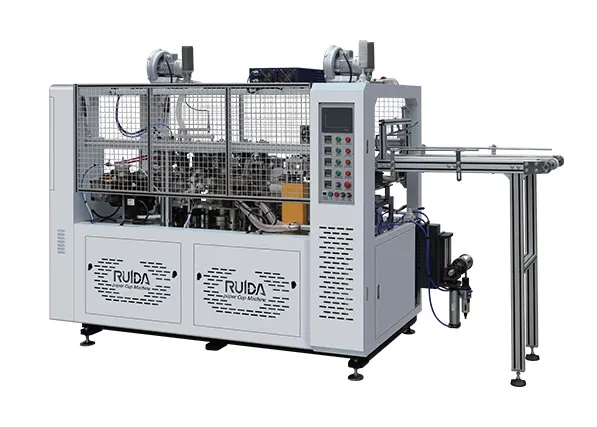
Affordable Upfront Investment and Minimal Infrastructure Requirements
The compact paper bowl machine cuts out those expensive six figure equipment costs that come standard with traditional manufacturing setups. These smaller units don't need their own special facility either, they work just fine in spaces around 500 square feet or so. That makes them perfect fit for city warehouse locations or even shared workshop environments where space is at a premium. When it comes to getting started, businesses can save anywhere from 60 to 80 percent on setup expenses compared to what outsourcing would cost. Plus, since these machines run on single phase power, there's no need for major electrical upgrades either. For companies just starting out, this means maintaining complete control over product quality without dealing with complicated automated systems. The money saved gets redirected towards growing the business rather than tied up in expensive machinery that sits idle most of the time.
Rapid Payback Through In-House Production and Reduced Outsourcing Costs
Moving away from relying on contract manufacturers toward owning our own equipment typically pays off within about 12 to 18 months, which is around 40 percent quicker than what most companies experience according to recent reports from the Association for Manufacturing Excellence. We've found that running things internally saves roughly eight to twelve cents per unit compared to paying outside vendors, plus we no longer have to deal with those annoying minimum order requirements that often result in excess inventory sitting around unused. These cost savings make it possible to offer competitive prices when entering fast growing markets such as ready made meals or quick service cafes. Another big advantage comes during product development cycles where having control over production lets us test out new seasonal designs much faster without waiting forever on suppliers who might take weeks just to get started on prototypes.
Space- and Energy-Efficient Operation for Lean Startup Environments
For startups working in food packaging, finding enough room is a major headache, particularly when they're stuck in city warehouses or those shared maker spaces where every inch of floor space costs extra. The good news? Compact paper bowl machines take up around 40 percent less space compared to regular packaging gear, so some companies can actually get started in just about 150 square feet of space. This smaller size really fits well with the whole lean manufacturing approach many businesses are adopting these days. Not only does it cut down on overhead costs, but it also lets multiple tenants pack more production into the same industrial space without feeling cramped together.
Compact Paper Bowl Machine Design for Urban Warehouses and Shared Makerspaces
The modular design works great for stacking vertically or fitting into corners, which saves money on expanding buildings. Regular models fit right into current electrical setups without needing to tear things apart or rebuild anything. That makes these systems perfect for old warehouses or city lots that never had proper industrial wiring back when they were built. Manufacturing co-working spaces get an extra boost from this setup. Those rolling carts mean machines can be moved around different work areas as needed, so there's no waiting time while everything gets rearranged between projects.
Low-Power Automation and Material-Saving Precision for Sustainable Scale-Up
Today's machines typically use around 15 kW while running, which is roughly what three commercial ovens would consume at once. They achieve this efficiency thanks to variable frequency drives and those fancy servo controlled forming heads we've been talking about. The improved accuracy cuts down on wasted materials by about 23 percent when compared to old school manual methods according to tests done last year by folks at the Sustainable Packaging Coalition. These systems come equipped with dual purpose sensors that keep track of bowl thickness within a tenth of a millimeter plus or minus, and they also watch the power usage in real time. All this monitoring helps companies fine tune their operations for better sustainability right from the start up phase.
Meeting Market Demand for Eco-Conscious Packaging with Scalable Output
Aligning with Food Service Trends: Compostable Bowls for Cafes, Meal Kits, and E-Commerce
More people are putting their money where their values are when it comes to green choices. The latest numbers from NielsenIQ show that around two thirds of shoppers care about eco friendly packaging when picking out products these days. For meal kits, finding containers that won't leak and can be composted is becoming essential. Online food companies also need biodegradable bowls not just because they want to cut down on packaging waste but because big box stores keep raising their sustainability standards. Smaller businesses now have access to compact machines that let them make their own compostable bowls right at the factory. These ASTM certified options could help new companies grab a piece of what looks like will be a $150 billion market for sustainable food packaging by 2028 or so.
Material Flexibility: Seamless Integration of PLA, Bamboo Pulp, and Compostable Linings
Material changeovers take under 15 minutes. Single-machine operation across formats cuts packaging procurement costs by 40% versus outsourcing multiple SKUs—streamlining supply chains while strengthening brand consistency.
FAQs
What are the benefits of using compact paper bowl machines?
Compact paper bowl machines offer cost-effective manufacturing with low upfront investment and minimal infrastructure requirements; fast ROI through reduced outsourcing costs; and space-efficient operation that suits urban and shared workshop environments.
How do compact paper bowl machines align with sustainable practices?
These machines use low-power automation and material-saving precision to reduce waste and optimize sustainability. They also facilitate the production of eco-conscious packaging with scalable output, meeting market demand.
What substrates do modern paper bowl machines accommodate?
Modern paper bowl machines can seamlessly integrate various biodegradable substrates such as PLA, bamboo pulp, and compostable films, enabling versatile packaging solutions.
How quickly can material changeovers be performed?
Material changeovers on these machines typically take under 15 minutes, allowing for efficient transitions between different substrate types.