
 EN
EN
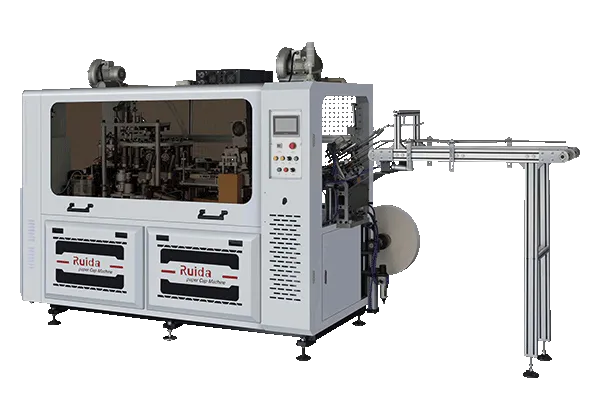
Foodservice & Beverage: Driving Efficiency and Branding with Paper Cup Machines
High-Volume Demand in Coffee Shops and Cafés
During busy periods, coffee shops and cafes often need to pour hundreds of drinks every hour. That's where modern paper cup machines come into play, cranking out around 100 to maybe even 150 cups each minute. This kind of speed lets city-based cafe chains stop depending so much on outside suppliers for their takeaway cups. The automation also cuts down on wasted materials somewhere between 12% and 18%, which is pretty significant when looking at all those disposable cups. And best of all, these machines keep churning out consistent results no matter how hectic things get during morning rush or afternoon coffee breaks.
Hygiene and Operational Efficiency in Busy Environments
Regulatory bodies like the U.S. Department of Agriculture enforce strict hygiene standards for disposable packaging. Automated paper cup machines minimize human contact during production, cutting contamination risks by 34% in high-traffic environments. Integrated quality control sensors reject defective cups in real time, maintaining compliance while streamlining back-of-house operations.
Custom Printing for Brand Visibility and Marketing
Paper cups with custom prints work great as walking ads for businesses. Research indicates that when customers see logos or branding on their cups instead of plain ones, they remember those brands around 58 percent better. The digital printing tech these days lets coffee shops roll out special edition cups for holidays or team up with nearby artists, which helps build stronger ties within communities. Take one coffee shop chain in the Midwest area for instance they reported roughly 27% boost in sales once they started using cups featuring designs specific to different regions where each store was located.
Scaling Production via Automated Paper Cup Manufacturing
Advanced paper cup machines leverage Industry 4.0 technologies such as IoT-enabled predictive maintenance and AI-driven material optimization. These systems automatically adjust settings for different cup sizes (8–24 oz), reducing changeover time by 40%. One manufacturer achieved 99.2% uptime using automated rim-curling and bottom-sealing subsystems, lowering production costs by $0.008 per cup.
Case Study: Urban Café Chains Using In-House Cup Machines
After putting in place two mid speed paper cup machines across their 12 location cafe network, the company saw packaging expenses drop around 22 percent while also slashing annual carbon emissions by nearly 19 tons. With cups made on demand, they no longer needed to stockpile space taking up inventory for all those different cup sizes (there were 15 variations!), which let them roll out special daily menu items without any hassle. Their signature Barista Blend cup design really stood out too. The reinforced sip lines made it distinctive enough that customers started recognizing it everywhere. Surveys showed about 8 out of 10 patrons actually noticed and remembered this unique cup design during visits.
Fast Food and Restaurants: Streamlining Takeaway Packaging with Automation
The paper cup machine has become essential in modern fast-food operations, addressing rising takeout demand and sustainability requirements. With 72% of restaurants reporting increased off-premise orders since 2020 (National Restaurant Association 2023), operators are adopting automated solutions to maintain speed and consistency.
Rise of Takeout Culture and Disposable Packaging Needs
Takeout now accounts for 56% of global fast-food revenue (QSR Magazine 2023), driving unprecedented demand for single-use packaging. Paper cup machines produce FDA-compliant, leak-proof containers at speeds exceeding 120 cups/minute, preventing bottlenecks during peak service. This scalability allows drive-thru-focused brands to deliver quick, reliable service without delays.
Integrated Processes: Cutting, Forming, and Bottom Sealing
Modern paper cup machines automate three critical stages:
- Precision cutting: Laser-guided systems shape paper rolls into uniform blanks (0.1mm tolerance)
- Hydroforming: Steam-molded paper achieves structural rigidity without plastic coatings
- Instant sealing: Infrared technology bonds cup bottoms in under 0.3 seconds, preventing leaks
Automation reduces human contact points by 90% compared to manual assembly lines, enhancing hygiene compliance in food-grade environments.
Cost and Supply Chain Advantages of On-Site Production
Restaurants using in-house paper cup machines reduce packaging costs by 35% versus outsourcing (Velec Systems 2023). On-demand production eliminates third-party markup (typically 20–40%), minimum order requirements, and cross-contamination risks from external storage and transport. A mid-sized pizza chain saved $18,000 monthly by replacing pre-printed plastic containers with on-demand paper cups.
Case Study: Fast-Food Franchises Adopting Paper Cup Machines
A national burger franchise streamlined operations by installing 12 paper cup machines across its distribution hubs. Over six months, they achieved:
- 40% reduction in packaging costs ($2.1M annual savings)
- 25% faster order fulfillment during lunch rushes
- 89% decrease in customer complaints about damaged cups
The system paid for itself in eight months, demonstrating automation's ROI potential in high-volume QSR environments.
Hospitality Sector: Enhancing Event and Catering Services with On-Demand Cups
Meeting Beverage Service Demands in Large Hotels and Resorts
Large hotels and resorts that handle thousands of guests every day rely on paper cup machines when they face those busy seasons where drinks just keep coming. The machines can crank out around 300 to 500 cups per hour across different sizes, which makes all the difference during breakfast rush hours, at pool bars, and especially during big conference events. According to research from last year, places that have these automated cup makers actually cut down their drink setup times by nearly a third compared to what happens when staff try to prepare everything manually. That kind of efficiency matters a lot when trying to keep customers happy without breaking a sweat behind the counter.
Reducing Costs and Dependencies with In-House Production
Hotels with around 500 rooms typically spend between $18k and $26k each year on disposable cups if they buy them from outside suppliers. Installing paper cup machines on site can cut those expenses down by roughly 30 to 40 percent because hotels can purchase materials in bulk and don't have to pay for shipping anymore. What really matters though is that these machines take away the headache of relying on outside suppliers when tourist season hits its peak. Island resorts know this all too well since nearly seven out of ten face serious problems getting supplies delivered on time during busy periods according to industry reports we've seen.
Case Study: Sustainable Cup Production in Luxury Resorts
One resort chain down in Southeast Asia managed to ditch all plastic for drinks just 12 months after starting their green initiative, thanks to these special compostable paper cup machines they installed. Now they're making cups with actual wildflower seeds from nearby areas mixed right into them, so when guests leave, they can take home a souvenir that grows into real flowers too! This little touch really made a difference, bumping up their eco score by around 42 points on those popular travel websites. Experts in the hospitality business say moves like this let fancy hotels charge extra money without guests getting upset, something like 15 to maybe even 22 percent more per night, all while checking off those important environmental boxes companies need to satisfy these days.
Sustainability Advancements Enabled by Modern Paper Cup Machines
A worldwide move towards green disposable packaging is making paper cup machines more important than ever before, especially those that can churn out cups that actually get recycled or break down naturally. More than two thirds of restaurants and cafes are now looking at their packaging choices through an environmental lens, which represents a huge jump from just four years ago when only about 48% cared about sustainability according to Euromonitor's latest report. This change comes as governments across 94 different nations have started cracking down on regular plastic waste. The newer generation of paper cup manufacturing equipment helps meet this need thanks to special systems designed specifically for working with plant derived lining materials like PLA and paperboard that carries the FSC certification mark. These improvements mean operators aren't stuck with old fashioned solutions anymore.
Reducing Plastic Waste Through Recyclable Paper Cup Solutions
Innovations now enable fully recyclable cups without polyethylene layers, diverting an estimated 740,000 metric tons of plastic waste annually (Ellen MacArthur Foundation 2023). Key advancements include:
- Water-based adhesives replacing chemical sealants
- Closed-loop pulp recovery systems achieving 98% material reuse
- Thin-wall forming technology reducing paper consumption by 22% per cup
Bioplastics vs. Recycled Paper: Environmental Trade-Offs
| Factor | Bioplastic Cups | Recycled Paper Cups |
|---|---|---|
| Decomposition Time | 6-12 months (industrial) | 2-6 weeks (commercial) |
| Carbon Footprint | 31% lower than plastic | 58% lower than plastic |
| Production Costs | +18-22% vs conventional | +9-12% vs conventional |
A 2023 University of Cambridge study found recycled paper cups have 37% lower lifecycle emissions than bioplastic alternatives when processed through modern paper cup machines equipped with energy recovery systems.
Innovations in Leak-Proof, Green Cup Design (Rim Curling & Sealing)
Advanced rim-curling mechanisms now support 100% plant-based cup production without compromising performance. Recent breakthroughs include:
- Pressure-controlled side sealing providing leak resistance up to 90°C
- UV-curable inks reducing drying energy by 64%
- AI-powered thickness optimization minimizing material waste
Consumer Demand Driving Sustainable Industry Adoption
68% of consumers actively choose brands with eco-friendly packaging (GFK 2024), fueling a $17.8B market for sustainable disposable cups by 2027 (Smithers Pira). This trend drives 83% of QSR chains to adopt paper cup machines aligned with circular economy models, exemplified by Starbucks' 2025 zero-waste cup initiative leveraging in-house production capabilities.
Customization and Technology: Expanding Applications Across Niche Markets
Branded and Limited-Edition Cups for Marketing Impact
Big name drink makers are turning to paper cup machines these days to produce all sorts of special edition cups that speak directly to specific groups of people. Take coffee shops as an example they often team up with neighborhood artists for those one-of-a kind cups during festivals or holidays. The results? Customers tend to engage about 15 to 20 percent more with these unique designs than regular packaging does. And what's great about this strategy is that it cuts down on wasted stock since most of these cups get snapped up quickly. Plus, when folks see their favorite barista handing them something really cool looking, it builds that emotional connection with the brand that keeps them coming back week after week in markets where everyone else looks pretty much the same.
Digital Printing and On-Demand Personalization Trends
Digital printing makes it possible to customize products even when ordering just a few units at a time, which works great for local marketing efforts or reaching specific customer groups. When companies switch to making things only when needed, they can actually cut down waiting periods by around 40%. This means businesses stay relevant with what's happening right now in the market place, whether it's preparing for Christmas sales or working with social media stars. A recent market study found something interesting too: over half (about 62%) of shoppers actually want to see brands that give them packages tailored specifically to their tastes. Makes sense really, since people love feeling special these days.
IoT and AI Integration in Smart Paper Cup Manufacturing
IoT-enabled paper cup machines optimize performance through predictive maintenance and real-time quality monitoring. Sensors detect material inconsistencies during forming, while AI adjusts parameters to reduce waste. These systems cut downtime by 25% in high-volume runs, ensuring consistent output for complex designs such as embossed logos or gradient prints.
Case Study: Festival and Seasonal Campaign Cup Runs
A European beverage company produced 500,000 biodegradable cups featuring artist-branded artwork for music festivals. By operating their paper cup machine on-site, they reduced shipping costs by 30% and diverted 85 tons of plastic waste annually—demonstrating how automation supports agility in event-driven markets.
FAQ
1. Why are paper cup machines important for coffee shops?
They allow coffee shops to produce high volumes of cups quickly, reduce reliance on suppliers, and minimize waste.
2. How do paper cup machines ensure hygiene standards?
Automated machines reduce human contact and use quality control sensors to reject defective cups in real-time.
3. Can paper cup machines help in reducing costs and environmental impact?
Yes, they enable on-site production, eliminating third-party markups, and support the use of recyclable materials.
4. What is the role of customization in paper cup manufacturing?
Customization allows businesses to produce unique branded or limited-edition cups, enhancing marketing and customer engagement.
5. How does technology enhance paper cup production?
Use of IoT and AI enables predictive maintenance, real-time monitoring, and reduces material waste.
Table of Contents
- Foodservice & Beverage: Driving Efficiency and Branding with Paper Cup Machines
- Fast Food and Restaurants: Streamlining Takeaway Packaging with Automation
- Hospitality Sector: Enhancing Event and Catering Services with On-Demand Cups
- Sustainability Advancements Enabled by Modern Paper Cup Machines
- Customization and Technology: Expanding Applications Across Niche Markets