
 EN
EN
How Paper Bowl Machines Enable Scalable, Low-Impact Packaging Production
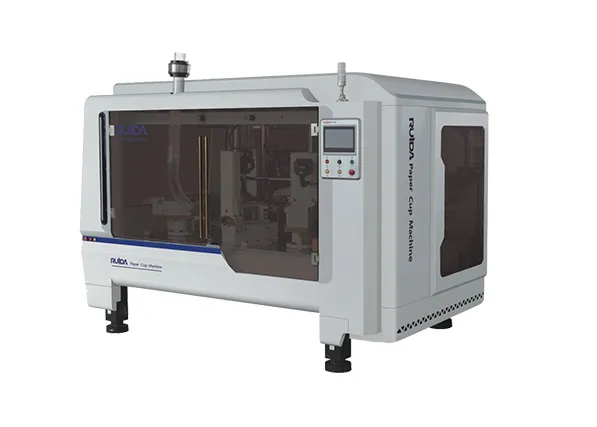
Precision Pulp Molding: Replacing Single-Use Plastic with Compostable Paper Bowls
Today's paper bowl machines rely on advanced pulp molding techniques to turn FSC certified fibers into consistent, food safe containers that replace those pesky petroleum based plastics with fully compostable options instead. These systems work by carefully managing how dense the pulp gets and keeping track of moisture levels throughout production. This approach manages to get rid of plastic coatings altogether while still making sure the bowls can hold hot liquids without falling apart. The whole thing passes the ISO 17088 compostability tests as well. Around 98% of materials actually make it into finished products rather than becoming waste during manufacturing. And manufacturers are hitting impressive production numbers too, somewhere between 80 to 105 units every single minute. This means companies can produce large quantities of eco friendly packaging without sacrificing functionality or breaking the bank in the process.
Energy-Efficient Automation and Reduced Operational Carbon Footprint
Paper bowl machines that are automated actually use around 30 to 40 percent less power compared to those old fashioned plastic forming machines we all know. They come equipped with these smart control systems that really cut down on electricity usage when things get heated up or pressed together. Plus there are these servo driven parts now instead of those outdated pneumatic systems which just wasted so much energy. And when companies manage their materials efficiently too, the whole operation reduces carbon emissions by nearly 90% compared to making plastic bowls. A study done last year by UL and the Environment Agency backs this up. Put these machines into factories running on renewable energy sources, and they become absolutely essential for businesses trying to hit their net zero goals. The best part? Companies can slash their emissions numbers significantly while still keeping production levels high and product quality intact.
Regulatory and Consumer Forces Driving Paper Bowl Machine Adoption
Global Plastic Bans and EPR Laws Incentivizing On-Site Eco-Packaging Manufacturing
As of 2023, over 127 nations have banned single use plastics, and big markets such as the European Union and Canada now require certain amounts of recycled material in packaging. All this regulatory activity is pushing companies toward greener options faster than ever before. Extended Producer Responsibility or EPR laws are making it mandatory for brands to handle their packaging throughout every stage of its life cycle, which means they face real consequences if they don't comply with these rules. Food service operators can invest in paper bowl manufacturing equipment to make compostable containers right at their location, saving them from facing hefty fines that typically run around seven hundred forty thousand dollars each year for businesses that fail to meet requirements. What was once just another expense item on balance sheets is becoming something valuable instead. Companies able to adapt quickly to stricter regulations gain a competitive edge and build stronger supply chains at the same time.
Rising B2B and Retail Demand for Certified Sustainable Foodservice Packaging
As consumers become more environmentally conscious and companies set their own green goals, we're seeing a real shift in what gets bought and sold. The numbers back this up too - businesses purchased 67% more certified sustainable food containers last year compared to 2023. Now most big box stores and fast food places want proof before they'll work with packaging suppliers. They need things like BPI certification for biodegradables or those FSC papers showing where the wood comes from. Paper bowl manufacturing equipment helps meet these demands because it lets factories produce containers that can be tracked all the way through production while still carrying those important sustainability labels. This matters a lot for companies trying to report on their environmental impact and hit their waste reduction targets. Beyond just checking boxes for regulations, there's actual money to be saved here. Companies avoid costly audits, get their eco-friendly products to shelves quicker, and build stronger relationships with stores that care about sustainability.
Material Integrity and End-of-Life Responsibility in Paper Bowl Manufacturing
FSC-Certified Fiber Sourcing and Compatibility with Industrial Composting Systems
Sustainability starts at the source and ends with responsible disposal for paper bowl manufacturing. These machines work with FSC certified fibers so we know the wood pulp actually comes from forests managed responsibly. At the other end, the bowls themselves break down completely in about three months inside industrial composting systems. According to some waste management research, this process keeps roughly two thirds of restaurant waste out of landfills if everything goes right. What makes these bowls special? They skip the harmful chemicals like PFAS that stick around forever. Instead, manufacturers use coatings made from plants to keep liquids contained. The combination of knowing where materials come from and proving they disappear safely after use aligns well with stricter environmental regulations worldwide. Certifying bodies, government agencies, and everyday consumers all take notice when companies can back up their green claims with real data and transparent practices.
Technical Evolution of the Paper Bowl Machine: Performance, Flexibility, and ROI
What started as just another niche piece of equipment has transformed into something much bigger for the paper bowl machine industry. These modern machines can crank out anywhere between 80 to over 105 units every single minute, all while keeping those dimensions spot on. That means way less waste compared to older manual setups or half-automated production lines that still dot many factories. The adjustable parts let manufacturers handle bowls ranging from 75mm right up to 140mm in diameter. And they work with all sorts of materials too, from regular paper to special coatings like PLA or even aluminum foil laminates. This flexibility is huge when it comes to meeting different local regulations across markets, adapting to various product sizes, and fulfilling specific client requests. Smart maintenance features powered by artificial intelligence cut down unexpected stoppages by around 30 percent, which matters a lot in continuous production environments. Plus, the modular design approach makes it easier for companies to invest incrementally rather than going all in at once. Mid-sized operations that might have been priced out of automation before now find themselves able to compete with larger players. All these improvements translate into solid returns on investment beyond just saving money on labor costs and electricity bills. Brands gain more flexibility to respond quickly to changing demands, stay ahead of regulatory requirements, and position themselves better within today’s growing circular economy landscape where sustainability isn't just nice to have anymore.
FAQ
What are paper bowl machines?
Paper bowl machines are industrial equipment that manufacture compostable paper bowls using advanced pulp molding techniques. They help replace single-use plastic bowls with sustainable alternatives.
How do paper bowl machines contribute to sustainability?
These machines reduce plastic use, are energy efficient, cut carbon emissions, and use FSC-certified fibers. They create products that are compostable in industrial systems, minimizing landfill waste.
What is the significance of FSC certification?
FSC certification ensures that the wood fibers used in paper bowls come from responsibly managed forests, supporting eco-friendly practices.
Is it possible to make custom-sized bowls with these machines?
Yes, paper bowl machines are adaptable and can produce bowls of different diameters, from 75mm to 140mm, to meet specific production and regulatory needs.
Why are companies increasingly choosing paper bowl machines?
Companies are opting for paper bowl machines due to regulatory pressures, the need for sustainable packaging, and the increasing demand for certified eco-friendly containers.
Table of Contents
- How Paper Bowl Machines Enable Scalable, Low-Impact Packaging Production
- Regulatory and Consumer Forces Driving Paper Bowl Machine Adoption
- Material Integrity and End-of-Life Responsibility in Paper Bowl Manufacturing
- Technical Evolution of the Paper Bowl Machine: Performance, Flexibility, and ROI
- FAQ