
 EN
EN
Paper Bowl Machine:Modular Design and Precision Control for Seamless Size Flexibility
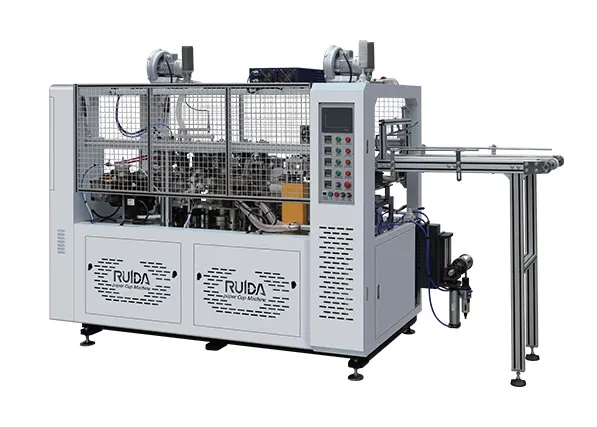
Modular Forming Stations Enable Rapid, Tool-Free Size Transitions
Top manufacturers are now turning to modular forming stations because they completely cut out those time-consuming mold changes we used to rely on. With standardized parts in place, workers can swap from one bowl size to another like going from 4 inches to 8 inches in just under 90 seconds flat, no tools required at all. This setup works great for making smaller batches of specialized products such as biodegradable dessert cups or maybe even some unique soup bowls that customers want in limited quantities. The big advantage here is that changing sizes doesn't mean replacing hardware anymore, which means factories experience around 70 percent less downtime than what was common with older equipment. Many plants have reported significant improvements in their overall efficiency since switching over.
Servo-Driven Adjustment of Die Gap, Depth, and Feed Speed per Bowl Specification
Precision servo motors dynamically reconfigure three critical parameters:
- Die gap, adjusted within ±0.05mm tolerance for consistent wall thickness
- Forming depth, adapted for shallow snack bowls or deep noodle containers
- Material feed speed, synchronized with size changes to prevent jamming
This closed-loop control ensures uniform quality across the full 8oz–32oz range, reducing material waste by 15% (Packaging Digest, 2023). Embedded sensors monitor output in real time, automatically compensating for fiber density variations in recycled pulp.
Smart Automation: HMI Presets and Real-Time Compensation for Consistent Quality
Modern paper bowl machines use smart automation to eliminate manual recalibration during size transitions—ensuring consistent quality across diverse production requirements.
One-Touch HMI Presets Recall Full Parameter Sets in Under 90 Seconds
Most plant operators keep their custom settings for different bowl sizes right in the HMI interface. Just one tap brings back all those parameters at once - think forming pressure levels, temperature curves, conveyor timings everything needed. What used to take workers several hours manually setting up now gets done in under ninety seconds flat. Plants that have implemented this system see around three quarters fewer mistakes when switching between sizes. Plus, the machine keeps track of past adjustments too, which helps improve those preset configurations over time as conditions change.
Real-Time Thickness Compensation Maintains Wall Integrity Across 8–32 oz Range
During the forming process, laser sensors keep checking how thick the material is getting. When measurements go beyond that 0.1mm tolerance range, the control system jumps in right away to tweak both hydraulic pressure settings and how fast the material moves through. These real time corrections help maintain good structural strength no matter what size we're working with. Small bowls won't end up with those annoying under formed edges anymore, and big items don't buckle either. Most factories report around 98% consistent leak test results these days, which is pretty impressive considering they can switch between different product sizes halfway through production runs without missing a beat.
Near-Zero Downtime: Eliminating Traditional Mold Changes in the Paper Bowl Machine Workflow
Quick-Adjust Mandrel System Reduces Size Changeover to Under 3 Minutes
The old way of swapping molds brings everything to a grinding stop for hours on end. This means delayed shipments and higher wages paid just to sit around waiting. Newer paper bowl machines tackle this problem head on with their built-in quick adjust mandrel setup. Workers simply unlock and move those modular parts around without needing any tools at all. Then comes the magic part where servos take over and get everything spot on for sizes from 8 to 32 ounces within about three minutes flat. Factory managers tell us they've seen changeover times drop by almost 90% compared to what used to happen before. Some plants are actually getting back several weeks worth of lost production time every year because of this. Getting rid of all that manual mold work, fighting alignment issues, and dealing with where to store all those extra parts means better machine usage overall. These improvements let manufacturers handle smaller batches more easily while still keeping up with changing customer demands.
Future-Ready Scalability: Software-Driven Expansion Without Hardware Overhaul
Investment protection really happens when companies stop relying on hardware upgrades for their equipment. The latest generation of paper bowl machines now runs on cloud-based firmware systems that roll out new features digitally instead of requiring expensive physical modifications. Factory operators can simply enter license keys to unlock capabilities such as different bowl shapes, fancy embossing patterns, or built-in quality analysis tools without shutting down entire production lines. Before making any changes, digital twin technology lets teams test these updates in simulated environments first, checking how everything works under various conditions. By separating software development from the actual machine lifespan, manufacturers respond much faster to changing market needs without breaking the bank on major overhauls. According to industry studies, this software driven approach cuts long term upgrade expenses anywhere between 30% to 50% compared to old school methods that required constant hardware replacements. Production facilities become future ready this way, adapting smoothly to whatever packaging trends come next.
FAQ
What are modular forming stations?
Modular forming stations are systems that allow quick and tool-free transitions between different bowl sizes, reducing downtime and improving efficiency.
How do servo motors enhance the production process?
Servo motors enable fine adjustments in die gap, forming depth, and material feed speed, ensuring consistent product quality and reducing material waste.
What is an HMI preset?
An HMI preset is a one-touch interface setting that recalls full production parameters quickly, allowing for rapid size transitions.
How does real-time thickness compensation improve product quality?
Real-time compensation adjusts production settings quickly to maintain wall integrity, ensuring consistent product quality across different sizes.
What is cloud-based firmware in paper bowl machines?
Cloud-based firmware allows manufacturers to upgrade and expand machine capabilities digitally without needing physical modifications, thus protecting long-term investments.
Table of Contents
- Paper Bowl Machine:Modular Design and Precision Control for Seamless Size Flexibility
- Smart Automation: HMI Presets and Real-Time Compensation for Consistent Quality
- Near-Zero Downtime: Eliminating Traditional Mold Changes in the Paper Bowl Machine Workflow
- Future-Ready Scalability: Software-Driven Expansion Without Hardware Overhaul
- FAQ