
 EN

How a Plant Utilized Paper Cup Glass Making Machine?
A plant does not gain useful control from the forming equipment simply by switching it on and measuring the cups at the end of a shift. The useful work begins earlier: the team defines the cup application, checks the paper and coating documents, agrees on the sample criteria, and plans how formed cups will move to inspection and packing. That sequence matters whether the buyer calls the equipment a paper cup machine, a paper glass machine, or a kagaj ka gilas banane wala machine.
From a food-packaging application perspective, the question is not which paper cup glass making machine has the longest feature list. It is whether the forming process fits the intended cup, the actual paper stock, the operators’ routines, and the downstream line. The following representative plant workflow explains how a paper cup glass making machine can be introduced and reviewed without presenting a hypothetical case as a verified customer result.
Start with the finished cup, not the machine brochure
Before the plant selected a working approach for its paper cup glass making machine, it converted the sales request into production questions. What cup size and rim profile were required? Would the plant run one format for long periods or change sizes often? Which paperboard, coating, print, and bottom material would enter the line? How would cups be stored and packed after forming?
This is a useful starting point for any paper cup manufacturing company. A stated speed target alone does not answer whether paper feeds consistently, whether seams form cleanly, or whether the collection area can handle the output. A plant should therefore treat supplier speed information as a condition to verify with its own cup design, paper specification, setup, operators, and downstream capacity.
Map the paper cup glass making machine into the production flow
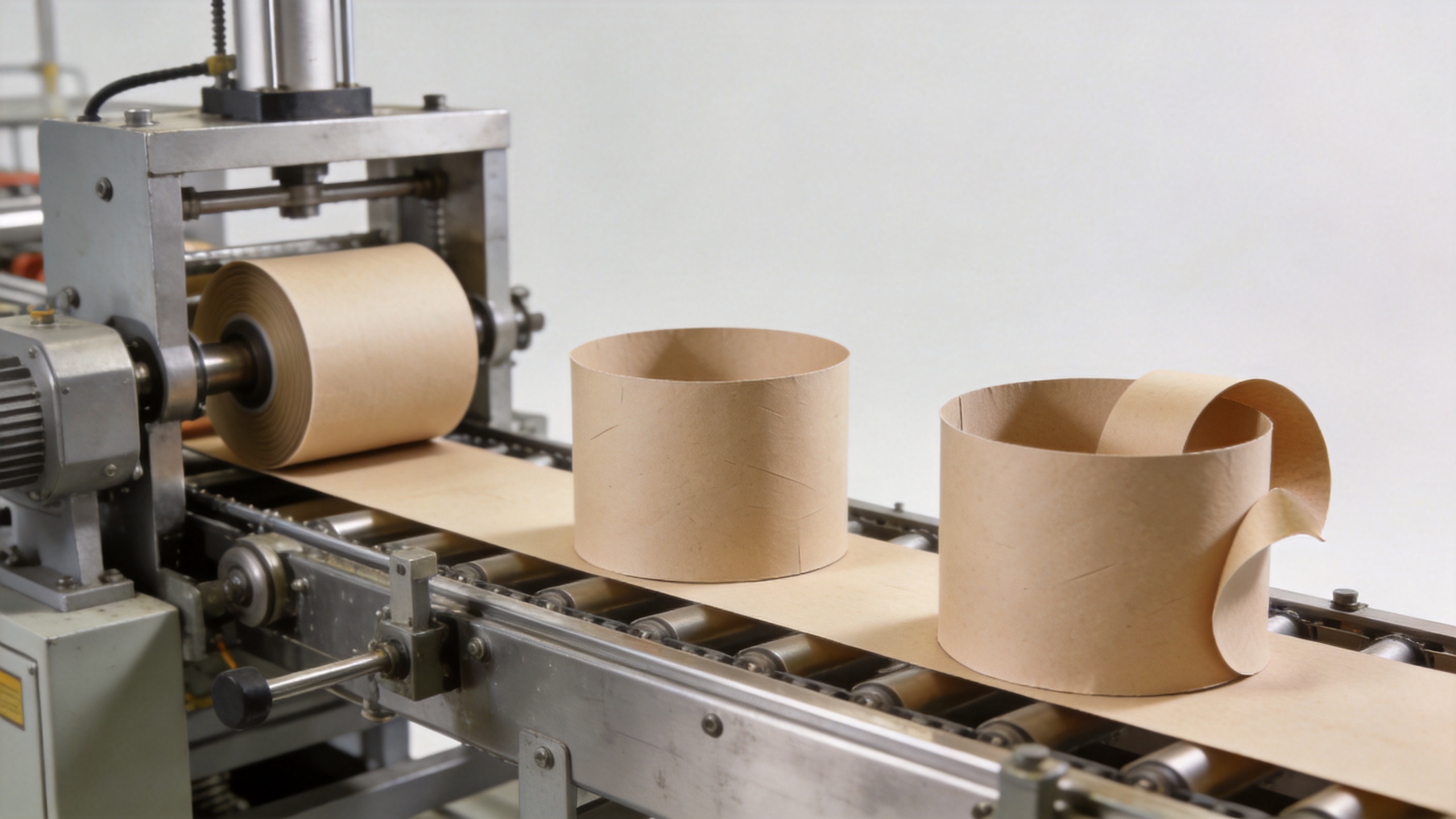
In a practical workflow, the paper cup glass making machine sits between material preparation and finished-cup handling. The exact arrangement varies, but the team can map the forming workflow in six checkpoints:
- Material release: confirm that the paperboard, coating, inks, and other relevant materials match the approved specification for the destination and application.
- Blank preparation: verify blank size, print registration expectations, and the condition of material before it enters the paper cup glass making machine.
- Sidewall and bottom forming: observe seam formation, bottom attachment, and heat-related settings as process conditions rather than assuming one setting suits every paper batch.
- Rim finishing: examine the curl and top edge for the agreed appearance and handling standard.
- Discharge and collection: make sure cup discharge, counting, transfer, and packing do not create a new bottleneck after the paper cup glass making machine.
- Sampling and records: record the material lot, cup format, settings approved by the plant, observed issues, and the action taken.
The benefit of this map is not a promise of output. It gives production, quality, and purchasing teams the same language for locating a variation: material, tooling, forming condition, handling, or inspection.
Use material documentation as an input to setup
For food-contact applications, the material question should be settled before routine production. In the United States, 21 CFR 176.170 addresses components of paper and paperboard intended for contact with aqueous and fatty foods, subject to its provisions. That does not mean every paper cup or every forming line is compliant by default. It means the plant should ask its material supplier for applicable documentation and confirm destination-market requirements for the finished application.
The same discipline applies to coatings and other converting inputs. A paper cup manufacturing company can attach material records to the approved sample and lot traceability record. If the paper supplier changes a relevant characteristic, the plant can decide whether a trial is needed before returning the material to normal scheduling. This is more useful than treating the paper cup glass making machine as the sole source of every cup-quality issue.
Set acceptance checks around the formed cup
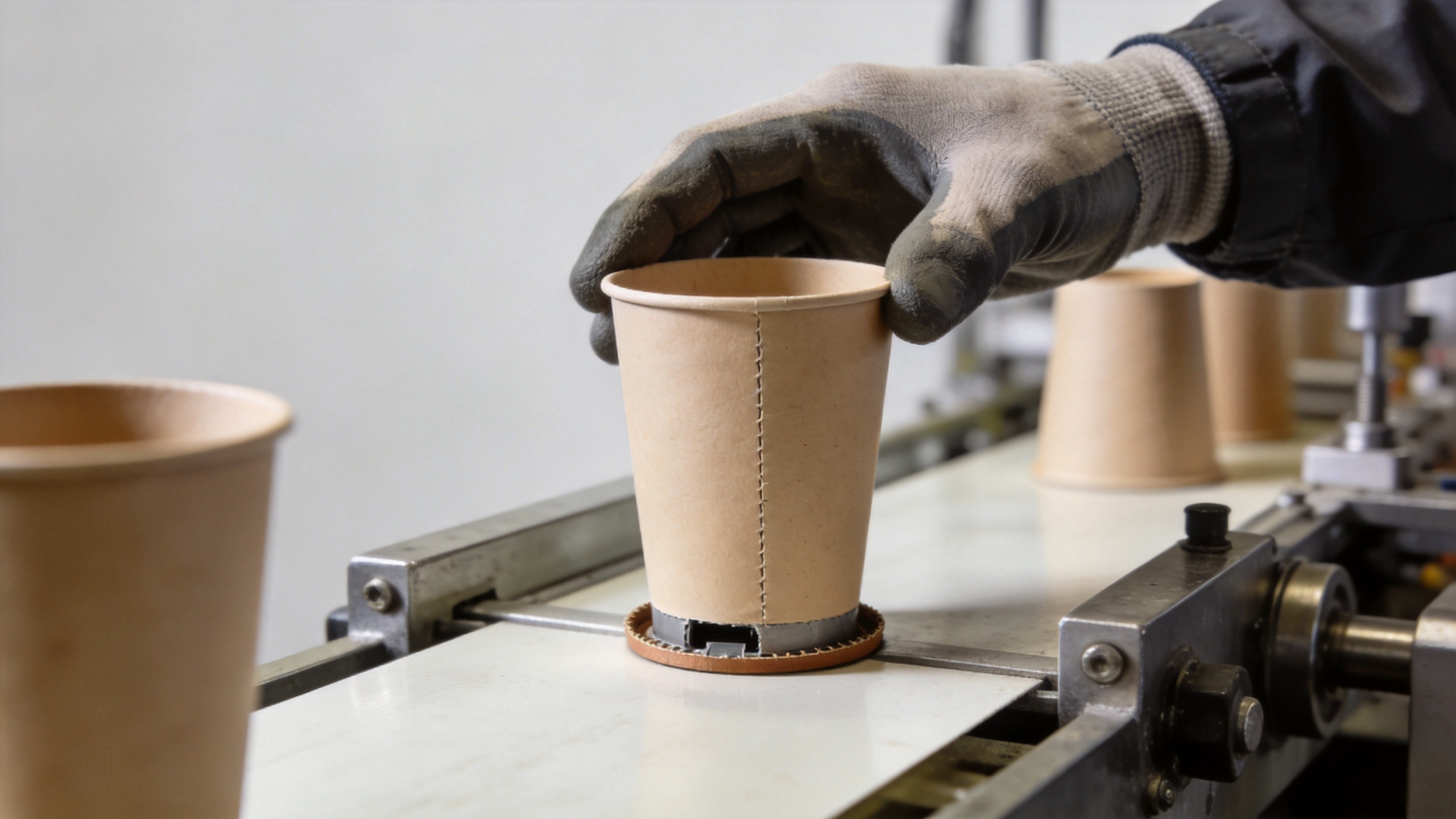
The plant’s review should focus on observable conditions. During setup and at planned intervals, an operator or quality representative can inspect side seams, bottom attachment, rim formation, print orientation where applicable, cup shape, and cleanliness. If a defect appears, the team should record what was observed rather than jumping directly to a machine conclusion. A crease might relate to blank condition or tooling alignment; a seal concern may require a review of material compatibility and process settings.
This is where the forming line becomes part of a controlled process rather than a stand-alone purchase. A plant operating within a documented food-safety system may use validation and verification routines appropriate to its own plan. ISO 22000 describes requirements for a food safety management system, but certification status and applicable controls must be confirmed by the plant, not assumed from equipment selection.
Plan changeovers and the handoff after forming
Many plants discover that the paper cup glass making machine is only one part of a changeover. New cup sizes or paper grades can affect blank supply, tooling, setup checks, sampling, packing materials, labels, and staff instructions. The plant can reduce confusion by using a short changeover sheet with three columns: confirmed items, items to verify during the trial, and the next action if a deviation appears.
Downstream planning deserves the same attention. The collection method, inspection table, packing pace, and storage area should be considered alongside the paper cup glass making machine. The forming stage may run steadily while an undersized collection or packing step causes scuffing, mixed counts, or an avoidable pause. Observing the transfer from discharge to packed carton gives the team a more complete view of line rhythm.
How the plant reviews the result
After a trial or initial production run, the team should review the paper cup glass making machine against the original conditions rather than against a broad marketing claim. Useful questions include:
- Did the approved material and cup format run under the documented setup conditions?
- Were seam, bottom, rim, and appearance checks recorded at agreed intervals?
- Could the collection and packing steps keep pace without compromising handling?
- Which issues were material-related, process-related, or still unresolved?
- What must be confirmed before the next format or paper batch is scheduled?
For a paper cup manufacturing company, this review turns a paper cup glass making machine from an isolated asset into part of a repeatable operating method. It also avoids a common error: assuming that higher quoted output automatically suits every cup design. The right production plan is the one the plant can document, inspect, and maintain under its real conditions.
A practical next step
Before requesting a quotation or planning a trial for a paper cup glass making machine, assemble the cup drawing or sample, material specification, intended use, desired production rhythm, changeover expectations, inspection points, and packing flow. A clear brief helps a supplier discuss suitable options, while the plant retains responsibility for site validation, material approval, and applicable compliance checks. That is a sound way to utilize a paper cup glass making machine with fewer assumptions and a clearer production record.
 ONLINE