
 EN

How Brands Utilize Paper Cup Making Machinery?
For a beverage, food-service, or packaging brand, paper cup making machinery is not simply a way to turn blanks into cups. It is part of a production system that connects package design, material selection, forming quality, and the pace of fulfillment. From a food-packaging application perspective, the useful question is not “What is the fastest machine?” but “What conditions must this line handle reliably for this brand’s cup program?”
That distinction matters because brands may sell hot drinks, chilled beverages, sampling portions, promotional cups, or food containers with different shapes and materials. A paper cup making machinery plan should therefore begin with the intended cup, the substrate, the expected production rhythm, and the changeover pattern. Equipment capability still matters, but it becomes meaningful only after those operating conditions are clear.
Brands Begin With the Package, Not the Machine Nameplate
Brands usually define a cup around customer use: capacity, rim feel, print design, lid compatibility, insulation needs, and the handling conditions expected after filling. Those choices influence the blank profile, paperboard and coating discussion, and the forming process. When a brand brings these requirements into an early paper cup making machinery discussion, engineering and procurement can compare configurations against the same target instead of comparing isolated feature lists.
This is also where a high speed paper cup making machinery option needs context. A high nominal output may be relevant for a stable, repeatable cup program, but it does not automatically make a line the better fit for frequent size changes, new material trials, or an upstream process with different limits. Brands can prevent a common mismatch by documenting cup diameters, heights, bottom profiles, paper specifications, coating type, print tolerances, and planned SKU changes before requesting a proposal.
How the Forming Process Supports Brand Requirements
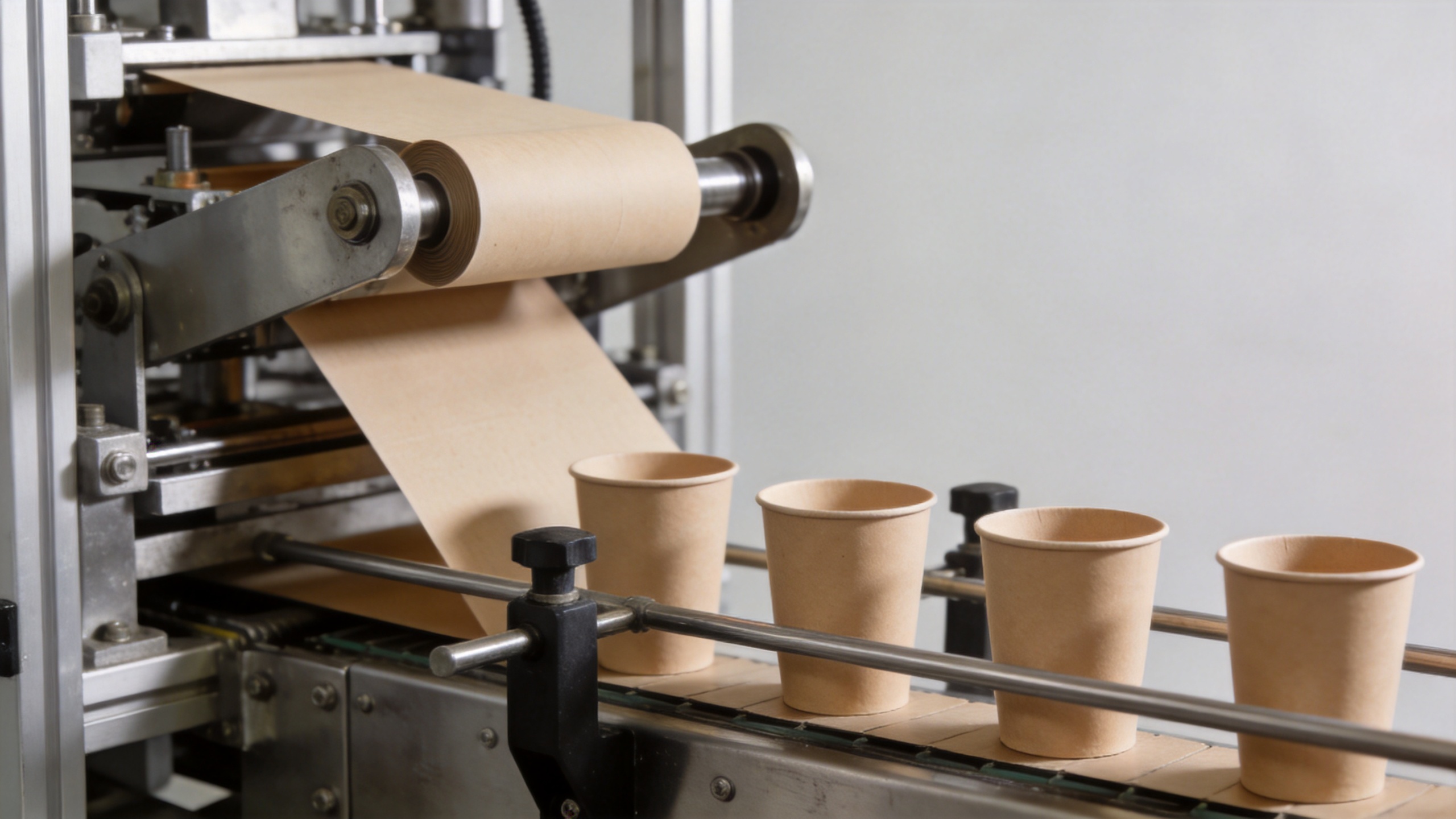
Although stations and controls vary by configuration, paper cup production generally moves through blank preparation, side-seam joining, bottom forming and attachment, knurling, and rim curling. Each stage gives brands a practical checkpoint. The forming section has to produce the intended body shape; the seam and bottom steps need to suit the material and application; and the finished rim must support the desired consumer experience and downstream handling.
For this reason, brands use paper cup making machinery as a process-control platform as much as a converting asset. During evaluation, they can ask how the selected setup will be reviewed with their actual cup sample and material. They can also identify which conditions must be verified during a trial: seam appearance, bottom integrity, rim consistency, cup geometry, and interaction with filling, stacking, or packing equipment. These are verification topics, not performance promises, and they help the project team set acceptance criteria earlier.
Where Printing, Die Cutting, and Forming Meet
Brand graphics create a second operating requirement. Printed and die-cut blanks need to arrive at forming in a condition that supports registration expectations and reliable feeding. That is why some projects consider the broader workflow around a paper glass and plate making machine, rather than looking at the cup former alone. The relevant scope may include print-to-forming handoffs, blank storage, material handling, and quality checks that keep design intent connected to a usable package.
A brand should not assume that a particular configuration will solve every upstream issue. Instead, it can map responsibilities: who confirms blank dimensions, who approves material samples, who checks print positioning, and who records deviations during the trial. This structured approach gives operations, design, and suppliers a shared way to distinguish a material issue from a forming issue.
Using High-Speed Capacity as a Business Decision
Brands commonly explore high speed paper cup making machinery when demand is consistent enough to justify a faster production rhythm. The case is strongest when the cup range, material supply, staffing, maintenance plan, and downstream packing capacity have been considered together. In that setting, paper cup making machinery can help support repeatable production planning, rather than creating a local speed increase that shifts congestion somewhere else on the line.
Before deciding, a team can compare several scenarios:
- Stable flagship SKU: assess whether the target cup and material are sufficiently consistent for a dedicated production rhythm.
- Multi-size program: identify how often cup formats change and what setup confirmation is needed between runs.
- Seasonal or promotional designs: coordinate printed blanks, inventory, and trial approval so branded graphics do not become a late-stage constraint.
- Export project: clarify required documents, support boundaries, and destination-market checks before the delivery plan is finalized.
The practical trade-off is clear: highest speed does not necessarily mean the right fit. A brand that values short runs or broad format flexibility may prioritize a different balance than a brand running one validated cup design at steady volume.
Quality and Compliance Belong in the Workflow
Food-contact requirements are another reason to organize paper cup making machinery decisions around verification. In the United States, the FDA explains that food-contact substances that are food additives must be authorized for their intended use before marketing. That general rule does not certify a cup, substrate, or machine; it signals why brands should confirm the relevant materials, coatings, intended use, and destination-market requirements with qualified parties.
On the shop floor, brands can translate that diligence into a simple control plan. Confirm the approved material specification, retain sample and batch records, define what the team will inspect at startup and during a run, and agree on how exceptions are recorded. A good paper cup making machinery project makes these handoffs visible. It does not rely on a broad claim that automated equipment is maintenance-free or universally suitable.
A Shared Checklist Makes Supplier Conversations More Useful
When discussing paper cup making machinery, brands gain better information when they provide a concise technical brief and request a structured response. Useful questions include:
- Which cup sizes, shapes, and materials are in scope for the first production stage?
- What samples, drawings, and blank specifications need to be reviewed before configuration is confirmed?
- How will side seams, bottoms, rims, and finished-cup consistency be evaluated during a trial?
- What changeover frequency should the project plan for, and what training or documentation is required?
- Which spare parts, maintenance checks, installation boundaries, and export documents should be confirmed before order release?
This checklist gives marketing, operations, procurement, and technical teams a common language. It also keeps the discussion focused on evidence and conditions rather than unverified claims.
Turning Equipment Into a Repeatable Brand Asset
Ultimately, brands utilize paper cup making machinery to connect a packaging concept to a controlled, repeatable production workflow. The most effective projects start with the end-use cup, test material and forming assumptions, coordinate printing and blank preparation, and set quality expectations before the line is expected to scale. Whether the project involves a high speed paper cup making machinery configuration or a wider paper glass and plate making machine workflow, the next step is the same: prepare the cup specification and verification questions, then review them with the equipment partner before committing to a configuration.
 ONLINE