
 EN
EN

How Enterprises Adopt Paper Production Machine?
Enterprise adoption of a paper production machine is rarely a one-machine decision. For food-packaging operations, the phrase can mean either paper-making equipment that produces paper from pulp or converting equipment that turns prepared paperboard into cups and containers. That distinction should be settled first. This article focuses on the second use: a paper-cup and packaging operation evaluating a paper production machine as part of a practical production system.
From a B2B procurement perspective, the useful question is not simply “Which machine is fastest?” It is “What operating conditions must the line meet, and how will we prove that it meets them?” Enterprises that work from that question make a clearer comparison of capacity, material compatibility, staffing, maintenance, waste handling, and acceptance conditions.
Start by defining the production job
Before comparing any paper production machine, write a short production brief. It should identify the cup or package formats, paperboard grades and coatings to be evaluated, expected production rhythm, planned shift pattern, quality checkpoints, and the degree of format change expected during a normal week. Search results around paper-cup lines commonly emphasize capacity, cup size flexibility, material compatibility, quality control, and factory setup. Those are useful planning headings, but they are not substitutes for a project-specific trial.
An enterprise should also map the boundaries of the line. Is the project intended to form cups from purchased paperboard, or to make paper from pulp? A conventional pulp-to-paper process is different from cup forming. Giving both systems the same name can create a costly mismatch in technical discussions. When the goal is food packaging conversion, an industrial paper production machine should be evaluated around forming, sealing, inspection, collection, and the movement of material between those steps.
Build a requirements matrix before discussing configuration
A requirements matrix turns a broad request for a paper production machine into a comparison that engineering, procurement, and production can all review. List each requirement, how it will be verified, who owns the decision, and what remains to be confirmed. For example:
- Product scope: target cup diameters, heights, shapes, and print or sleeve requirements.
- Material conditions: paperboard construction, coating type, blank quality, storage conditions, and any supplier variation to be tested.
- Production flow: feeding, forming, bottom sealing, rim processing, counting, packing, and the handoff to downstream equipment.
- Quality criteria: visual consistency, dimensional checks, seam integrity checks, reject handling, and traceability expectations.
- Operating readiness: operator training, changeover instructions, maintenance access, spare-parts planning, and escalation routes.
This avoids a common procurement error: comparing a headline output figure while leaving changeovers, material variation, or inspection responsibilities undefined. More accurately, output is meaningful only under recorded material, format, staffing, and maintenance conditions. A paper production machine should be compared on the conditions under which it can be accepted, not on an isolated claim.
Validate the line as a system, not as a standalone asset
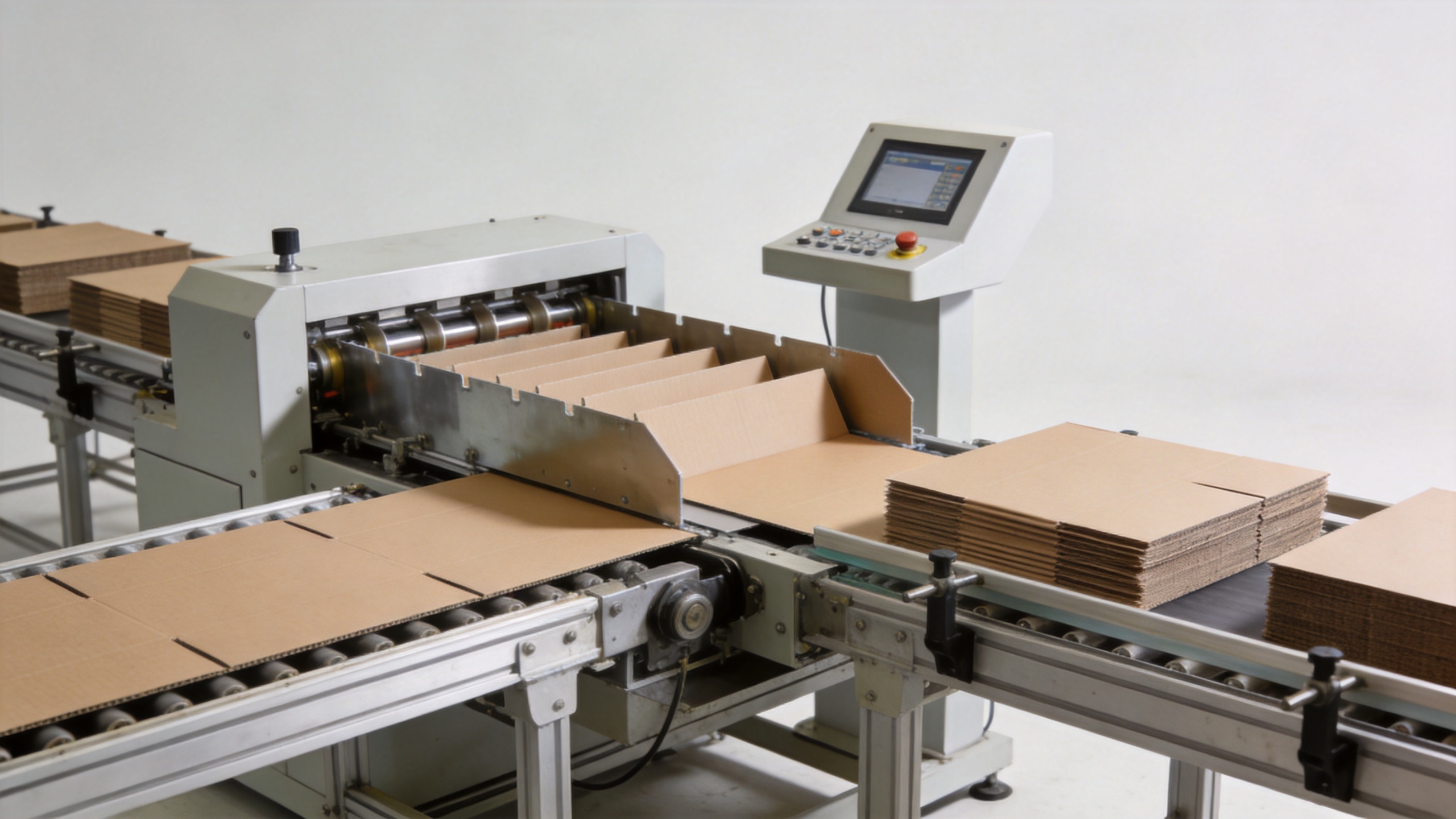
Many adoption problems emerge at interfaces. Paper blanks may arrive differently than expected; a packing station may set the actual line pace; or a rejected-product route may become unclear at volume. For this reason, teams should map upstream supply, the forming cell, quality checks, collection, packing, and waste flow before issuing a purchase order.
The same principle applies to an industrial paper production machine: its suitability depends on the entire operating path. Ask where operators load materials, where they inspect first-off samples, how they respond to alarms, and where products or trim go when they do not meet the agreed criteria. The answers help reveal whether a proposed layout supports the enterprise’s actual workflow.
Plan waste handling without confusing it with core capacity
A high speed shredder can be relevant when a facility needs to reduce offcuts, rejected paperboard, confidential printed material, or other approved waste streams. It should not be presented as a universal accessory or as evidence of forming performance. The correct fit depends on the waste type, volume, dust-control approach, material segregation rules, and the site’s recycling or disposal route.
When reviewing a high speed shredder, procurement teams should define the input material and check safe feeding, guarding, collection, cleaning access, planned maintenance, and the ownership of downstream waste handling. Do not assume that every cup-making scrap stream belongs in the same equipment. Coatings, contamination, and local disposal requirements may change the answer. This is a separate workstream from proving the performance of the paper production machine.
Use staged trials and measurable acceptance criteria
Enterprises adopt equipment more reliably when the project moves through defined gates. A useful sequence is document review, sample and material confirmation, a witnessed trial where feasible, site-readiness verification, installation planning, operator handover, and a monitored stabilization period. Each gate should end with a written record of what was checked, what passed, what remains open, and who will close it.
For a paper production machine, acceptance criteria should cover the agreed formats and materials, not just a generic demonstration. Record the material used, the settings tested, the duration of the run, the inspection method, the observed exceptions, and the required corrective action. If a supplier mentions compliance documentation or a destination-specific requirement, ask for the applicable document and confirm its relevance to the final project rather than assuming it applies.
Prepare people, spares, and governance early
Technology adoption becomes durable when the operating team owns it. Establish who can change settings, who approves a new material or format, how operators report recurring defects, and who maintains the first spare-parts list. A planned maintenance routine should include condition checks, cleaning responsibilities, consumables, wear items, and a way to record recurring symptoms.
It is also sensible to compare total operating implications rather than only the initial quotation. Training time, utilities, maintenance access, spare availability, floor layout, rejects, and the time required to change formats may all affect the business case. That does not guarantee savings; it gives the enterprise a more complete basis for deciding whether a paper production machine fits its target operating model.
Questions to resolve before final approval
- Which exact products, materials, and format changes are in scope for acceptance?
- What line interfaces, quality checks, and waste routes must work together?
- Which trial conditions and records will demonstrate that the paper production machine meets the agreed brief?
- What training, spare-parts, support, and escalation commitments need to be documented?
- Does the proposed high speed shredder match an identified waste stream and site safety process?
The strongest adoption plan is therefore a verification plan. Define the job, compare conditions rather than slogans, test the production path, and document the acceptance boundary. With that discipline, an enterprise can assess a paper production machine as an integrated production decision rather than a standalone purchase.
 ONLINE