
 EN

Paper Cup Glass Making Machine Core Advantages
For a production team, a paper cup glass making machine is valuable when it turns a defined cup specification into repeatable daily output. The important question is not simply whether a paper cup glass making machine can run fast. It is whether the machine, paper stock, tooling, and operating routine work together for the cup sizes and sales channels you plan to serve. That distinction helps buyers compare equipment on production value rather than on a headline claim alone.
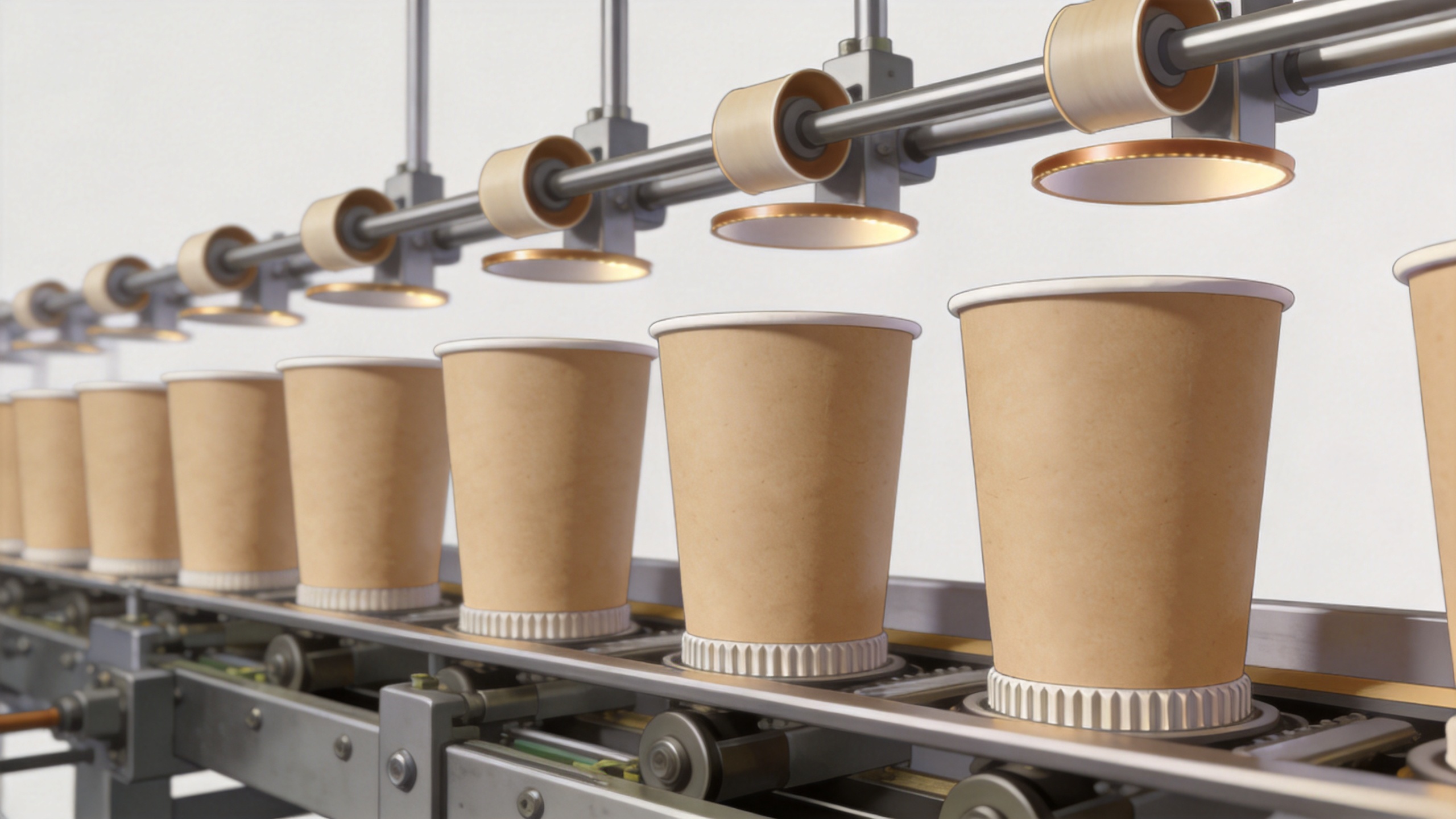
From an operator’s viewpoint, the practical test begins at the forming stations: can the team set up the target blank, observe the bottom seam, inspect the rim, and recognize a drift before a large quantity of material is affected? A well-matched forming line supports those checks with an orderly sequence of forming, bottom processing, knurling, curling, and discharge.
1. Automated forming creates a clearer production rhythm
The central advantage of a paper cup glass making machine is that it organizes repeated cup-forming actions into one coordinated process. Depending on the configuration, the workflow can include feeding prepared paper blanks, shaping the side wall, placing the bottom piece, sealing the bottom, knurling the joint, curling the rim, and discharging finished cups. When each stage is timed and monitored consistently, operators have a clearer basis for checking output than with a scattered manual process.
This matters for beverage, takeaway, food-packaging, and retail supply programs where the same cup format may be needed over many production runs. Automation does not remove the need for inspection. Instead, a paper cup glass making machine gives the team repeatable checkpoints for comparing samples at the start of a shift, after a material change, and after a tooling adjustment.
2. Bottom-seam control is a production advantage, not a minor detail
A cup is only as useful as its formed seams. In the usual process, bottom knurling reinforces the joint between the side wall and bottom, while top curling helps create a finished rim. That is why buyers should look beyond a general description of the equipment and ask how the forming stations are adjusted, accessed, and observed during normal operation.
For example, a purchasing checklist can ask for sample cups in the intended diameter and paper specification, then compare the bottom seam, rim, shape, and stacking behavior. More accurately, not every leak or shape variation is caused by the machine alone; paper stiffness, coating behavior, blank quality, mold condition, heat settings, and operator setup all deserve review. A capable paper cup glass making machine provides a stable platform, but the final result still depends on the complete process.
3. Material and cup-format flexibility can support changing demand
Many converters serve more than one drink size or customer program. A paper cup glass making machine may therefore be evaluated for its practical ability to accommodate planned cup diameters, heights, paper grades, and mold changes. The value is not in changing formats frequently for its own sake. It lies in matching the changeover approach to the actual order mix, crew skill, and time available between runs.
One common omission is failing to define changeover frequency before a purchase. A buyer who expects short runs for several cup sizes should discuss the relevant tooling, setup steps, trial material, and sample-approval routine before placing an order. For a higher-volume single format, the priority may be stable repeat production and a straightforward preventive-maintenance plan. In both cases, the proposed machine should be assessed against a written operating scenario rather than a generic feature list.
4. Process visibility helps reduce avoidable waste
Material waste can grow when a forming issue is noticed late. A production-oriented paper cup glass making machine should make routine observation practical: operators need clear access to key stations, an understandable adjustment sequence, and useful abnormal-condition prompts where available. Those features help a team react earlier when a seam, rim, or cup shape begins to vary.
This is also where training matters. Ask a supplier to explain what the operator should inspect at startup, during a material roll change, after a stoppage, and at the end of a shift. Ask which adjustments are intended for trained staff and which symptoms indicate that tooling or maintenance support is needed. ZheJiang RUIDA Machinery Co., Ltd. focuses on paper-cup and food-packaging equipment, including automatic paper cup machines and servo paper cup formers; a focused technical discussion should begin with your cup specification and process conditions rather than a promise based only on output.
5. Food-contact planning starts with the material system
When a cup will contact food or beverages, the forming equipment is one part of a wider material-control decision. The selected paperboard, coating or barrier layer, inks where relevant, and intended market requirements must all be reviewed. In the United States, 21 CFR 176.170 addresses components of paper and paperboard intended for contact with aqueous and fatty foods. That reference is a reason to verify the selected material system for the intended use; it is not a blanket approval for every cup or production line.
A useful pre-production file can include material specifications, the intended beverage temperature range, cup dimensions, destination-market expectations, and sample acceptance criteria. Bringing those details to a paper cup glass making machine discussion makes it easier to align tooling and process settings with the finished-cup requirement.
6. Service preparation protects the value of the equipment
Purchase cost is only one part of the operating picture. Before selecting the equipment, clarify the installation scope, commissioning steps, recommended spare parts, operator training, maintenance intervals, and remote or on-site support boundary. Ignoring the support boundary is another frequent procurement gap, especially when equipment will be installed across borders.
For international projects, establish who will prepare utilities, who will receive and inspect tooling, what documents are needed before shipment, and how the team will record early production observations. A paper cup glass making machine becomes easier to manage when responsibilities are written down before delivery instead of being inferred after commissioning.
A practical comparison checklist
- Define the cup sizes, paper grades, coatings, and expected order mix.
- Review the forming sequence and inspect samples from the intended material.
- Ask how the paper cup glass making machine handles setup, observation, and controlled adjustments.
- Confirm mold-change expectations, spare-parts planning, and routine maintenance tasks.
- Document food-contact material responsibilities for the destination market.
- Clarify training, installation, and support responsibilities before finalizing the project.
What about search terms buyers may use?
Terms such as water paper cup glass making machine and kagaj ka gilas banane wala machine often point to the same underlying need: a practical way to form disposable paper beverage containers. The useful next step is to replace a broad search phrase with measurable project inputs—cup drawing, paper structure, required tooling, target output pattern, and support expectations. That approach gives suppliers enough detail to advise on a suitable paper cup glass making machine configuration.
Conclusion
The core advantages of a paper cup glass making machine are structured automation, observable forming stages, format planning, and a repeatable basis for quality checks. The right choice is conditional on your materials, cup design, tooling plan, and operating discipline. Start by organizing those inputs, then use sample review and a documented support plan to make a sound comparison.
 ONLINE