
 EN

Paper Cup Making Machinery Industry Outlook
Paper cup making machinery is moving from a simple capacity purchase toward a line-readiness decision. Search results still foreground speed, automatic operation, and individual machine models. Those are useful starting points, but they do not answer whether a configuration fits the intended cup, paper stock, labor model, downstream handling, or destination-market documentation. From a food-packaging application perspective, a productive review starts with the cup’s end use and works backward through the forming process.
The outlook for paper cup making machinery is therefore less about a single headline specification and more about how suppliers and buyers validate operating conditions. A single paper cup machine can be a sensible route for a focused format and stable demand. Industrial paper cup making machinery becomes a broader planning question when multiple cup types, staffing constraints, material variation, and collection or packing steps must work together.
Why the market is asking more detailed questions
Paper cup making machinery is being evaluated by a wider mix of businesses: established packaging converters, food-service suppliers adding capacity, and buyers looking for a defined production format. This changes the conversation. Instead of asking only, “How many cups per minute?” teams increasingly need to ask which cup diameters, heights, rim details, and paper grades are in scope. If the answers are incomplete, a speed comparison has limited value.
That shift matters because paper cup making machinery links several conditions at once: blank quality, side-seam formation, bottom insertion, heating or sealing steps, rim handling, inspection, and cup discharge. A reported output figure is meaningful only alongside the tested cup specification, material construction, and operating assumptions. More accurately, high nominal speed is not automatically the right fit when frequent format changes or variable paper stock are part of the plan.
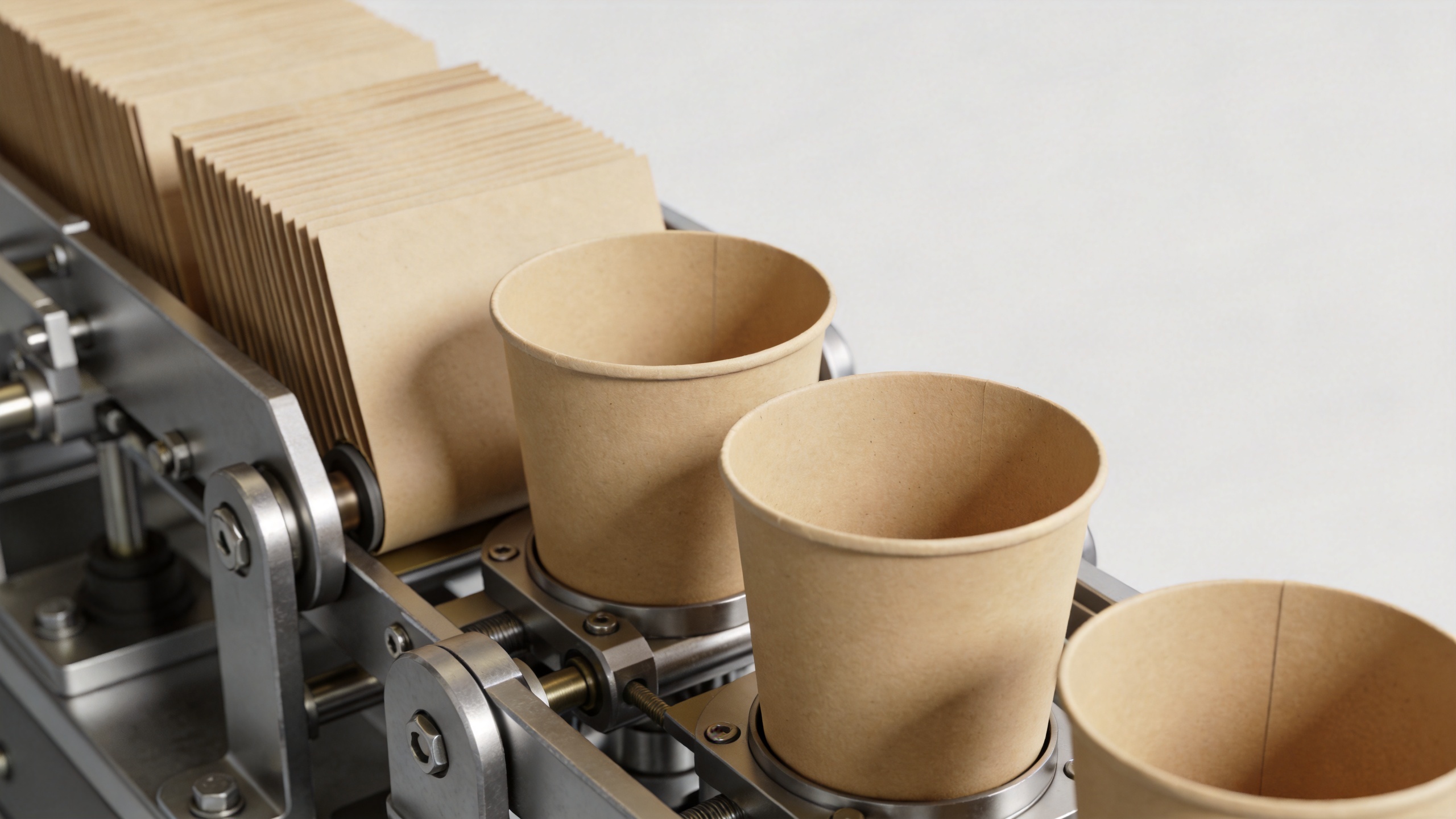
Outlook signal 1: capacity claims will be judged by usable output
For paper cup making machinery, buyers are likely to focus more on usable output than on an isolated maximum figure. Usable output includes the time taken for setup, changeover, material replenishment, routine checks, and handling of cups after they leave the forming area. This is especially relevant when a facility expects short runs or seasonal format changes.
A single paper cup machine may make sense where one cup format dominates and the team can keep the material specification controlled. In that case, the request for quotation should define the intended cup samples, paper type, coating or barrier construction, target operating rhythm, and acceptance observations. For a wider range of formats, the paper cup making machinery discussion should include what changes between jobs, who performs the change, and what trial process will be used before production starts.
Outlook signal 2: material fit is becoming a commercial as well as technical issue
Paper cup making machinery does not determine food-contact compliance on its own, yet it has to work with the paperboard, coatings, inks, and converting process selected for the product. For example, U.S. rules in 21 CFR 176.170 address components of paper and paperboard intended for contact with aqueous and fatty foods under specified conditions. In the European market, Regulation (EC) No 1935/2004 provides a framework for food-contact materials. These references are not proof that a machine or a finished cup meets a requirement; they show why the project team should clarify material documentation and market obligations early.
For industrial paper cup making machinery, this means the material conversation should not be left until after equipment selection. Ask how the proposed process will be reviewed with the actual paper stock and cup design. Confirm which parties supply material declarations, what samples will be examined, and which results still require customer-side or specialist verification. A practical outlook is that documentation discipline will increasingly separate a workable project from a loosely defined equipment inquiry.
Outlook signal 3: automation will be compared with maintainability
Automation remains important in paper cup making machinery, but it is not the same as unattended production. Controls, sensors, and automated handling can support a steadier process when they suit the operating environment. They also create a need for clear fault messages, cleaning access, spare-parts planning, and operator training. A useful factory observation is whether material feeding and cup collection appear coordinated during the intended workflow, rather than judged in isolation.
When comparing a single paper cup machine with a larger line concept, buyers can map responsibilities by shift: who loads materials, performs changeovers, checks formed cup edges, responds to alarms, and records abnormalities? This is not a reason to avoid advanced paper-cup forming equipment. It is a way to determine whether the automation level matches the maintenance resources available after commissioning.
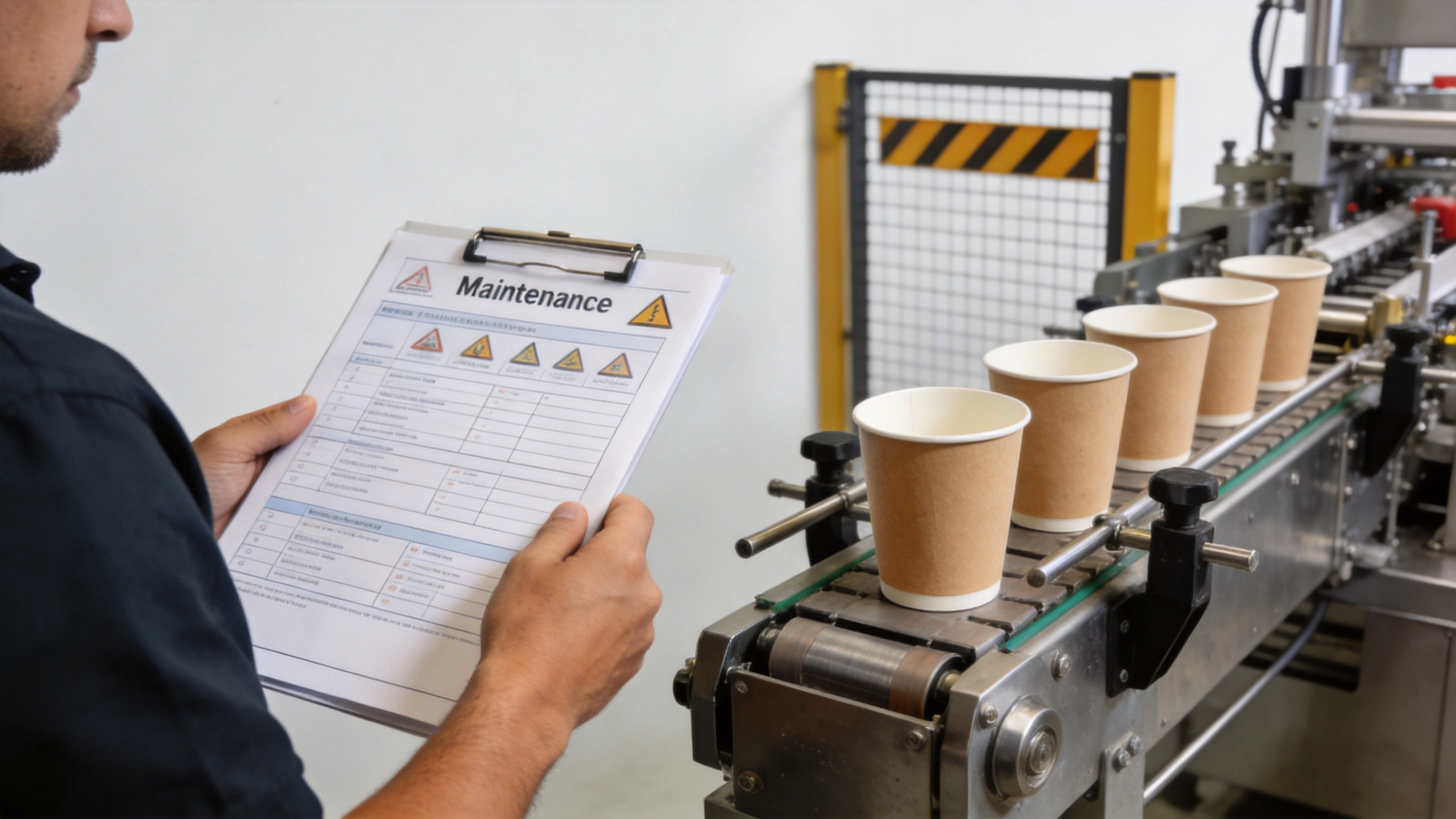
Outlook signal 4: safety reviews will move earlier in the buying process
Industrial the forming system involves moving mechanisms, heated areas, electrical systems, and operator access points. ISO 12100:2010 sets out general principles for machinery risk assessment and risk reduction. It should be treated as a question framework, not as an unverified statement about any particular machine. Buyers can ask suppliers how hazards, safeguarding, emergency stops, access during adjustment, and maintenance tasks are assessed for the intended installation.
This approach also makes project conversations more useful. Rather than requesting a generic safety statement, a buyer can identify the planned layout, local rules, operator routes, cleaning tasks, and foreseeable interventions. cup-forming equipment that is suitable for one installation may need different guarding, controls, or operating instructions in another. Early clarification helps the parties define what is included, what needs local confirmation, and what evidence is expected before acceptance.
How to evaluate the outlook without over-reading the trend
The outlook for paper-cup forming equipment points to more conditional buying decisions, not one universal configuration. A structured comparison can include:
- Product scope: cup sizes, shapes, paper grades, barrier construction, print requirements, and expected changeover frequency.
- Production rhythm: target output, planned shifts, expected setup time, material replenishment, and downstream collection or packing constraints.
- Validation method: sample availability, trial conditions, acceptance observations, and items that remain to be confirmed.
- Operational support: training needs, maintenance tasks, spare-parts list, troubleshooting path, and remote-support boundaries.
- Market readiness: food-contact material documentation, local safety responsibilities, shipping records, and destination-specific checks.
For the equipment configuration, the important comparison is often not “fast versus slow.” It is whether the proposed setup can make the required cup consistently under agreed conditions. That distinction is useful for both a a focused single-machine setup purchase and an industrial the forming system project with wider line interfaces.
A practical next step for buyers and suppliers
Start a cup-forming equipment inquiry with a short confirmation sheet: intended cup drawings or samples, paper specification, annual and shift-level demand, format-change expectations, utilities, site layout, and target market. Then separate confirmed facts from items still requiring trials or technical review. This creates a more useful basis for comparing paper-cup forming equipment proposals and discussing service scope.
The near-term industry outlook favors teams that connect the machine decision to the finished cup and the full operating routine. For industrial the equipment configuration, that may mean planning interfaces and verification stages earlier. For a a dedicated cup-forming unit, it may mean defining the production envelope more carefully. In either case, the next sound step is to turn assumptions into a shared, testable checklist before final configuration decisions are made.
 ONLINE