
 EN

What Makes Paper Cup Glass Making Machine Unique?
A paper cup glass making machine is not unique simply because it runs automatically or lists a high output. Its real distinction is how well its forming sequence, material handling, control logic, and inspection points work together for a defined cup. From a packaging-equipment selection perspective, the useful starting point is the cup format, paperboard, coating, and production rhythm—not a brochure headline.
That distinction matters whether you call the equipment a paper drinking glass maker or a paper cup former. Two machines can appear similar on a feature list yet behave differently once they must heat, fold, seal, knurl, curl, and discharge a specific material and cup geometry. A useful comparison turns those steps into checks the buyer can actually discuss and observe.
The Unique Part Is the Forming System, Not One Isolated Feature
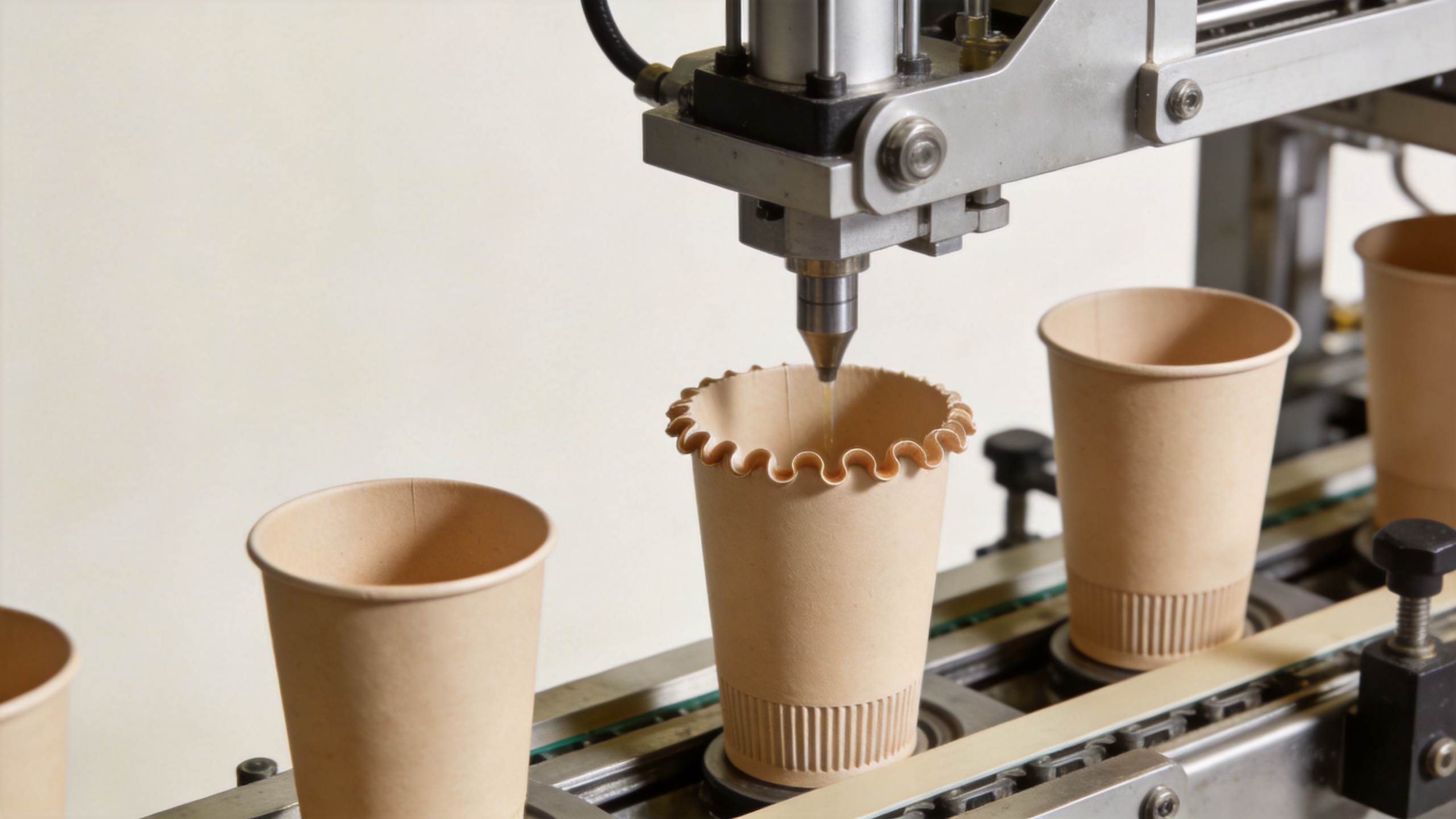
A paper cup glass making machine converts printed or unprinted cup blanks into usable containers through linked stations. The sequence commonly includes blank feeding, side-seam joining, bottom insertion, bottom heating and knurling, rim curling, inspection, and cup collection. What makes the equipment meaningful for a factory is the coordination among those stations. A fast feeder is of limited value if seams, bottoms, or rims cannot remain consistent at the intended operating conditions.
For that reason, compare the workflow rather than just the claimed speed. Ask which movements are mechanically synchronized, how settings are displayed, where an operator can observe the process, and how a fault is identified. A fully automatic paper cup glass making machine should make routine operation more repeatable, but automation does not remove the need to confirm tooling, material behavior, and inspection practice.
Material Compatibility Creates the First Real Difference
Paperboard is porous, so cups intended for drinks commonly rely on a barrier layer. That layer may be PE, PLA, or another suitable coating, depending on the application and market requirements. The important point is not to assume that every paperboard-and-coating combination will behave identically in every paper cup glass making machine. Heat response, stiffness, thickness, coating distribution, blank accuracy, and storage conditions can influence feeding, sealing, and final shape.
A capable forming system therefore needs an evaluation process for the target material. Before selecting a configuration, provide the supplier with cup drawings, paperboard details, coating information, sample blanks, and intended hot or cold use. More accurately, a cup issue may arise from more than the machine: the material, tooling, temperature settings, and operating method should be checked together. This is one reason a paper drinking glass maker should be assessed with actual samples when possible.
Quality Comes From Verifiable Forming Control
The most useful uniqueness test is not whether a supplier promises flawless cups. It is whether the supplier and buyer can define what acceptable cups look like and how they will be checked. A practical review can include bottom sealing, visible leakage risk, rim shape, cup height, roundness, side-seam appearance, and the position of printed artwork when printed blanks are used.
Each point connects to a process decision. Heating and folding affect the seam; bottom insertion and knurling affect the base; curling affects drinking comfort and rim consistency. When comparing a candidate machine, ask how settings are adjusted, which parameters operators record, and how first-off, in-process, and changeover samples are reviewed. That gives the feature discussion a practical acceptance basis.
| What to compare | Why it matters | Question to ask |
|---|---|---|
| Material path | Paperboard and coating can affect feeding and sealing. | What sample material should be trialed before configuration is confirmed? |
| Forming stations | Seam, base, and rim quality depend on coordinated steps. | Which station settings can be observed and adjusted during a trial? |
| Inspection method | Output claims need a repeatable quality reference. | How are seal, roundness, height, and leak-risk checks documented? |
| Changeover approach | Tooling and setup time influence multi-format planning. | Which parts change for a new cup size or shape, and what must be rechecked? |
Automation Is Valuable When It Supports the Operator
A fully automatic paper cup glass making machine is often evaluated for labor reduction and production continuity. Those are valid goals, but the stronger question is whether automation makes exceptions easier to see and resolve. Clear status information, accessible adjustment points, orderly discharge, and sensible safety interlocks can help an operator react before an issue becomes a larger waste batch.
When examining one, look at the normal operating path and the abnormal path. How is a missed blank, an unstable seam, or an out-of-shape cup noticed? What happens after a stop? Can the team separate a material-related problem from a machine-setting problem? These questions tell a buyer more than using “automatic” as a shorthand for suitability.
Flexibility Must Be Matched to Real Cup Demand
Many buyers want equipment that can serve several cup sizes or applications. Mold and tooling changes can create flexibility, but flexibility has a cost in setup, verification, operator training, and scheduling. If one format runs most of the time, a stable single-format plan may be more useful than excessive changeover capability. If the business regularly switches sizes, the changeover sequence deserves a live demonstration.
Watch whether the changeover actions are orderly, then ask which quality checks restart after the tooling change. A paper drinking glass maker may be a good fit only after the buyer confirms cup diameter, height, bottom size, paper specification, and output expectations for each format. Do not compare a multi-format option solely by the number of advertised molds.
A Buyer Checklist for Comparing a Paper Cup Glass Making Machine
- Define the intended cup formats, beverage use, paperboard, coating, and print requirements.
- Ask for a trial plan using representative blanks and agreed inspection points.
- Review the forming path from blank feed through discharge in the proposed system.
- Confirm how the team will assess seams, bottoms, rims, roundness, height, and leak risk.
- Clarify the tooling scope for each cup format and the checks required after changeover.
- Discuss training, routine inspection, wear parts, remote communication, and service boundaries before purchase.
RUIDA Machinery focuses on paper-cup and food-packaging equipment communication. For any paper cup glass making machine project, a useful inquiry starts with the cup drawing, material sample, target production rhythm, and the acceptance items that matter to your operation. This is a more dependable starting point for technical discussion than a broad claim about speed or quality.
Conclusion
What makes a paper cup glass making machine unique is its ability to turn a defined material-and-cup requirement into a controllable, inspectable forming process. The appropriate choice is not automatically the most feature-heavy option. It is the machine whose material fit, forming controls, operator workflow, changeover plan, and quality checks can be demonstrated for your use case. Start by documenting your requirements, then use a sample-based discussion to compare the options with confidence.
 ONLINE