
 EN

Where Paper Cup Glass Making Machine Shines?
Choosing a paper cup glass making machine makes the most sense when a producer needs repeatable forming for a defined family of disposable beverage cups. The useful question is not whether the machine is “fast” in isolation. It is whether its forming sequence, tooling, paper stock, staffing plan, and downstream packing rhythm fit the cups that will actually be sold. From a packaging-equipment selection perspective, start with cup geometry and material behavior; then compare configurations.
That distinction matters for converters, food-service packagers, and businesses supplying cafés or takeaway counters. A machine may be appropriate for a focused range of hot-drink cups, cold-drink cups, or paper glasses, but the decision becomes less clear when one line must cover many diameters, heights, coatings, and print designs. Below is a practical way to identify where a paper cup glass making machine adds value and what to confirm before committing to a configuration.
The production settings where it fits naturally
1. Recurring beverage-cup programs
A paper cup glass making machine is well suited to operations with recurring orders for a limited set of cup sizes. Coffee shops, quick-service beverage programs, canteens, event suppliers, and regional packaging distributors often need steady replenishment rather than one-off novelty formats. When the target cup dimensions and paper specification are stable, operators can build repeatable setup, inspection, and packing routines around them.
This is especially relevant for disposable coffee cup manufacturers that serve several customers using similar sizes. The production advantage is not simply a stated output figure. It comes from reducing uncertainty around blank feeding, side-seam formation, bottom attachment, knurling, curling, and cup discharge for the established specification. If a customer portfolio changes frequently, confirm the mold-change procedure and the practical time and material loss associated with each change.
2. Lines with a defined cup-design envelope
The machine shines when the product team has already set the cup’s rim diameter, bottom diameter, height, paper weight, coating, and intended use. Those choices affect whether the cup can be formed consistently and whether it performs as expected after filling. A manufacturer should not treat a nominal cup-size range as proof that every design inside that range will run the same way.
For example, tall cups, wider-mouth cups, or cups with demanding printed registration may introduce different handling requirements. It is more accurate to ask a supplier to review actual cup drawings and material samples than to select a line based solely on a catalog label. This approach turns a paper cup glass making machine from a generic purchase into a configuration matched to a documented production envelope.
3. Projects that value process visibility
Food-contact cup production requires attention beyond the forming machine. Raw-material checks, coating behavior, printing inks, and the settings used for cup sealing all need a defined control plan. A useful line discussion therefore includes what the operator can inspect during production, how rejects are separated, and how the team records settings for each approved cup specification.
Some search-result previews describe machine functions such as bottom folding, punching, knurling, rim curling, and automatic discharge. These functions are helpful only when they are validated with the intended paper stock and cup design. Ask to see how the proposed sequence supports your own acceptance checks rather than assuming every feature produces the same result on every material.
When ultrasonic forming deserves a closer look
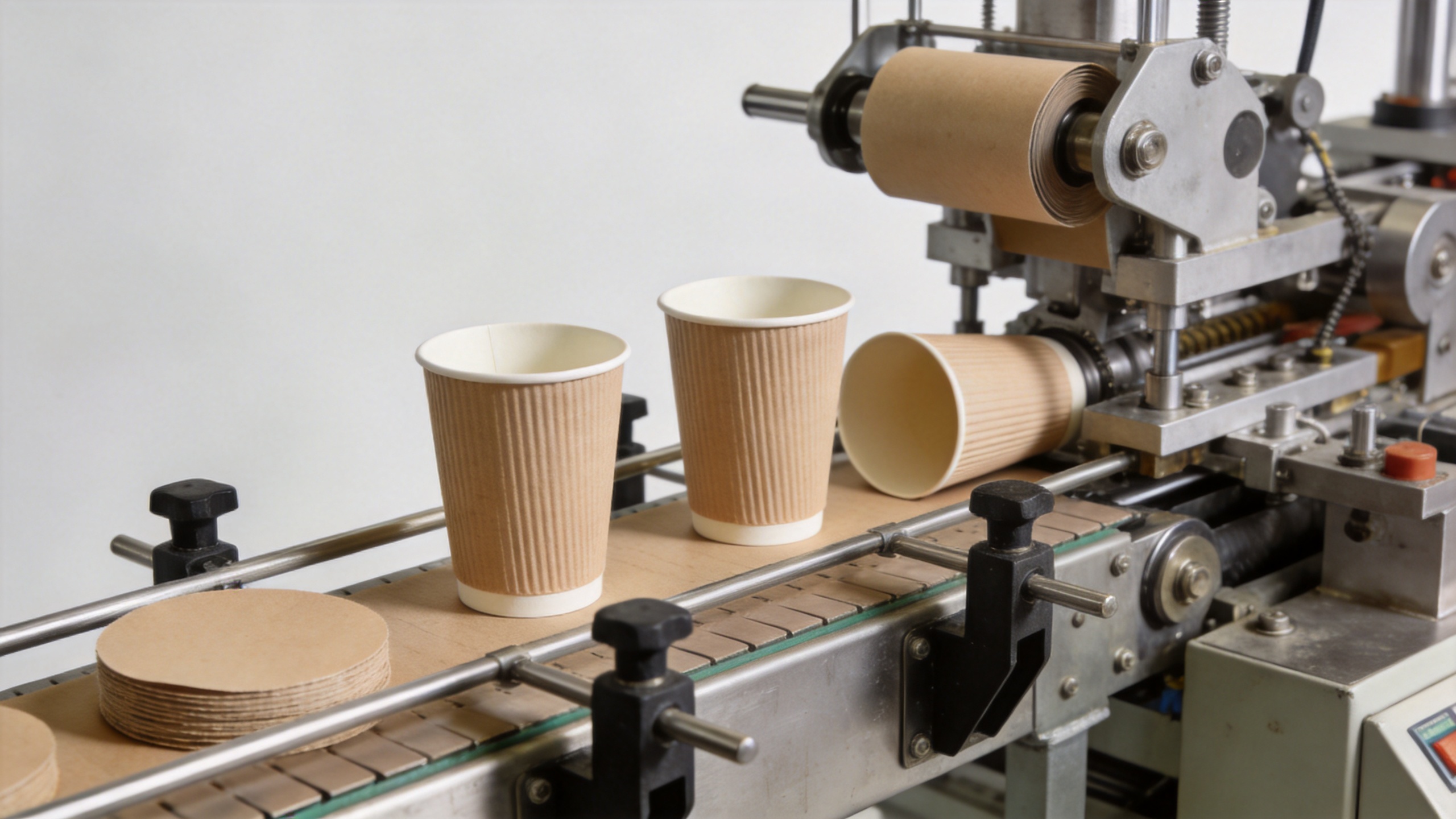
An ultrasonic paper cup glass making machine may deserve evaluation where the intended production method, cup material, and seam requirements have been specified before the review. Ultrasonic sealing is not a universal substitute for reviewing the whole forming process. The practical issue is whether the sealing approach works with the selected coated paper, the side-seam design, and the desired appearance after forming.
Before selecting an ultrasonic paper cup glass making machine, prepare sample blanks and define the checks that matter: seam appearance, leak testing method, cup stiffness, and repeatability after normal production stops and restarts. If the project involves multiple paper sources or seasonal material variation, include those conditions in the trial plan. This is where a controlled sample run can reveal more than a general feature list.
A scenario comparison for buyers
| Operating scenario | Why the machine may fit | What to verify first |
|---|---|---|
| Stable coffee-cup sizes | Repeat runs can support standardized operating routines. | Tooling, paper specification, and expected changeover frequency. |
| Regional supply for cafés and caterers | Demand is often organized around recurring beverage formats. | Order mix, packing flow, storage space, and inspection points. |
| Several cup styles from related tooling | Mold changes may broaden the usable product range. | Actual changeover work, trial results, and scrap during adjustment. |
| New branded cup launch | Equipment can be assessed against a clearly defined prototype. | Printed-blank handling, registration expectations, and approval tests. |
The table is a starting point, not a substitute for a production trial. A SERP preview may state a model-specific range such as 60 to 130 cups per minute, yet real output depends on the cup, material, operator routine, and accepted quality level. Use any quoted range as a question for validation, not as a promised line result.
Questions to ask before you source
- Which finished cup sizes, rim profiles, and paper specifications will represent most of the monthly volume?
- Can the supplier run representative blanks and document the agreed inspection method?
- What tooling is included, and which future cup formats require additional molds or adjustments?
- How are start-up scrap, routine cleaning, and changeover tasks handled on a normal shift?
- What information do disposable coffee cup manufacturers need from buyers before they can confirm an appropriate forming setup?
- Where will packing, counting, and quality checks sit relative to the forming machine?
Make the machine fit the workflow, not just the product list
A paper cup glass making machine performs most clearly in a workflow with a known cup family and a disciplined plan for material confirmation, inspection, and changeovers. It can be a sensible fit for repeat beverage-cup production, but it is not a shortcut around design validation or supplier communication. Start with the cups you need to make, turn that information into a testable specification, and compare the equipment against the full line rhythm—from blank supply through final packing.
For buyers considering an ultrasonic paper cup glass making machine, the same principle applies: request a trial tied to the actual blank and acceptance criteria. That process gives procurement and production teams a shared basis for deciding whether the configuration fits their intended market.
 ONLINE