
 EN

Why Disposable Paper Cup Making Machine Sells?
Paper-cup forming equipment sells because it answers a practical packaging need: beverage sellers, converters, and regional distributors need a repeatable way to turn prepared paper blanks into cups. A single speed figure does not explain the demand. It comes from the need to match cup formats, paper construction, production rhythm, and downstream packing with a purchase decision that can be checked before an order is placed.
From a B2B procurement perspective, a disposable paper cup making machine is attractive when it gives a buyer a clearer route from market demand to controlled production. Coffee, tea, water, sampling, and takeaway applications can require different sizes, rim profiles, and material combinations. That variety gives buyers a reason to compare forming equipment rather than rely only on outside supply.
It turns a visible product need into a production option
Disposable cups are familiar to end users, but the manufacturing decision sits behind the counter. A disposable paper cup making machine allows a converter to assess whether recurring orders justify bringing forming work closer to its own operation. The appeal is strongest where a buyer has defined cup sizes, repeatable order patterns, and a reliable source of suitable paper blanks.
Search results for this category repeatedly focus on automatic feeding, side sealing, bottom forming, heating, knurling, and curling. That tells us what buyers want to understand: not merely whether equipment exists, but whether its sequence suits the cup they intend to sell. A machine is therefore a process purchase, not just a piece of equipment.
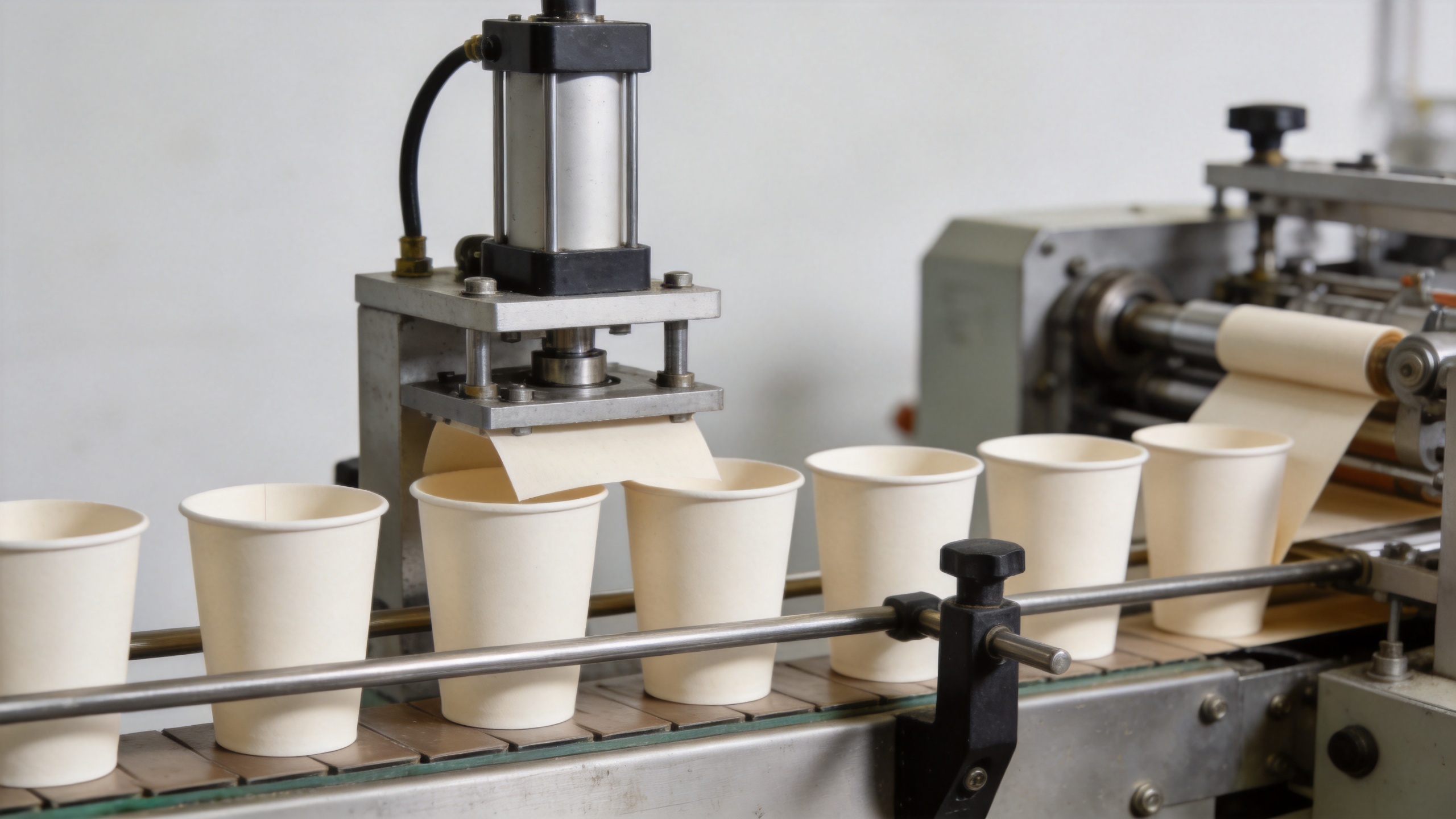
Why automation matters, but only after the job is defined
An automatic disposable paper cup making machine can reduce the number of manual handling points in a forming sequence. Yet automation is valuable only if the chosen tooling, paper, coating, and target cup shape work together. Before comparing speed claims, buyers should record the cup diameter, height, bottom shape, intended beverage use, paper specification, and expected changeover frequency.
This changes the conversation from “Which machine is fastest?” to “Which disposable paper cup making machine can be validated for our actual work?” That is an important distinction. A high nominal output is not the same as a verified output under a buyer’s material and operating conditions. Ask suppliers how a sample run, acceptance criteria, rejected-cup handling, and operator training will be defined.
Product variety creates room for the investment
A disposable paper cup making machine can support a product program rather than one isolated SKU when the buyer plans tooling and changeovers carefully. A café distributor may need hot-drink cups and cold-drink cups; a food-packaging business may want seasonal graphics or customer-specific formats. The commercial value comes from being able to serve these requirements with a controlled production plan, not from claiming that every format fits one configuration.
The adjacent terms biodegradable disposable plate making machine and paper napkin making machine are relevant here because many buyers think in terms of a broader disposable-food-service range. A biodegradable disposable plate making machine may be part of a separate investment decision, while a paper napkin making machine can serve another consumable category. They should not be treated as interchangeable processes; each calls for its own material, tooling, output, and quality checks.
Material decisions make the machine sale more consequential
A disposable paper cup making machine is bought alongside a material plan. Paper weight, coating or barrier approach, print treatment, and the intended food-contact use should be discussed together. In the United States, Title 21 CFR Part 176 contains provisions for indirect food additives used as paper and paperboard components, including provisions for contact with aqueous, fatty, and dry foods. That is not a blanket approval for any cup or any market; it is a prompt to confirm the relevant materials, documentation, and destination requirements.
Material planning also affects sustainability discussions. Paper cups may contain more than one material layer, and local collection and separation capabilities differ. For that reason, a disposable paper cup making machine should not be marketed with an unsupported recycling claim. Buyers can instead clarify the paper structure, the end market’s collection conditions, and the claims that can be substantiated for the finished product.
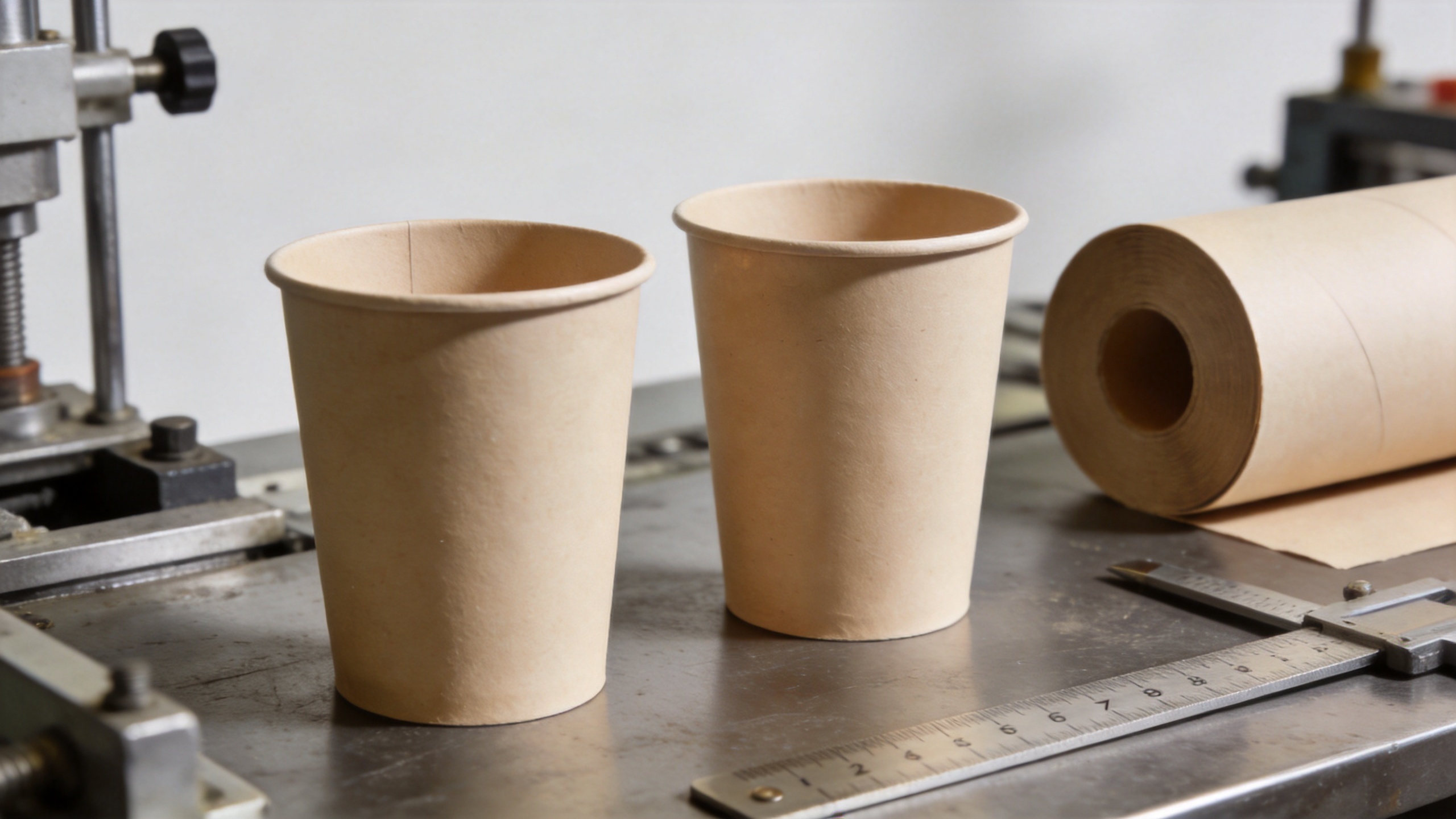
The buying case is about total ownership, not the lowest quote
Why does a disposable paper cup making machine sell even when lower-cost alternatives appear available? Because a serious buyer compares the whole operating picture: tooling, spare parts, commissioning scope, training, planned maintenance, changeover time, material waste, packaging flow, and support communication. A lower initial quote can be less useful if those items remain undefined.
Use this practical evaluation list when reviewing a disposable paper cup making machine:
- Confirm the exact cup drawings, sample requirements, and acceptable tolerances.
- State the paper, coating, and print conditions that will be used in validation.
- Separate nominal output from the conditions required to demonstrate stable production.
- Define tooling included now and options needed for future sizes.
- Ask for a clear scope for installation guidance, training, spare parts, and troubleshooting.
- Agree on acceptance records before shipment rather than after delivery.
These questions make a disposable paper cup making machine easier to buy because they reduce ambiguity. They also help a supplier prepare a proposal that is based on the application rather than on generic promises.
Why buyers look beyond one machine
The category sells because it can fit into an expanding packaging operation. A buyer evaluating a disposable paper cup making machine may later assess printing, blank supply, inspection, packing, or other food-service products. This does not mean every project needs a full line on day one. It means the initial configuration should leave room for a sensible next step if demand is proven.
For example, it may be useful to compare the commercial role of a biodegradable disposable plate making machine with the role of a paper napkin making machine, but each should stand on its own forecast. Demand for plates, cups, and napkins may overlap at the distributor level, while their production processes and purchasing risks differ. Keeping those decisions separate avoids an overextended investment plan.
A better way to qualify demand
Instead of asking whether a disposable paper cup making machine is popular, ask whether a defined cup program can support it. Start with monthly demand by size, then identify the paper specification, print needs, available labor, utilities, quality checkpoints, storage space, and route to market. Next, request a technical discussion based on those inputs. It gives a buyer more to work with than selecting from a catalog before the production conditions are clear.
ZheJiang RUIDA Machinery focuses on paper-cup and food-packaging equipment directions, including automatic paper cup machines and servo paper cup formers. For a disposable paper cup making machine inquiry, the most productive first step is to share cup samples or drawings, material details, target production rhythm, and the destination market. The final configuration should be confirmed through technical communication and a mutually agreed validation plan.
Conclusion
A disposable paper cup making machine sells because it can convert repeatable packaging demand into a more controlled manufacturing option. Its real value depends on fit: cup design, material, process sequence, service scope, and total ownership cost all matter. If those conditions are documented early, buyers can compare proposals more fairly and select suitable forming equipment with a clearer path to acceptance and long-term use.
 ONLINE