
 EN

Why Paper Cup Forming Machine Is Essential?
A reliable paper cup forming machine is essential because it turns prepared cup blanks into consistent, usable packaging at a controlled pace. For a converter, beverage-packaging supplier, or new cup producer, the machine is not simply one station on the floor. It is where material choice, heat, pressure, alignment, and handling meet. When that process is stable, the operation can protect cup quality, reduce avoidable waste, and plan output with more confidence.
From an equipment-selection perspective, the right question is not only “How fast can it run?” A better question is whether the paper cup forming machine can repeat its forming sequence reliably with the paperboard and coating structure you intend to use. That distinction matters when customers expect clean side seams, secure bottoms, and cups that hold their shape through filling, packing, and transport.
It converts a multi-step process into a repeatable workflow
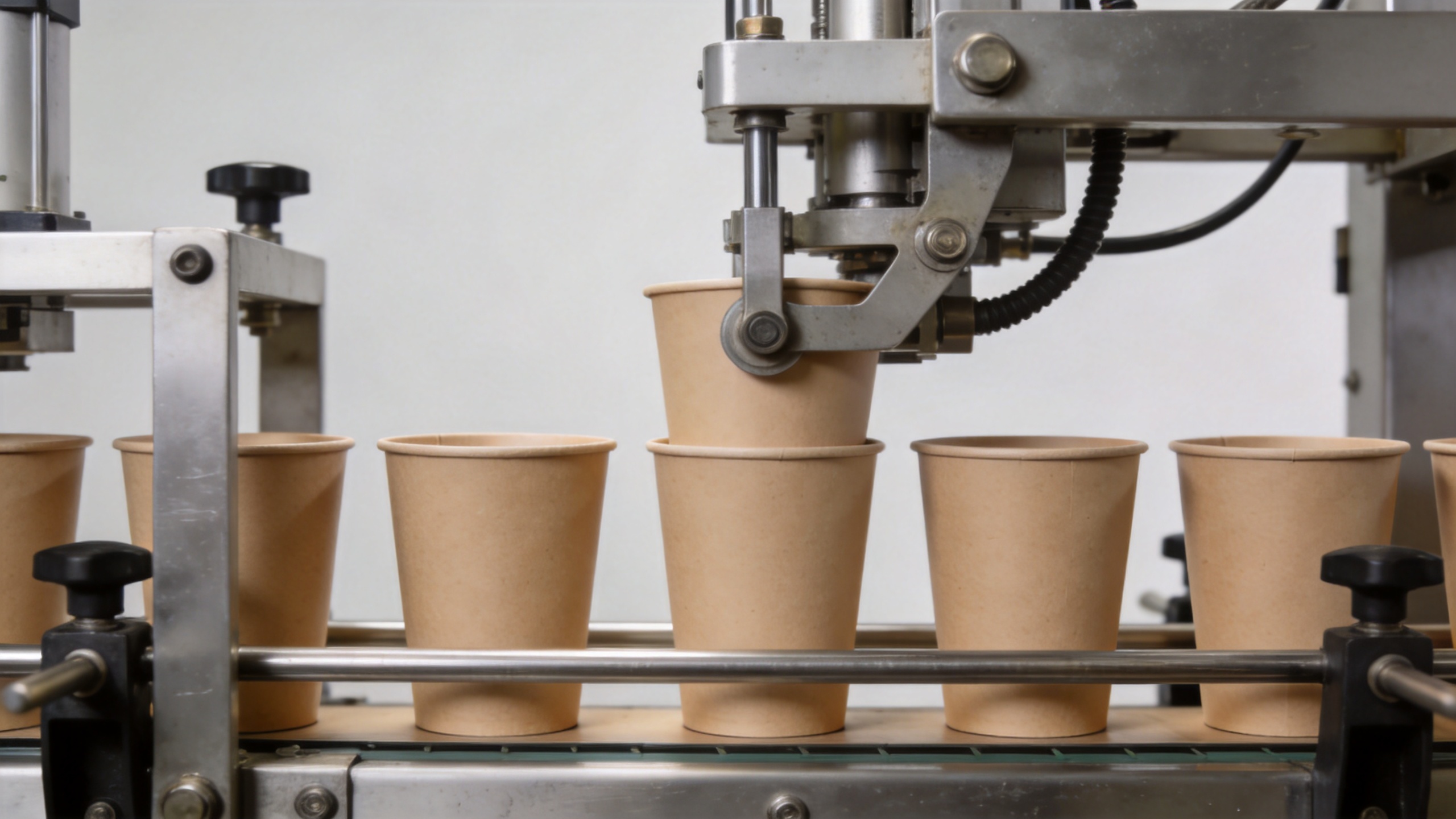
Making a paper cup involves more than rolling paper into a cylinder. A typical sequence feeds a cup blank, forms the side wall, seals the side seam, applies and joins the bottom, creates the rim, and delivers the finished cup for inspection or packing. A paper cup forming machine coordinates these actions so that one stage supports the next instead of relying on inconsistent manual timing.
That coordination is especially valuable when production volume rises. A small variation in blank positioning or heat-sealing conditions can become a large amount of rework across a shift. By holding a defined sequence, the machine gives operators a practical base for setting work instructions, checking output, and tracing the source of a defect when one appears.
Consistent seams and bottoms protect product quality
For disposable beverage packaging, the cup must be formed accurately before it can perform reliably. The side seam and bottom joint deserve particular attention because they influence leak resistance and shape retention. A paper cup forming machine gives the production team a repeatable way to manage the forming and joining steps rather than treating each cup as an isolated task.
This does not remove the need for process verification. Incoming paperboard, coating consistency, printing inks, sealing temperature, and pressure all remain important control points. However, a stable machine sequence makes those checks more meaningful: the team can compare output against a known process condition instead of reacting to changes created by manual variation.
Automation supports throughput without ignoring control
Higher output is a common reason to invest, but speed alone is not the whole return. An automatic paper cup forming machine can help a manufacturer create a more predictable flow from blanks to finished cups. Predictability supports labor planning, packing schedules, and communication with downstream customers.
A horizontal paper cup forming machine may be considered when a factory is evaluating line layout, access to forming stations, or how the machine will fit alongside feeding and collection equipment. The exact configuration should be evaluated against the cup format, material specification, available footprint, and service-access needs. The goal is not to choose a layout by label; it is to choose an arrangement that lets operators observe, clean, adjust, and maintain the forming process safely.
It helps reduce hidden waste
Waste is not only the number of rejected cups. It can include lost blanks, interrupted production, excess operator intervention, inconsistent packing, and the time spent sorting questionable output. A well-matched paper cup forming machine gives a plant a framework for measuring those losses at their source.
- Fewer alignment-related rejects: controlled feeding and forming help teams identify whether defects come from blanks, settings, or wear.
- More useful process data: repeatable cycles make it easier to record rejection patterns by shift, cup size, or material lot.
- Clearer maintenance priorities: when the sequence is defined, operators can spot gradual changes in forming, heating, or rim quality before they become a major disruption.
- More disciplined changeovers: documented setup checks reduce the chance that a new cup size begins production with an overlooked adjustment.
These gains are operational, not automatic. Results depend on training, material quality, maintenance, and the suitability of the selected machine for the target cup design. Still, the equipment provides the consistent platform needed to improve each of those areas.
It makes quality control easier to organize
Food-contact packaging requires attention to both the finished cup and the materials used to make it. Buyers serving regulated markets should confirm the standards and testing requirements that apply in their destination market. For example, relevant requirements may address paper and paperboard intended for food contact as well as the finished cup. A paper cup forming machine cannot certify a product, but it can support a documented manufacturing process with repeatable forming conditions.
Practical quality checks can include visual review of side seams and bottoms, dimensional checks, stacking behavior, and tests appropriate to the intended beverage use. The important point is to build inspection into the workflow rather than treating it as a final emergency screen. When a problem is found, a controlled forming process helps the team investigate the relevant settings and materials in a logical order.
Paper cup shaping machinery should fit the business plan
The term paper cup shaping machinery covers more than one production approach. Before comparing offers, define the cup sizes, paperboard or coated-paper structure, expected order mix, available utilities, staffing plan, and maintenance capability. A machine that appears attractive on a specification sheet may be a poor operational fit if changeovers are frequent, access is restricted, or spare-part planning is unclear.
Use a structured review during supplier discussions:
- List the cup formats and material constructions the operation expects to run.
- Ask how the forming sequence is adjusted for each format and what checks are recommended after changeover.
- Review operator access, cleaning points, safety provisions, and the routine maintenance schedule.
- Clarify acceptance criteria for seam, bottom, rim, and finished-cup appearance.
- Plan training, spare parts, and trial production before committing to customer delivery dates.
This approach shifts the decision away from headline speed and toward usable production capability.
Why the investment matters over time
A paper cup forming machine is essential because it connects commercial demand to a controlled production method. It enables a manufacturer to turn repeat orders into a planned process, while giving the team a basis for improving quality, reducing avoidable handling, and responding to changing cup formats. As volumes grow, that consistency becomes increasingly valuable.
For businesses evaluating a horizontal paper cup forming machine or other paper cup shaping machinery, begin with the cup, material, and workflow—not with a single advertised output figure. The most suitable paper cup forming machine is the one that supports stable forming, accessible quality checks, responsible maintenance, and a production plan the team can actually sustain.
 ONLINE