
 EN
EN

Why Paper Cup Forming Machine Speeds Production?
A paper cup forming machine speeds production because it turns a chain of manual, variable actions into a timed sequence of coordinated stations. It does not simply “run faster.” It feeds a prepared blank, shapes the wall, seals the side seam, inserts and knurls the bottom, curls the rim, and transfers the finished cup on a repeatable rhythm. When those actions stay synchronized, operators spend less time correcting stops and more time making acceptable cups.
From a packaging-equipment selection perspective, speed must be tied to cup shape, paper stock, coating, and the production rhythm you need. A headline rate is useful, but sustained output is the more practical measure. The right paper cup forming machine should deliver a stable flow of good cups under the conditions you will actually use—not only during a short, ideal demonstration.
Speed Comes From a Linked Forming Process
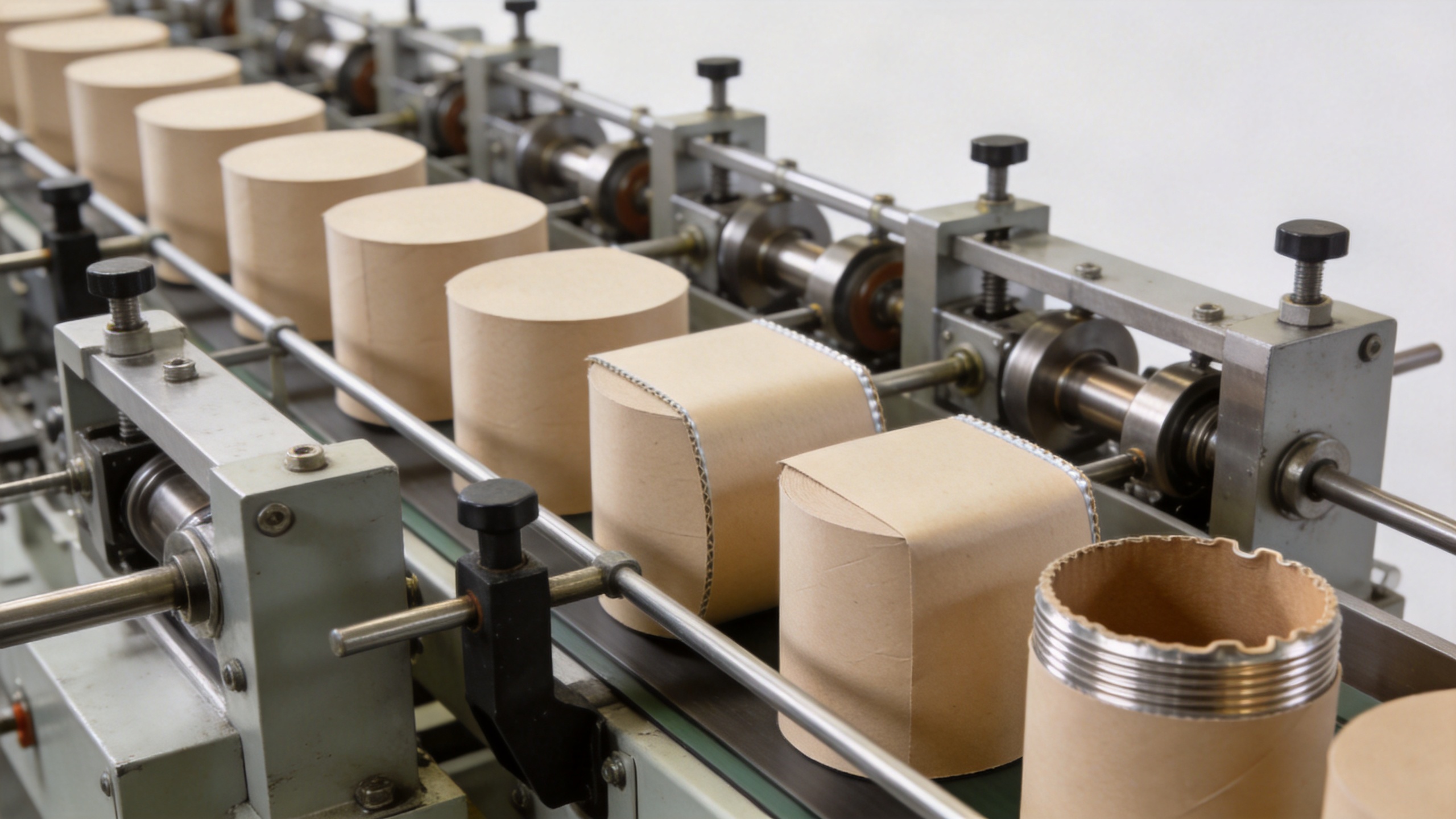
A modern paper cup forming machine organizes several forming tasks into indexed or continuous movement. While one station is preparing a wall blank, another can be sealing a seam, placing a bottom, or completing a curl. This overlap reduces idle time between steps. In contrast, a process that waits for one task to finish before starting the next naturally creates gaps in output.
The critical point is balance. The fastest station cannot rescue a slower station downstream. If blank feeding hesitates, side-seam sealing needs extra dwell time, or finished cups do not release cleanly, the entire paper cup forming machine must slow or stop. That is why practical buyers review the whole process rather than judging only the drive speed.
What Happens at Each Station
1. Reliable blank handling prevents the first bottleneck
Production starts with consistent pickup, separation, and transfer of cup wall blanks. A dependable feed system helps each blank arrive in the correct position and orientation. Misfeeds create rejects and operator intervention, both of which reduce actual output. Paper stiffness, coating, print finish, and storage conditions can all affect how smoothly blanks travel, so a production trial should use material close to your intended stock.
2. Controlled seam sealing supports a shorter, stable cycle
At the wall-forming station, the blank is wrapped and the side seam is sealed. This is where an ultrasonic paper cup forming machine may be considered when its sealing method suits the cup material and project requirements. Ultrasonic sealing can concentrate energy at the seam; however, it is not an automatic guarantee of higher output. The usable cycle still depends on material response, seam quality, tooling condition, and process settings.
Hot-air and ultrasonic approaches should therefore be compared against the same acceptance criteria: seam integrity, appearance, leakage resistance, and stable operation at the target rate. A published research context describes paper-cup processes in a broad range of roughly 50 to 330 cups per minute. That range is not a promise for every machine. It illustrates why a paper cup forming machine must be evaluated by its validated application rather than by one number alone.
3. Bottom insertion and knurling protect throughput
After wall formation, the bottom must be placed accurately and joined consistently. The bottom-knurling operation is a common point where speed and quality meet: insufficient control can lead to leakage or poor appearance, while excessive adjustment time can interrupt production. A well-matched paper cup forming machine coordinates bottom feeding, heat or pressure conditions, and knurling timing so that these steps do not become recurring bottlenecks.
4. Curling, discharge, and collection keep cups moving
Rim curling and finished-cup transfer may look like the final details, yet they affect the entire line. Cups that catch, nest poorly, or leave the machine inconsistently can create backup. Good access for observation and adjustment helps operators locate the real cause before a small discharge issue becomes repeated downtime.
Why Automation Raises Effective Output
Automation increases production in two ways. First, it compresses the active forming cycle. Second, it reduces the variation that causes minor stops. Sensors, synchronized drives, controlled feeding, and repeatable transfer motions allow a paper cup forming machine to repeat the same sequence more consistently than a heavily manual process.
This is also why paper cup forming equipment should be assessed as a system rather than as a single chassis. Upstream blank preparation, compressed-air stability, material supply, operator routines, and collection capacity can all limit the number of good cups leaving the line. If your project uses a single cup format for long runs, setup can often be optimized around that format. If frequent size changes are required, fast changeover and clear adjustment procedures may matter more than the highest rated speed.
Rated Speed vs. Good-Cup Output
| Measure | What it tells you | What to verify |
|---|---|---|
| Rated cycle speed | The machine’s stated operating potential | Conditions used to state the rate |
| Good-cup output | Acceptable cups produced over a defined run | Rejects, leaks, seam appearance, and stoppages |
| Changeover time | How quickly the line moves between formats | Tooling changes, settings, and operator steps |
| Availability | How much planned time is actually productive | Material supply, cleaning, maintenance, and alarms |
For this reason, ask a supplier to define the test conditions for a paper cup forming machine. Confirm cup size, paper specification, coating, cup design, target quality checks, run length, and how rejects are counted. A short sample run may confirm that a cup can be formed; a longer controlled run is more useful for estimating the speed you can maintain.
Where an Ultrasonic Option Fits
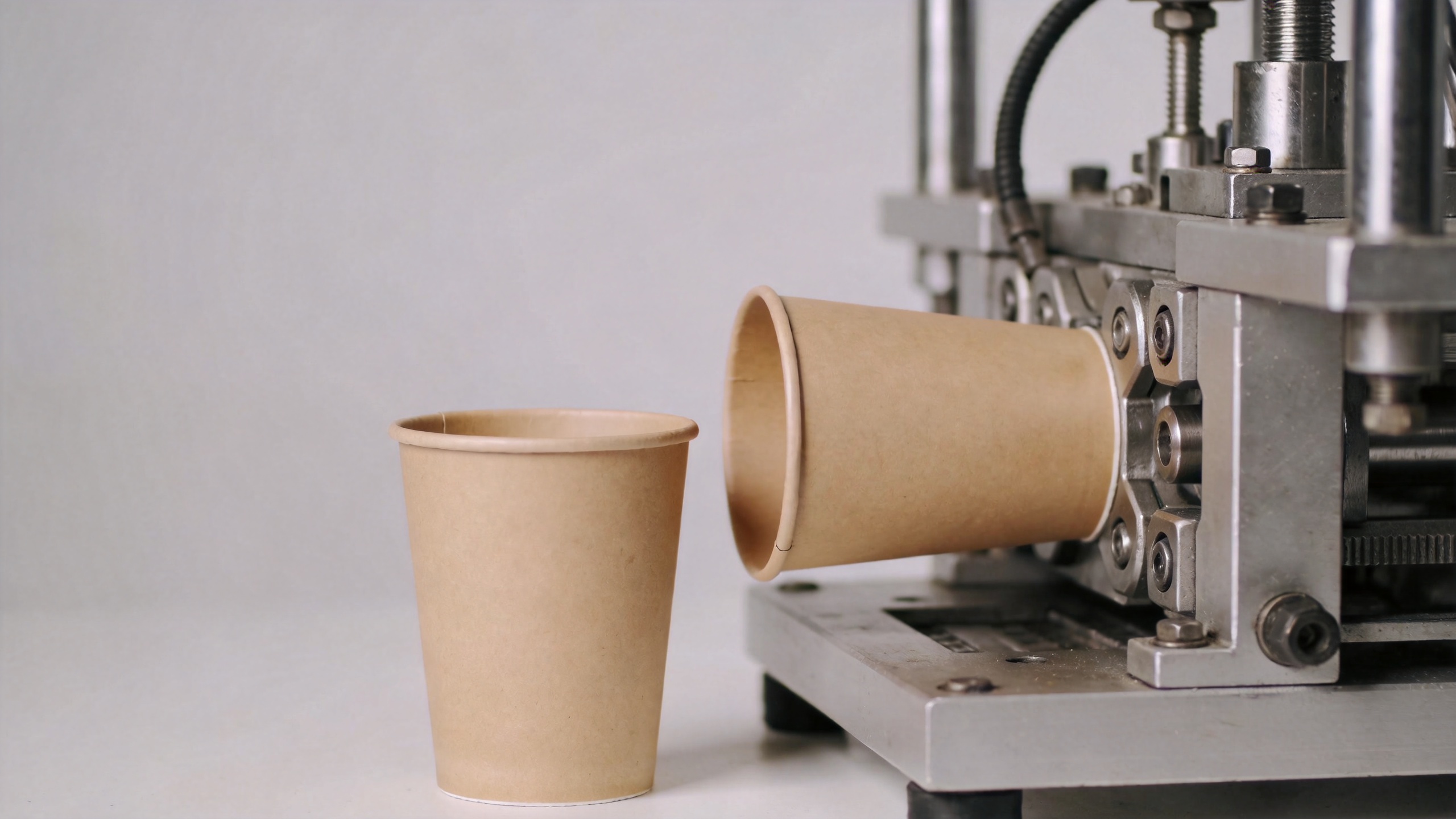
An ultrasonic paper cup forming machine can be relevant when the selected material and seam design respond well to ultrasonic energy and when the process validation supports that choice. It may simplify seam-energy control in suitable applications, but it still needs disciplined setup. Horn condition, alignment, material variation, and operator inspection all influence results. Before deciding, compare the acceptance samples and sustained output of the ultrasonic option with other suitable sealing approaches.
In other words, choose an ultrasonic paper cup forming machine for a verified process fit, not simply because the label sounds faster. A sound decision follows evidence from your own paper stock, cup geometry, and required output schedule.
A Practical Speed-Verification Checklist
- Define the cup formats, paper grades, coatings, and print conditions to be used in the trial.
- Set a target good-cup output, not only a nominal cycle rate, for the paper cup forming machine.
- Agree on defect criteria before testing, including seam appearance, bottom integrity, rim quality, and leakage checks.
- Run long enough to observe feeding, sealing, discharge, and collection under normal conditions.
- Record stoppages by cause so that material, setting, and mechanical issues are not grouped together.
- Review changeover steps if multiple cup sizes are planned; frequent changes can alter the value of a high-speed configuration.
How to Select Paper Cup Forming Equipment for Your Line
When comparing paper cup forming equipment, begin with the production task rather than the maximum advertised figure. Share the intended cup sizes, material details, expected daily schedule, available utilities, and changeover frequency. Then ask how the proposed configuration handles blank feeding, seam formation, bottom joining, rim curling, and finished-cup transfer.
A technically appropriate paper cup forming machine is faster because its stations work together with fewer interruptions. If paper material and cup format have already been confirmed, that conclusion is more useful than a generic speed claim. The goal is not to chase the highest number on a brochure. It is to create a repeatable process that converts planned machine time into stable, saleable cups.
Conclusion
A paper cup forming machine speeds production through synchronized forming stations, consistent material handling, controlled sealing, and reliable discharge. The strongest results come when machine configuration, paper stock, cup design, and acceptance criteria are tested together. Whether you evaluate conventional sealing or an ultrasonic paper cup forming machine, use sustained good-cup output as the decision metric. That approach makes it easier to select paper cup forming equipment that supports both speed and dependable quality.
 ONLINE