
 EN

Why Paper Cup Making Machinery Is the Future?
Paper cups are changing from a straightforward disposable format into a packaging decision shaped by drink menus, material choices, labor availability, and local end-of-life systems. That is why paper cup making machinery is increasingly treated as an adaptable production investment, not merely a single-purpose asset. From a food-packaging application perspective, the useful question is not whether automation sounds modern. It is whether a line can make the intended cup consistently while giving the team a clear way to change, inspect, maintain, and validate it.
For a buyer, the future of paper cup making machinery lies in how well equipment supports real operating conditions. A high headline output may matter for a stable, high-volume SKU. But a coffee program with seasonal sizes, printed graphics, sleeves, or changing paper specifications needs a different conversation. The more practical starting point is to define the cup, the material, the production rhythm, and the acceptance criteria before comparing configurations.
Demand Is Moving Toward Flexible, Verifiable Production
Foodservice operators want cups that work for different beverages, branding programs, and handling conditions. This pushes converters to evaluate paper cup making machinery beyond one nominal speed. The relevant production question is whether the forming, heating, bottom-sealing, rim-rolling, and collection stages can be matched to the chosen blank, coating, and cup geometry.
A coffee paper cup making machinery project illustrates the point. Hot-drink cups may require specific stiffness, seam behavior, lid fit, and insulation options. If the range includes ripple-wall formats, a buyer also needs to understand where the outer-wrap process fits, how materials are supplied, and how checks are carried out between operations. A ripple paper cup machine should therefore be assessed as part of a workflow, not as an isolated feature list.
Paper and paperboard used in food-contact applications also belong in the equipment discussion. In the United States, food-contact paper and paperboard components can fall under 21 CFR Part 176; in the EU, Regulation (EC) No 1935/2004 provides general food-contact material principles. These are not machine certifications. They are reasons to align the substrate, coating, inks, intended use, documentation, and test plan with the buyer’s own compliance process. Future-oriented paper cup making machinery makes those material trials easier to organize and repeat.
Automation Matters When It Makes Decisions Easier
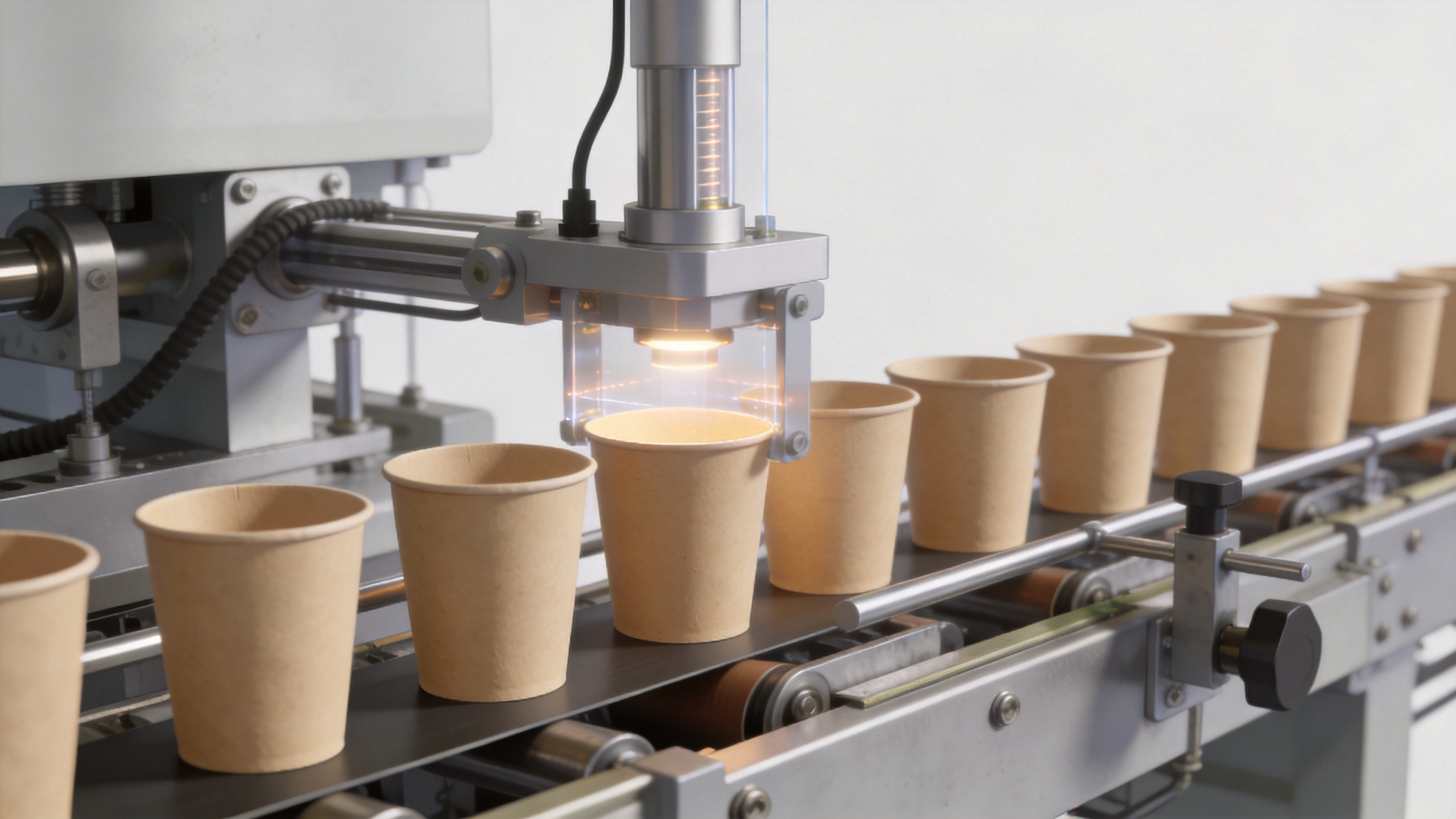
Automation is often presented as the main reason to buy new paper cup making machinery. Its practical value depends on which tasks it reduces and what operating information it returns to the team. Clear status indications, accessible adjustments, and understandable fault messages can help operators respond consistently. They do not make a line maintenance-free, and they do not replace training or material control.
When reviewing paper cup making machinery, ask suppliers to show the normal operating path: blank feeding, side-seam formation, bottom insertion, heating or sealing, knurling, rim formation, discharge, and counting or packing handoff. Then ask what changes when a cup size, paper grade, or print layout changes. That response tells a buyer more than a brochure can. It shows whether the machine’s future value is based on repeatable setup rather than a promise made at one ideal condition.
- Which parameters are adjusted during a size or material change?
- Which tools, parts, and operator checks are involved?
- How are rejects identified and separated during startup?
- Which routine cleaning and lubrication points must be reached safely?
- What records can the team use when a repeat order returns?
These questions help turn paper cup making machinery into a documented operating system rather than an opaque capital purchase.
Future Readiness Starts With Material Adaptability
Packaging sustainability is not solved by a label alone. Whether a finished cup is collected, sorted, recycled, or handled through another route depends on the construction and the local system. For that reason, paper cup making machinery should be evaluated with the actual material strategy in view. Ask whether proposed paperboard and barrier structures can be trialed under intended conditions, what adjustments may be required, and how finished cups will be checked for seam quality and functional performance.
Material adaptability does not mean every paper cup making machinery configuration suits every substrate. It means the supplier and buyer can define boundaries early. A sensible trial plan names the cup format, blank dimensions, paperboard specification, coating or barrier system, intended beverage use, and inspection points. It should also say what evidence is needed before a new material becomes a routine production item.
This is particularly important for a coffee paper cup making machinery purchase. Beverage temperature, holding time, and lid pairing can alter the questions a converter must answer. The machine can support a disciplined trial process, but final suitability should be verified with the selected material system and the buyer’s quality requirements.
Speed Is Useful, but Line Rhythm Is More Useful
Search results for paper cup making machinery commonly emphasize cups per minute. That metric is useful only when the operating conditions behind it are visible. A nominal rate does not explain startup losses, changeover time, inspection workload, downstream handling, or the effect of material variation. For some plants, steady output of one cup size is the priority. For others, the ability to switch among formats with controlled downtime has greater value.
When comparing paper cup making machinery, map the full line rhythm. Confirm how blanks arrive, where finished cups accumulate, how packs are handled, and who responds if the downstream process pauses. Consider utility availability, floor layout, operator access, spare-parts planning, and support arrangements as well. A machine is more likely to serve future demand when those interfaces are considered before installation, not after it.
Acceptance Criteria Protect the Investment
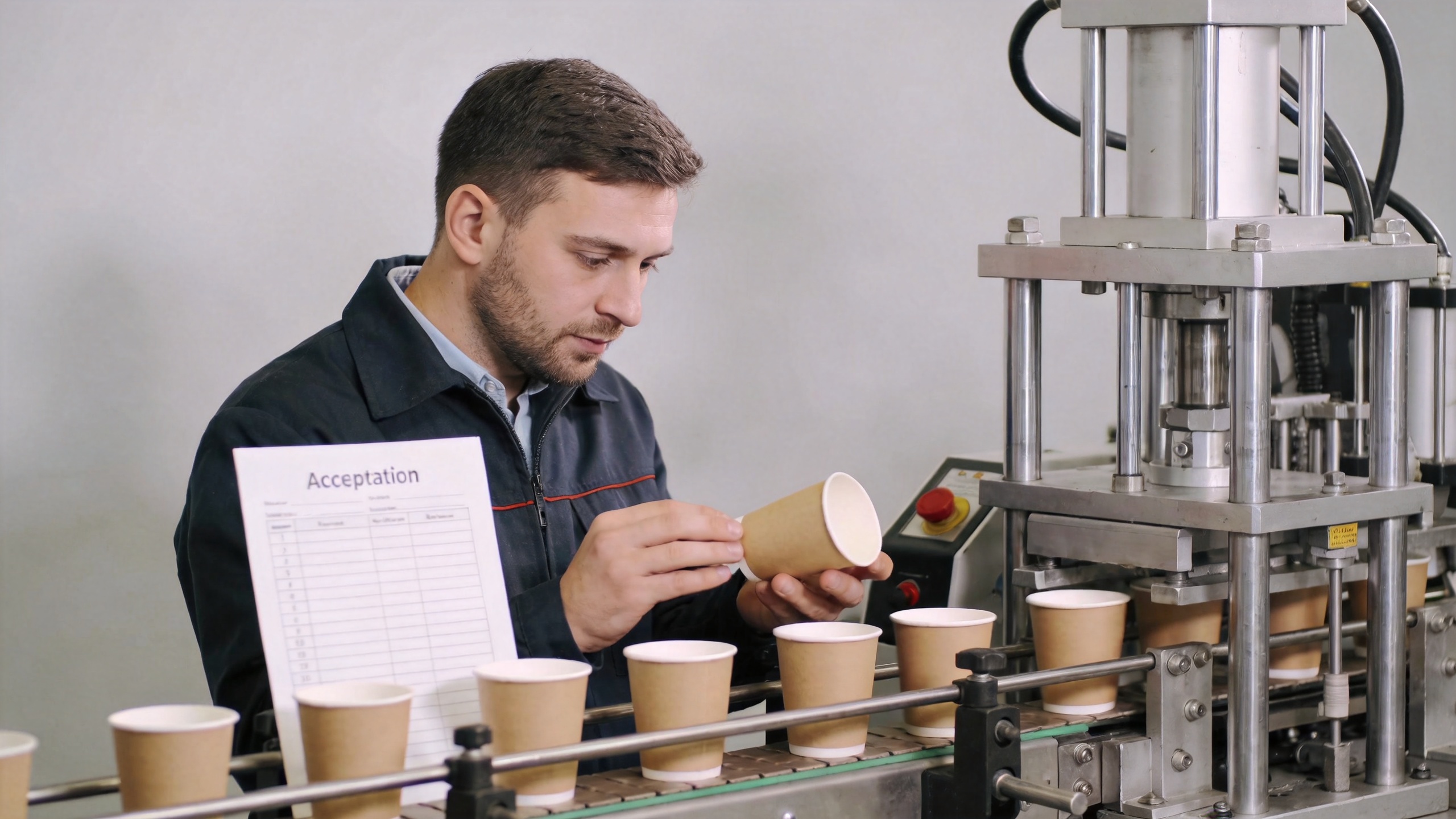
A future-ready purchase gives both parties a shared definition of acceptable output. Before placing an order for paper cup making machinery, turn the requirement into an acceptance checklist. Include the cup sizes and drawings, paper and coating details, approved samples, expected operating conditions, visual checks, leak or functional tests where relevant, scope of supply, training, documentation, and the agreed support process.
For a ripple paper cup machine, the checklist can additionally clarify sleeve alignment, adhesion or assembly conditions, appearance standards, and how the inner cup and outer layer are evaluated together. For basic single-wall formats, the same principle applies: use evidence from a defined trial instead of assuming that a generic configuration will fit every production case.
- List the cup formats and materials that must be produced first.
- Define the quality checks and who signs off on them.
- Request a configuration explanation tied to those conditions.
- Plan training, preventive maintenance, consumables, and critical spare parts.
- Record open items before shipment and installation.
Why the Category Has a Long-Term Role
The category’s long-term role is not just more automation or a higher speed-display number. The future is paper cup making machinery that helps converters respond to changing cup formats, material decisions, quality expectations, and production planning with fewer unknowns. Buyers who start with application requirements can compare automation, tooling, changeover design, and support on a more useful basis.
In practical terms, assess paper cup making machinery by asking whether it supports the next confirmed product range, not an imagined universal range. Bring sample cups and material specifications into technical discussions early. Define acceptance criteria before commissioning. Then use trials, operator feedback, and maintenance planning to decide which configuration fits the operation. That approach gives a paper cup making machinery investment a clearer path from today’s order book to tomorrow’s packaging needs.
 ONLINE