
 EN

Why Paper Production Machine Boosts Output?
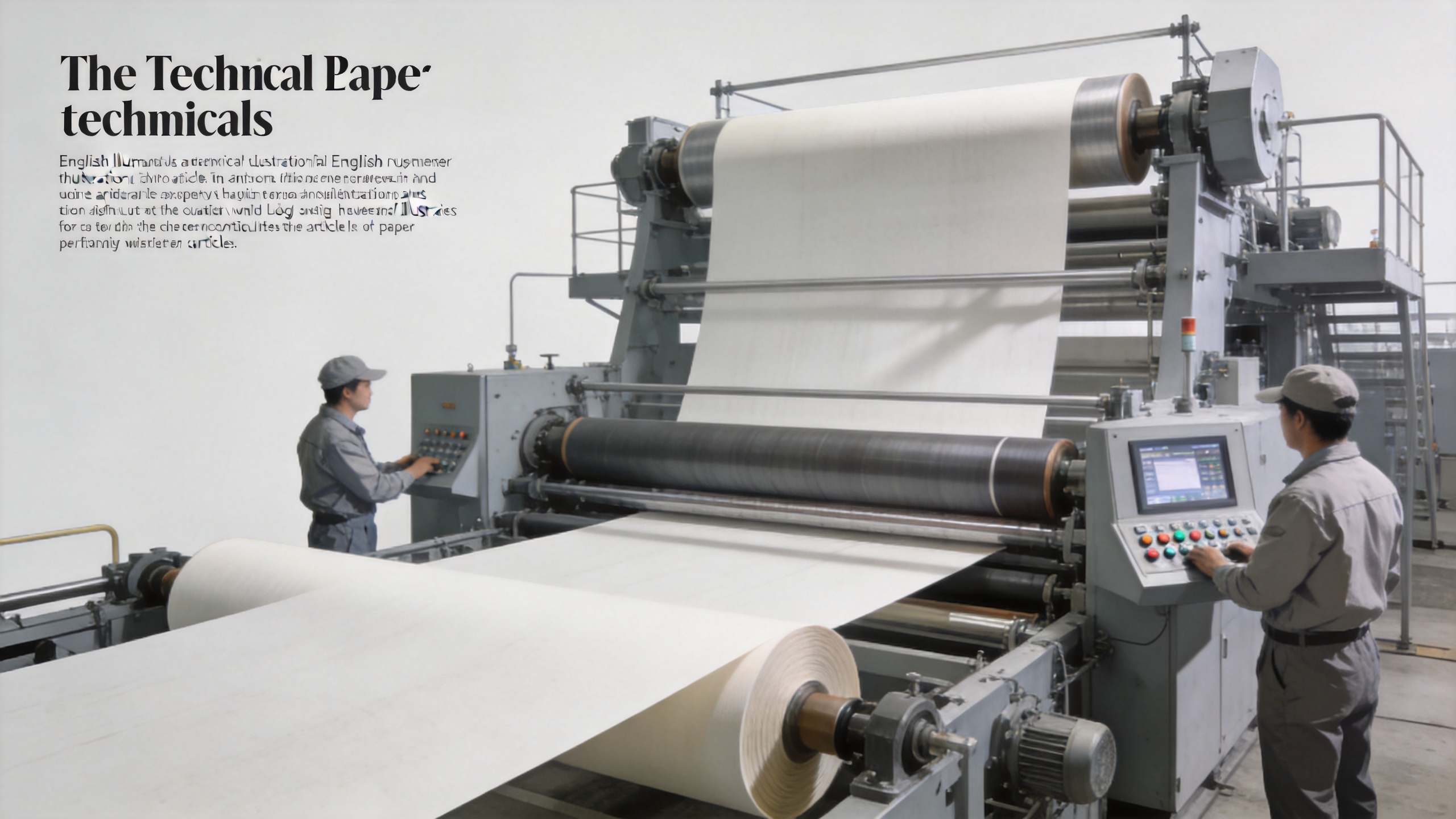
A paper production machine boosts output when it helps the line make more usable paper during the hours that are already scheduled. That sounds obvious, but it changes the buying and operating conversation. Nameplate speed is only one number. If stock preparation, forming, pressing, drying, winding, quality checks, or reel changes cannot support that speed, the paper production machine will not deliver the throughput the line appears capable of.
From a production-line perspective, the useful question is not “What is the highest speed?” It is “What steady rate can the whole process hold while meeting moisture, basis-weight, and quality requirements?” The answer usually depends on process balance, condition monitoring, and how quickly operators can recover from small disturbances before they become breaks or rejected production.
Output means saleable tonnes, not a peak speed reading
A paper production machine turns fibre slurry into a continuous sheet through linked stages. Each stage has a constraint. A faster headbox cannot compensate for unstable drainage. A strong press section cannot solve a dryer bottleneck. A fast winder cannot rescue paper that arrives with an uneven moisture profile or frequent defects.
For that reason, production teams should evaluate output through three connected measures:
- Stable running rate: the speed the line can maintain without frequent interventions.
- Availability: the share of scheduled time spent actually making acceptable paper rather than clearing breaks, waiting for material, or correcting faults.
- Yield: the proportion of produced sheet that meets the target specification and does not become trim, broke, or downgraded material.
A paper production machine improves results when these measures rise together. Pushing speed while availability or yield falls can leave total saleable output unchanged—or lower.
Line balance keeps a paper production machine moving
Think of the line as a relay rather than a collection of independent machines. Fibre consistency, flow stability, drainage, press loading, steam control, web tension, and reel handling need compatible operating windows. If one handoff varies too much, the next section spends its time compensating.
This is why a paper production machine often delivers its strongest improvement after teams map the actual bottleneck. Record the normal running rate, the cause of each slowdown, the recovery time, and the quality result after recovery. That log distinguishes a capacity limit from a controllability problem. It also prevents a common mistake: upgrading the most visible section when the real constraint is material preparation, drying, or finishing.
Before committing to a change, verify conditions with the grade, furnish, basis weight, trim width, and operator routine that matter most. A demonstrated rate on a different grade is useful context, not an assured plant result.
Drying control often determines usable capacity
Drying is a practical example of why the paper production machine must be considered as a system. Search-based technical material from TAPPI describes a dryer section reducing sheet moisture from about 50% to about 8% and notes that drying can account for a large share of mill energy use. Exact conditions vary by grade and mill, but the operating lesson is consistent: unstable steam, condensate, airflow, or moisture control can cap output even when upstream sections have spare speed.
When dryers transfer heat predictably, operators can make fewer defensive speed reductions and can hold a tighter moisture target. When they do not, they may slow the line to avoid wet spots, curl, web instability, or problems in winding and converting. Improving this part of a paper production machine is not simply an energy project; it can protect production time and downstream quality.
Checks that make drying discussions more useful
- Trend moisture variation across the sheet instead of reviewing only an average value.
- Log steam and condensate symptoms alongside breaks and speed reductions.
- Check whether felt condition, ventilation, and web contact are creating a local restriction.
- Set acceptance criteria for the target grade before claiming a capacity gain.
Reliable doctoring supports runnability
A doctor blade paper machine arrangement can be a small component with a large operational effect. Doctor blades are used in different positions to remove water or contaminants from rolls, condition roll surfaces, and support sheet handling. The correct blade material, loading, angle, and replacement interval depend on the position and the process. It would be inaccurate to treat one doctoring setup as universal.
Still, the principle is straightforward. A contaminated or poorly doctored roll can contribute to defects, poor heat transfer, sheet handling issues, and unplanned cleaning work. Those interruptions reduce availability. Include doctor condition in routine walkdowns, and record the symptom—not just “doctor issue.” For example, note the roll location, buildup pattern, blade wear, vibration, and the effect on web behavior. That turns maintenance from a reactive replacement task into evidence for a better interval or configuration.
Material flow protects the upstream and downstream rhythm
Output is also lost away from the wet end. Broke handling, waste segregation, reel movement, and finished-roll staging can all create waits that the paper production machine cannot absorb. A waste paper baler does not increase the speed of the forming section directly. Its role is to compact loose paper waste so it is easier to store, move, and route through a recycling workflow. In a suitable operation, that can reduce clutter and make waste handling more predictable.
The key is to treat material handling as part of the production rhythm. Define where broke goes, who owns the handoff, what happens when storage is full, and how material quality is protected before re-use or dispatch. A fast main line paired with a congested waste route still creates stoppages and safety pressure.
Automation helps only when the operating method is ready
Automation in a paper production machine can improve repeatability, shorten response time, and make trends visible earlier. It does not remove the need for maintenance, training, or clear escalation rules. Sensors and controls create more value when the team has agreed on which signals matter, what range is normal, and what action follows an alarm.
For example, an alarm that identifies a developing tension or moisture problem can help operators intervene before a break. But if alarm limits are poorly tuned or response ownership is unclear, the same system can create noise and delay. When comparing options, ask to see the operator workflow: what is measured, how it is displayed, how settings are protected, and how a recovery is documented.
A practical output-improvement sequence
- Establish the baseline. Measure scheduled hours, stable speed, breaks, grade changes, quality losses, and recovery time for the relevant grade.
- Find the limiting handoff. Follow the sheet and material flow to identify where the line waits, slows, or produces avoidable defects.
- Test one change against acceptance criteria. Use the actual furnish and quality target; compare saleable production, not only instantaneous speed.
- Standardize the successful routine. Update operating checks, maintenance tasks, spare-part plans, and operator training.
- Review exceptions weekly. Group repeated slowdowns by cause so the next improvement is based on evidence rather than anecdote.
Questions to ask before investing
Whether you are replacing a section or improving an existing paper production machine, ask suppliers and internal stakeholders to clarify the operating envelope. Which grades and furnish conditions were used for the stated rate? What downstream equipment must match the change? Which wear parts, cleaning tasks, and skills are assumed? How is moisture, tension, or defect stability verified during acceptance?
These questions are not barriers to output. They are how a project converts a promising speed figure into a dependable production plan. The strongest case for a paper production machine is therefore a balanced one: it helps the line run steadily, helps the team see and correct variation sooner, and helps protect the quality that makes output saleable.
Conclusion
A paper production machine boosts output by reducing the gap between available time and saleable production. Balance the line, stabilize drying, maintain doctoring, keep waste and materials moving, and define response routines before chasing peak speed. When those pieces work together, a capacity upgrade becomes easier to verify and easier to sustain.
 ONLINE