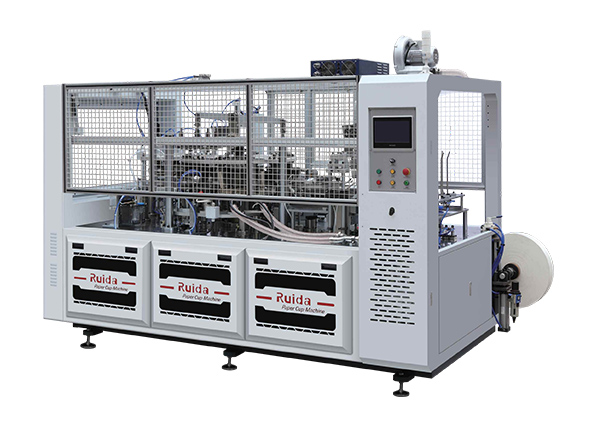
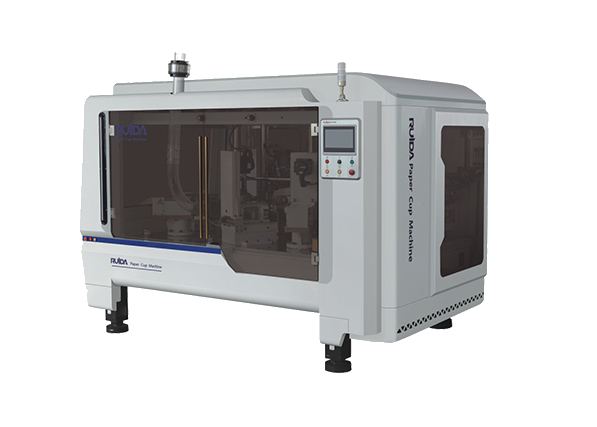
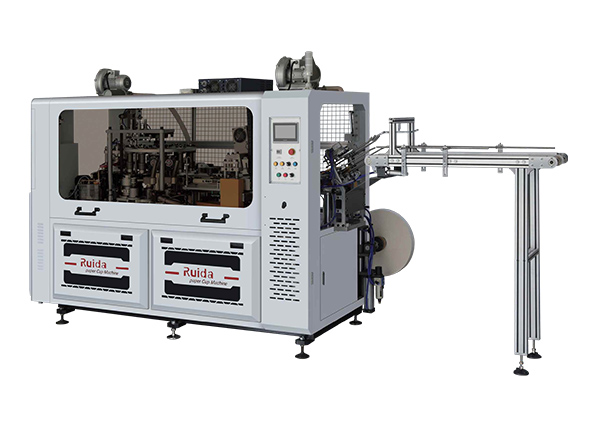
Navigating Market Trends: The Strategic Significance and Profit Potential of Investing in Disposable Cup Production Machinery
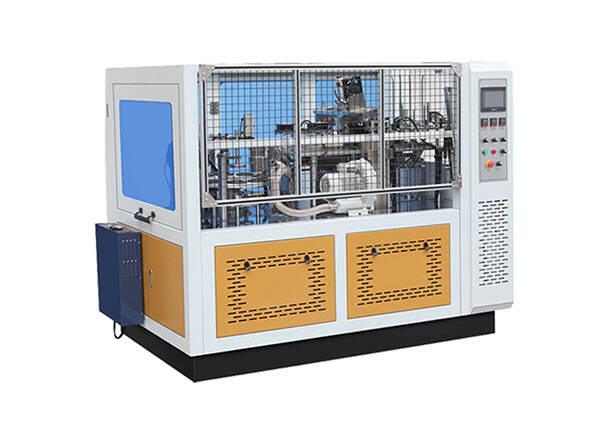
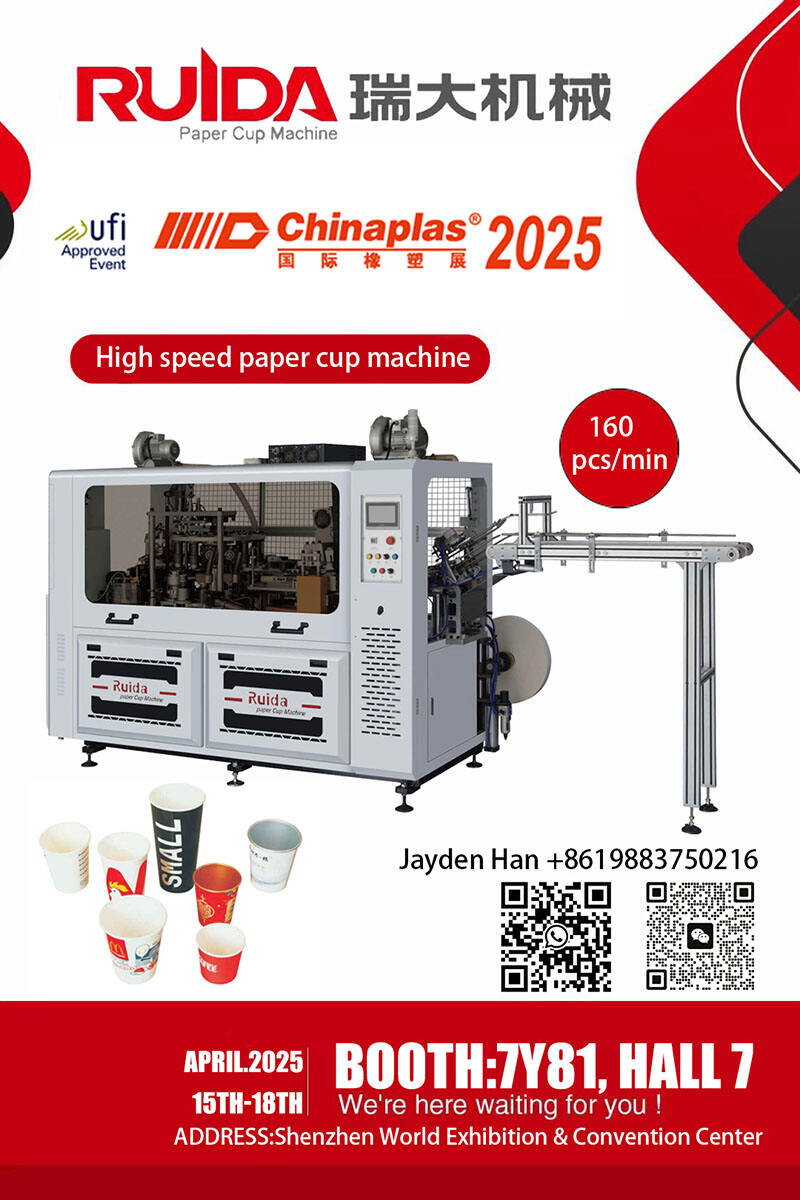
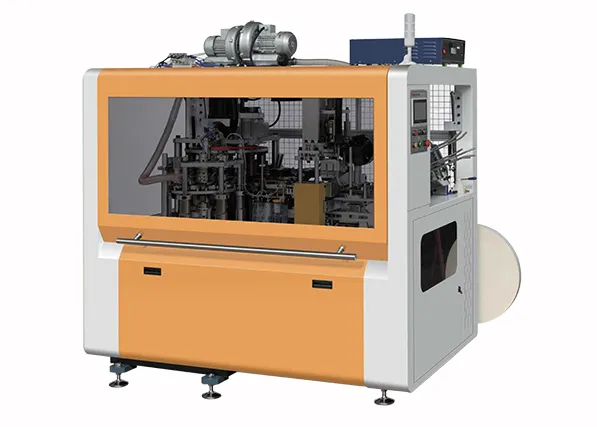
Amid the ongoing expansion of global fast-food culture and the coffee economy, demand for disposable cups has experienced explosive growth. From street-side coffee shops to large restaurant chains, and from major events to healthcare facilities, the need for efficient, hygienic, and eco-friendly cup solutions continues to rise. However, relying on external suppliers not only incurs high costs but also brings operational challenges such as delivery delays, inconsistent quality, and passive pricing. Against this backdrop, investing in a disposable cup production machine transcends mere equipment procurement—it becomes a core strategy for businesses to achieve supply chain autonomy, reduce costs, and enhance brand competitiveness.
This shift delivers dual benefits: significant economic gains and strengthened strategic control. Through in-house production, companies can substantially reduce per-cup unit costs, decrease reliance on third-party suppliers, and effectively mitigate risks from raw material price fluctuations and logistics uncertainties. More importantly, owning production lines grants full control over product quality and design authority—ensuring every cup meets stringent leak-proof and safety standards while enabling on-demand printing of brand logos and promotional messages, transforming each cup into a mobile advertising carrier.
Simultaneously, as global environmental awareness grows, the market increasingly favors sustainable packaging solutions. Modern disposable cup production equipment now supports eco-friendly materials like biodegradable plastics and compostable paper-based substrates. This enables companies to flexibly adapt to policy regulations, attract environmentally conscious consumers, and gain a competitive edge.
Furthermore, establishing an in-house production line grants businesses significant operational flexibility and scalability. Regardless of market fluctuations, you eliminate concerns about packaging inventory while rapidly responding to peak season demands or customized orders. This setup even opens opportunities to expand into contract manufacturing, creating new revenue streams.
In summary, investing in disposable cup production machinery is not merely acquiring an efficient automated device—it's building a pathway to financial autonomy, brand enhancement, and market agility. In today's fiercely competitive food service and FMCG sectors, those who master core supply chain elements will seize growth opportunities first and achieve sustainable, high-profit operations.
 EN
EN