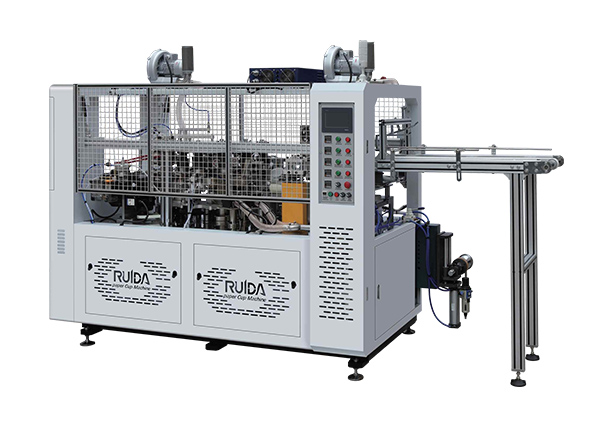
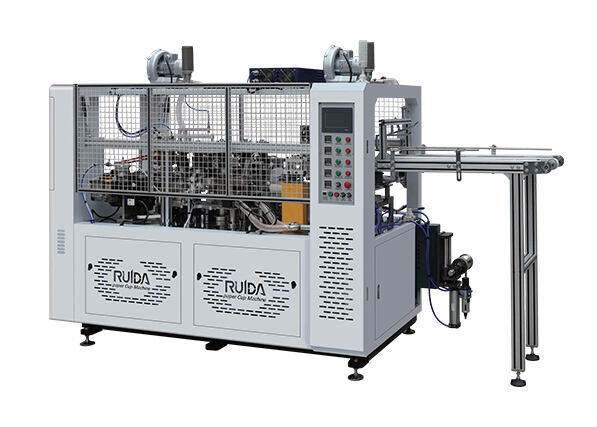
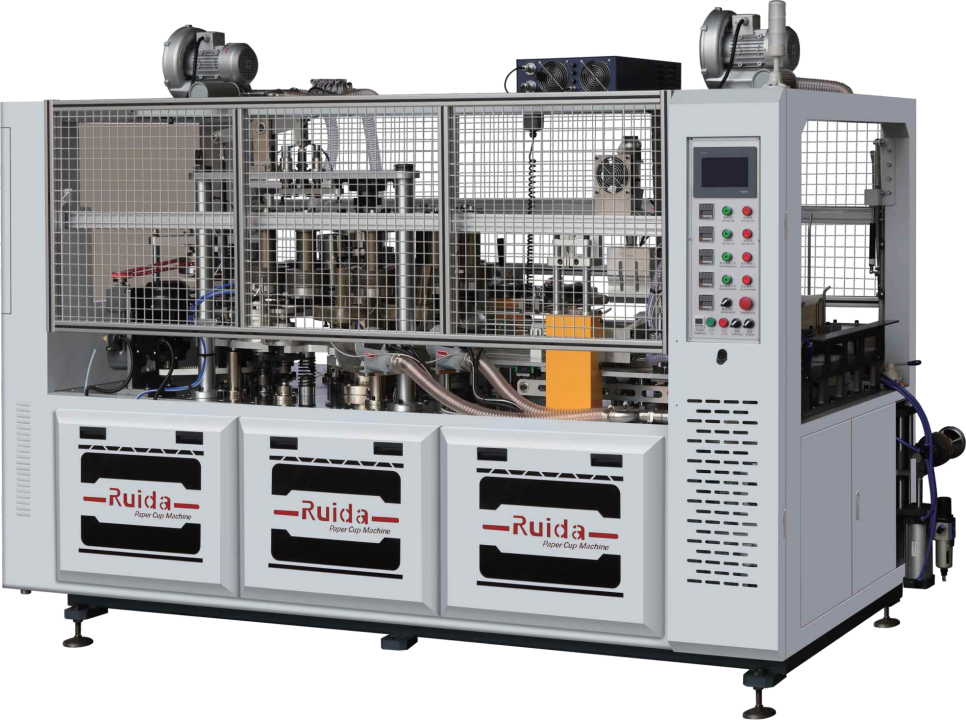
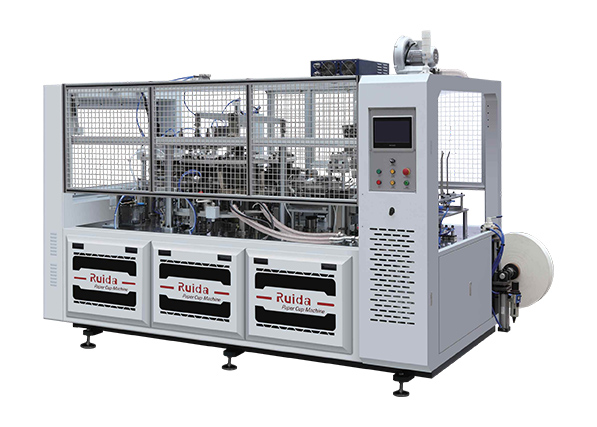
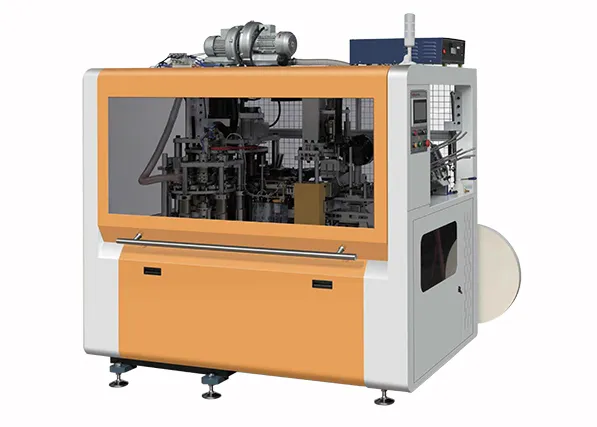
The Core Engine Driving Efficiency and Sustainability in Modern Food Packaging
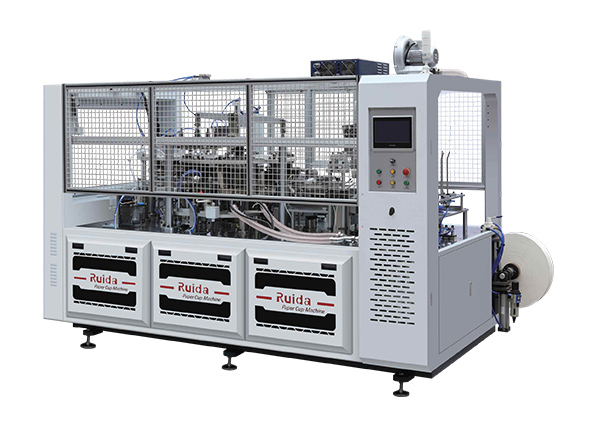
In the rapidly evolving food packaging industry, lunchbox forming machines have transcended their role as mere production tools to become strategic equipment driving transformation in manufacturing efficiency, quality, and sustainability. Their core value manifests in three key areas:
I. Efficient Production and Cost Optimization
Through fully automated processes, lunchbox forming machines achieve high-speed production capabilities of thousands of units per minute, significantly reducing the time and costs associated with traditional manual operations. Precise material control systems minimize raw material waste while ensuring high product consistency, enabling businesses to meet large-scale order demands and enhance overall supply chain efficiency.
2. Quality Control and Safety Compliance
In food contact packaging, hygiene and consistency are non-negotiable requirements. These machines complete fully automated production from raw materials to finished products in a sealed environment, minimizing human intervention and meeting international safety standards like HACCP and FDA. Each finished product features uniform thickness, robust structure, and reliable sealing, effectively safeguarding food safety during transportation and storage.
III. Flexible Adaptation to Environmental Trends
Amid global plastic bans and rising green consumption, modern lunchbox forming machines now widely accommodate biodegradable materials (e.g., sugarcane bagasse, PLA, bamboo fiber), enabling manufacturers to swiftly transition to eco-friendly production lines. Modular designs also support flexible mold adjustments, enabling production of containers in various specifications and structures (e.g., compartmentalized lunch boxes, snap-lid containers), meeting market demands for both personalization and sustainability.
Lunch box forming machines are not merely manufacturing tools but critical investments for businesses to enhance competitiveness and respond to environmental policies. Through technological integration and innovation, they continue to drive the food packaging industry toward greater efficiency, safety, and sustainability.

 EN
EN