The Core Engine Driving the Sustainable Packaging Revolution
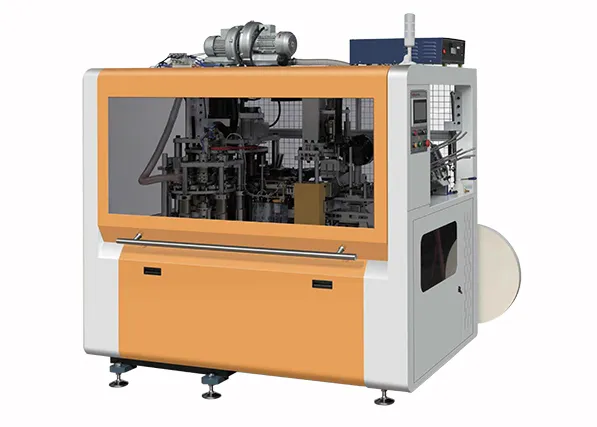
Amidst rising global environmental awareness and consumer market transformation, paper food container manufacturing machines have evolved beyond mere industrial equipment to become a pivotal force propelling economic growth, ecological responsibility, and market innovation. Their significance manifests across three dimensions: environmental, economic, and operational.
Environmental Significance: Addressing Global Sustainability Demands
As multiple nations strictly enforce plastic bans, consumers increasingly favor eco-friendly alternatives. Paper food container machines produce 100% biodegradable containers, helping businesses comply with regulations and avoid market marginalization. By replacing petroleum-based plastics with renewable resources like Forest Stewardship Council-certified pulp, these machines advance the circular economy, reduce pollution and landfill waste, while enhancing brand environmental credentials to attract eco-conscious customers.
Economic Significance: Unlocking High-Profit Entrepreneurial Opportunities
Paper food container machines represent a low-investment, high-return premium investment. Explosive demand for eco-friendly containers in food service, takeout, catering, and retail sectors provides businesses with a stable, rapidly growing market. Automated production lowers raw material and labor costs, yielding substantial profit margins. For entrepreneurs, it serves as an entry point to establish B2B supply chains; for existing packaging firms, it enables vertical integration, reducing reliance on third parties while gaining control over quality and costs.
Operational Significance: Efficient Production and Quality Control
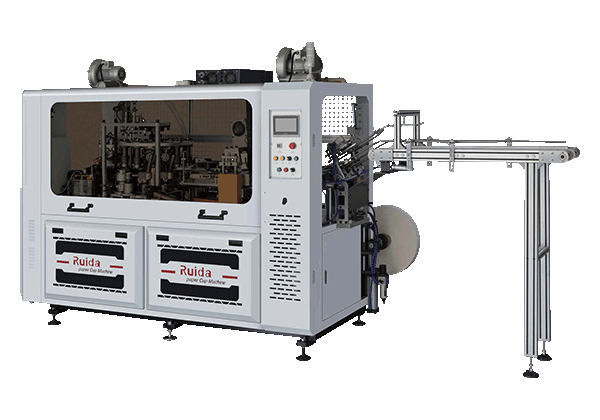
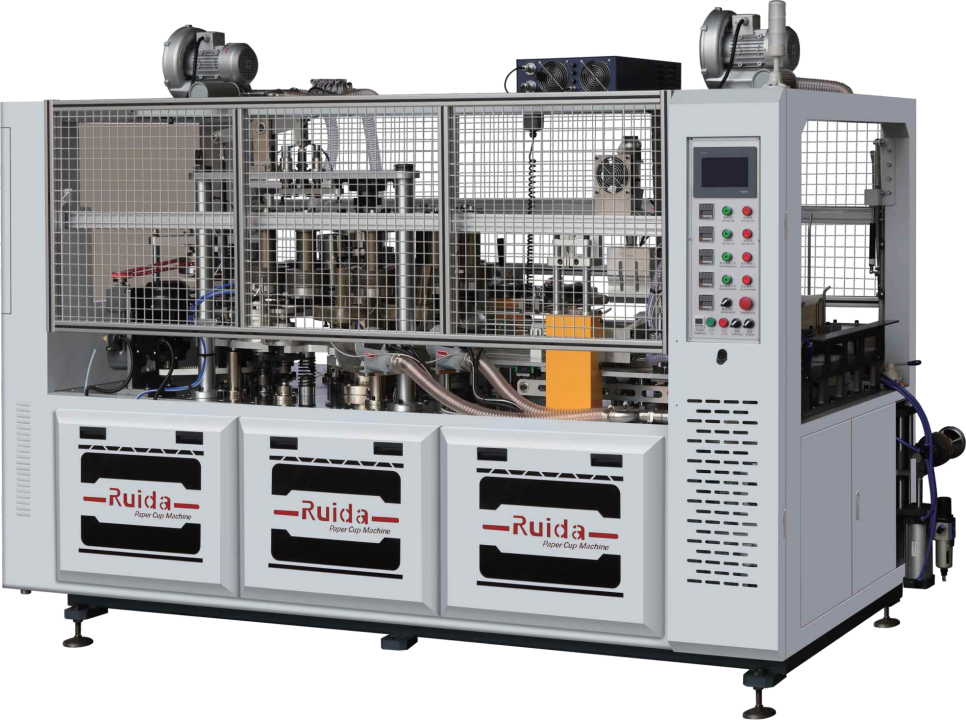
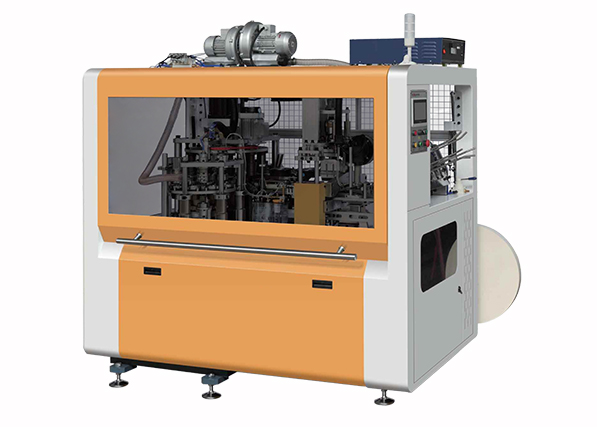
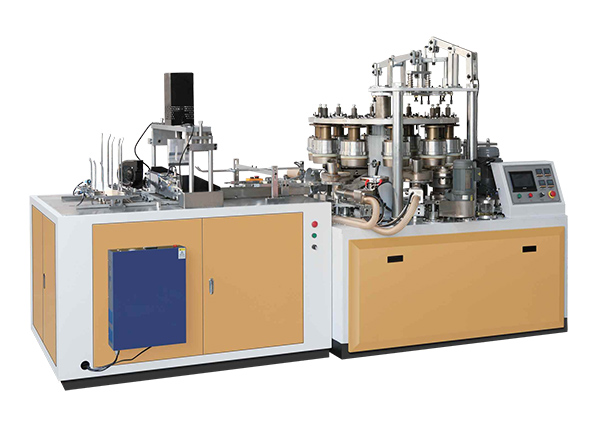
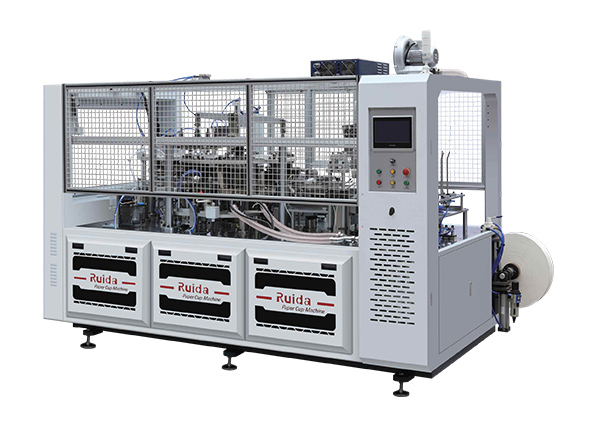
Modern paper food container manufacturing machines integrate automation with precision engineering. Fully automated models can produce thousands of uniformly sized containers per hour, significantly boosting efficiency while minimizing manual intervention. The equipment yields sturdy, leak-proof, food-safe containers. Most models offer flexible size and shape adjustments (e.g., square boxes, round containers, and lidded designs) through mold replacement, enabling rapid adaptation to diverse customer requirements.

 EN
EN