 EN
EN
Automated Precision of Paper Bowl Machine: Cutting Labor Costs and Ensuring Export-Grade Consistency
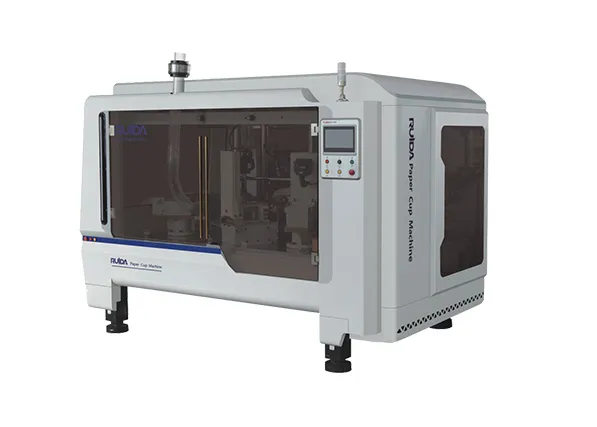
Achieving ±0.8g Fill Accuracy for Automatic EU FDA Batch Certification
Meeting EU and FDA export standards requires strict control over weight measurements. Today's tea filling machines can hit within plus or minus 0.8 grams thanks to advanced load cells and continuous monitoring systems, which satisfies those regulatory requirements set out in Regulation (EC) No 178/2002. Facilities find that when their fill variations stay under 1.2 grams, they don't need to do all that tedious manual sampling anymore, which saves around 15 hours of worker time every week. The improved accuracy means less wasted product too, cutting down on what gets given away for free by between 8 and 12 percent compared to older manual approaches. A tea company shipping to the UK actually reduced their yearly waste by 2.4 tons after upgrading their equipment. Plus, these digital weighing records automatically create documentation ready for audits, so there's no scrambling at customs checkpoints. This avoids costly fines that can exceed $50,000 per shipment and speeds up the whole border clearance process significantly.
Throughput Optimization: Scaling Output from Local to Global Export Volumes
Standard Configurations Boost Capacity from 60 to 240 Cups/Hour
Tea filling systems today let export companies boost their output four times over without having to completely redesign their workflow processes. These systems come in modular setups that keep fill accuracy within plus or minus 0.8 grams across all production levels, which means they meet those strict EU and FDA standards regardless of whether the business is running small batches or going full speed. The numbers back it up too – when these fillers work hand in hand with paper bowl packaging equipment, cycle times drop by around 37%. That makes a big difference when there are sudden rushes in orders during peak seasons, cutting down on the need for extra hands at critical points in the production line.
Balancing Speed and Flexibility: Avoiding Over-Automation Pitfalls in Small-Batch Exports
High volume automation definitely boosts productivity, but when it comes to those tricky niche export markets that need small runs or custom stuff, inflexible systems just don't cut it. Smart factories have started mixing things up with hybrid setups these days. The automated filling lines work right alongside old school manual inspections and adaptable packaging areas where workers can tweak things on the fly. This approach keeps things nimble enough for those specialty orders around 500 to maybe 1,200 pieces, yet still maintains pretty good uptime rates somewhere near 90% most of the time. And honestly, meeting those tight air freight windows becomes much easier without having to pay extra for all those weekend shifts.
Seamless Integration with Paper Bowl Machines for End-to-End Export Packaging
Synchronized Feeding, Filling, and Sealing Cuts Cycle Time by 37%
Manufacturers who focus on exports see big gains in efficiency when they use integrated packaging systems. When paper bowl machines work hand in hand with automatic filling and sealing units, factories can get rid of those annoying manual transfer points that slow things down. According to recent industry reports from 2024, this kind of full automation cuts down on handling steps by about two thirds. The whole process flows continuously, keeping everything lined up properly from bowl making to filling and putting on lids. Sensors give constant feedback so conveyor belts speed up or slow down just right to avoid getting stuck or messed up. Cycle times drop by nearly 40% compared to separate equipment setups. For exporters, there's less product sitting around exposed during transfers, which helps meet strict international food safety requirements. Plus, packaging waste goes down around 19% on average. These systems automatically record all production details needed for export certifications, making paperwork much easier to handle.
Reliability & Compliance: Downtime Reduction and Predictive Maintenance for Export Timelines
When something breaks down unexpectedly in an export-focused tea operation, it doesn't just cause headaches - it puts contracts at risk and damages relationships with buyers who depend on consistent deliveries. That's where predictive maintenance comes in handy. These systems look at all sorts of data from those paper bowl machines while they're running - things like vibrations, temperatures, how well they're performing overall. The idea is catching problems early before they turn into full blown breakdowns. Tea companies that implement this kind of system report cutting their unplanned downtime almost in half. And when shipments need to happen during specific seasons, every day counts. Getting equipment fixed before it fails means tea can make it to market on time, keeping customers happy and business flowing smoothly.
For manufacturers, every single hour that a production line sits idle can mean losing around $740k per year from missed contracts plus those costly rush shipments. Switching to these smart sensor systems cuts down on emergency fixes by about half and actually makes machines last longer too. The real kicker though is how these automatic maintenance records work wonders when it comes time for audits. They create solid paper trails needed for all those certifications like EU FDA and ISO/IEC 17025 stuff. No more scrambling to find handwritten notes or trying to remember what got fixed when. And let's face it, the money saved isn't even the best part. These detailed records also help maintain those important international supplier relationships because clients can see exactly how clean and precise our operations really are.
FAQ
What is the benefit of achieving ±0.8g fill accuracy?
Achieving ±0.8g fill accuracy ensures compliance with EU and FDA standards, reduces product waste, and decreases labor costs by eliminating the need for extensive manual sampling.
How do these automated systems affect throughput optimization?
Automated systems boost productivity by allowing for increased output while maintaining accuracy, reducing cycle times, and cutting down on the need for additional labor during peak seasons.
Why is predictive maintenance crucial for export-focused tea operations?
Predictive maintenance prevents unexpected breakdowns, minimizes downtime, and ensures consistent deliveries by identifying potential issues before they escalate.
Table of Contents
- Automated Precision of Paper Bowl Machine: Cutting Labor Costs and Ensuring Export-Grade Consistency
- Throughput Optimization: Scaling Output from Local to Global Export Volumes
- Seamless Integration with Paper Bowl Machines for End-to-End Export Packaging
- Reliability & Compliance: Downtime Reduction and Predictive Maintenance for Export Timelines
- FAQ