 EN
EN
Food and Beverage: Driving Sustainable Scale with High-Performance Paper Bowl Machines
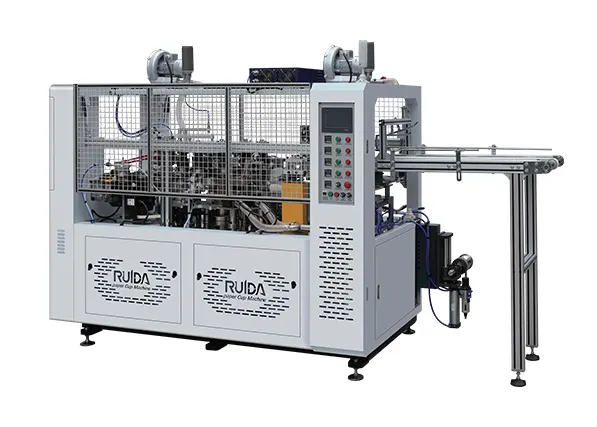
Meeting On-the-Go Demand: Leak-Resistant, Temperature-Stable Bowls via Integrated Heat Sealing
The latest heat sealing tech used in paper bowl manufacturing lets these machines make containers that can handle pretty warm stuff, around 100 degrees Celsius actually, and they won't leak either. That's super important for things like soup bowls, sauce cups, and those takeaway coffee mugs people love so much. We've seen food delivery orders jump by about 45% from 2020 to 2023, and this kind of tech helps keep those containers intact all the way from kitchen to customer. Modern equipment works by pressing down evenly on the paper and using special heat sensitive glues to stick several layers together. What this does is create barriers against steam without needing those old fashioned plastic linings everyone hates nowadays.
Case Evidence: 92% Plastic Liner Reduction for QSRs Using Dual-Station Paper Bowl Machine Technology
This aligns with regulatory shifts across 100+ countries banning single-use plastics and meets the sustainability expectations of 68% of consumers who prioritize eco-packaging (Mintel 2023). Leading manufacturers confirm scalability, with output gains offsetting material transition costs within nine months.
Hospitality & Catering: Automating Compliance with Smart Paper Bowl Machine Systems
Regulatory Catalyst: EU SUPD Acceleration and Compostability Certification Requirements
Under the EU Single Use Plastics Directive, businesses must quickly switch to certified compostable packaging materials, which means restaurants and cafes need to invest in proper paper bowl machines that meet regulations. The newer systems actually handle compliance automatically by checking if materials conform to those EN 13432 and ASTM D6400 standards we all hear about. They basically stop anything that doesn't meet requirements from getting into the actual packaging process. According to Mintel research from last year, around two thirds of customers are ready to spend extra money on green packaging options. So investing in this certified equipment not only keeps operators out of trouble with regulators but also opens doors to lucrative markets where people really care about environmental impact.
AI Vision Integration: Real-Time Defect Detection at Production Speeds Up to 18,000 Units/Hour
Modern paper bowl machines incorporate AI vision systems that perform microscopic flaw detection during high-volume production. This technology identifies material inconsistencies, sealing defects, and structural imperfections at line speeds previously unattainable with manual inspection.
Retail & E-Commerce: Leveraging Paper Bowl Machine Flexibility for Branded, On-Demand Packaging
Direct-to-Consumer Enablement: Print-Ready, Customizable Bowls for Meal Kit Fulfillment
Many meal kit companies are starting to use paper bowl machines these days to make packaging that really speaks to people worried about the environment. The machines can crank out ready-to-print bowls in just two days, which lets brands get super specific with their designs for special editions or holiday promotions. They can put all sorts of stuff on there too like QR codes so customers know where the product came from, little pictures showing if there are allergens present, and labels proving the bowls will break down properly. According to some research from last year's Food Packaging Trends Report, around seven out of ten shoppers actually care about seeing green messages on their packaging. What this all means is that what used to be just throwaway containers have become walking advertisements for brands without needing any extra stickers or labels slapped on them later.
High-Speed Flexographic Printing: Variable Data and Branding at 200 m/min on Inline Paper Bowl Machines
Today's advanced paper bowl machines come equipped with flexographic printing systems that can crank out around 200 meters per minute, which translates to roughly 18,000 branded bowls every hour. What makes these machines really stand out is their ability to print variable data dynamically across batches. Think about it: expiration dates that change per production run, compliance marks tailored to specific regions, customized nutrition facts, even promotional QR codes all printed right onto the packaging as it moves through the line. The inline printing process keeps registration accuracy under 0.1mm despite running at such high speeds, converting flat stock materials into finished bowls seamlessly. This approach cuts down on those pesky offline decoration steps that slow things down and saves companies about 23% in material waste compared to older methods according to recent packaging efficiency studies. For online retailers especially, this means they can produce exactly what they need when they need it for local marketing pushes without ending up with warehouses full of unsold stock.
Industrial Foodservice: Achieving Food Safety and Output Scale with Certified Paper Bowl Machines
Running industrial food service operations means dealing with two big headaches at once keeping food safe for consumption and churning out enough product to meet daily demands. Paper bowl machines that have proper certifications tackle these issues head on by incorporating automatic cleaning processes and running non stop without breaks. Take a look at what happens when manufacturers build in steam sterilization right into the forming process this cuts down on dangerous bacteria that causes about three quarters of all reported food poisoning cases according to the FDA from last year. At the same time, these machines rely on advanced motor systems that keep production steady around 18 thousand bowls every single hour. That kind of speed matters a lot for places like sports arenas where thousands need feeding fast, correctional facilities with strict schedules, and medical centers that operate 24/7.
FAQ
What are the benefits of using paper bowl machines in food services?
Paper bowl machines ensure leak-resistant, temperature-stable packaging that conforms to modern sustainability standards. They are essential for meeting demand while reducing reliance on plastic liners.
How do these machines contribute to sustainability?
The machines offer significant reductions in plastic liner usage by incorporating biodegradable coatings, aligning with global efforts to reduce single-use plastics.
How do paper bowl machines ensure compliance with environmental regulations?
These machines automatically verify material compliance with standards like EN 13432 and ASTM D6400, ensuring only certified compostable materials are used.
What role does AI play in modern paper bowl machines?
AI systems are integrated for real-time defect detection, improving production accuracy and reducing waste during high-speed manufacturing.
Can paper bowl machines handle custom branding needs?
Yes, these machines feature advanced flexographic printing systems that allow dynamic branding and data printing directly onto the packaging.
Why are certified machines crucial for industrial food service operations?
Certified machines offer seamless scalability and automatic cleaning processes, which are vital for maintaining food safety and high-volume output.
Table of Contents
- Food and Beverage: Driving Sustainable Scale with High-Performance Paper Bowl Machines
- Hospitality & Catering: Automating Compliance with Smart Paper Bowl Machine Systems
- Retail & E-Commerce: Leveraging Paper Bowl Machine Flexibility for Branded, On-Demand Packaging
- Industrial Foodservice: Achieving Food Safety and Output Scale with Certified Paper Bowl Machines
-
FAQ
- What are the benefits of using paper bowl machines in food services?
- How do these machines contribute to sustainability?
- How do paper bowl machines ensure compliance with environmental regulations?
- What role does AI play in modern paper bowl machines?
- Can paper bowl machines handle custom branding needs?
- Why are certified machines crucial for industrial food service operations?