
 EN
EN
Paper Bucket Machine : Automation and Smart Controls That Maximize ROI
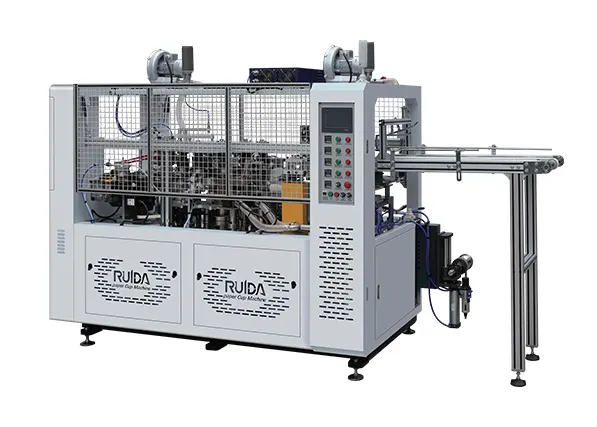
Real-time monitoring and predictive maintenance via IoT-enabled paper bucket machine controls
Today's paper bucket manufacturing equipment comes equipped with IoT sensors that track things like heat levels, pressure changes, and machine vibrations as they happen. These sensors catch problems early before they become big issues, such as when bearings start wearing down or motors aren't running efficiently anymore. According to a recent report from Deloitte in their 2024 Smart Manufacturing Study, factories using this kind of monitoring system see about half the unexpected shutdowns compared to traditional methods. When parts need replacing, workers can do it during regular maintenance breaks instead of waiting for something to break completely. This practice actually makes machines last around 27% longer while keeping product quality steady throughout production runs. Most systems now have remote access panels where staff can adjust running speeds, control tension settings, and tweak glue application without stopping the whole line. Such adjustments help save electricity costs and cut down on material waste over time.
Reduced labor dependency in automated production lines
Most production lines used to need around three or four people working manually. Now robots take over these roles completely. When it comes to applying glue, shaping parts, and spotting defects, machines equipped with smart vision systems can maintain accuracy within just 1.5% variation – something humans simply can't match consistently day after day. Companies report saving about 30% on wages while also eliminating those costly workplace injuries related to repetitive motions. Plus factories can run overnight without anyone present since there's no human fatigue factor anymore. What this means practically is manufacturers can ramp up production when needed without hiring extra staff first. Labor expenses that were once fixed overhead items are now adjustable based on actual market demand instead of being tied to headcount requirements.
Strong Economic Case: TCO, Speed, and Accelerated Payback
CAPEX vs. 3-year TCO: Paper bucket machine versus semi-automatic alternatives
Initial CAPEX for paper bucket machines is higher—but total cost of ownership (TCO) over three years tells a different story. Automation cuts labor expenses by 40–60% and slashes maintenance costs by 30% versus retrofitted semi-automatic systems, thanks to standardized components and predictive monitoring.
High-speed output (≥120 units/min) cuts ROI timeline to under 14 months
When it comes to return on investment, throughput really makes the difference. Machines capable of processing over 120 units per minute typically reach their break-even point within just 14 months of operation. Faster production speeds mean factories need about 35% less floor space compared to traditional manual setups. Plus, these systems handle last-minute orders much better and maintain impressive 94% uptime rates, which matters a lot when trying to avoid those costly stockouts or warehouse overstock situations. Another advantage worth mentioning is how servo technology actually lowers power consumption by around 28% for every thousand items produced. These savings stack up across multiple areas including production speed, factory footprint requirements, and environmental impact considerations.
Sustainability Leadership Through Eco-Conscious Packaging
62% lower carbon footprint vs. plastic bucket extrusion—verified lifecycle analysis
When it comes to environmental impact, paper bucket machines stand out pretty clearly. Studies published in reputable journals show these machines create about 60 something percent less carbon than traditional plastic extrusion methods. What makes them so green? They work with renewable fibers, use adhesives that break down naturally, and produce no harmful VOCs during manufacturing. This approach cuts down on what ends up in landfills while still keeping the buckets strong enough for serious industrial use. Looking at the business side, most companies aren't buying into empty eco claims anymore. Recent surveys indicate around three quarters of business customers actively seek out suppliers who can back up their sustainability promises with real documentation. For manufacturers, this means going green isn't just good for the planet anymore it's becoming essential for winning contracts and building customer trust in competitive markets.
Precision Engineering for Flexibility and Reliability
Modern paper bucket machines have become much more adaptable thanks to precision engineering techniques. When forming dies, cutting assemblies, and glue nozzles are manufactured with micron level accuracy, they handle different paper weights from around 120 to 350 grams per square meter consistently. This means there's no need for time consuming recalibrations when switching products. Engineers also model how stress distributes through load bearing frames to prevent failures over time. Meanwhile, special servo drives that dampen vibrations can keep running at about 120 units per minute with close to 98 percent uptime most of the time. What this all adds up to is real operational resilience. Machines perform reliably even when facing sudden increases in demand, changes in materials used, or long production shifts without sacrificing quality standards or causing unexpected shutdowns.
FAQ
How do IoT sensors improve the performance of paper bucket machines?
IoT sensors monitor heat levels, pressure changes, and vibrations in real time, allowing manufacturers to detect and fix problems early, thereby extending machine life and maintaining production quality.
What are the benefits of reducing labor dependency on automated production lines?
Reducing labor dependency involves using robots to perform tasks like gluing and shaping parts. This leads to a reduction in labor costs, eliminates workplace injuries, and allows for flexible production hours without human interventions.
Why is the initial investment in paper bucket machines worthwhile in the long run?
The higher initial CAPEX for paper bucket machines is offset by lower labor and maintenance costs, delivering a significant reduction in total cost of ownership over a three-year period.
What makes paper bucket machines more sustainable compared to plastic bucket extrusion?
Paper bucket machines use renewable fibers and natural adhesives, producing a lower carbon footprint and reducing landfill waste compared to plastic extrusion methods.
How do paper bucket machines maintain flexibility in production?
Due to precision engineering, paper bucket machines can handle diverse paper weights and make rapid adjustments without recalibrations, ensuring consistent and reliable performance without unexpected shutdowns.
Table of Contents
- Paper Bucket Machine : Automation and Smart Controls That Maximize ROI
- Strong Economic Case: TCO, Speed, and Accelerated Payback
- Sustainability Leadership Through Eco-Conscious Packaging
- Precision Engineering for Flexibility and Reliability
-
FAQ
- How do IoT sensors improve the performance of paper bucket machines?
- What are the benefits of reducing labor dependency on automated production lines?
- Why is the initial investment in paper bucket machines worthwhile in the long run?
- What makes paper bucket machines more sustainable compared to plastic bucket extrusion?
- How do paper bucket machines maintain flexibility in production?