
 EN
EN
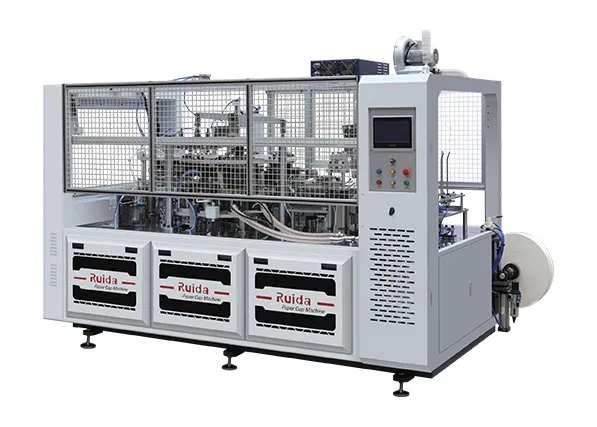
Precision Engineering for Superior Paper Bowl Machine
Servo-Controlled Forming and Rimming for Consistent Dimensional Accuracy
Today's paper bowl manufacturing equipment relies on closed loop servo technology to get those super fine details right during shaping and rim curling processes. The system constantly tweaks both pressure settings and positioning on the fly, which means it can handle paper thickness changes down to about plus or minus 0.05 millimeters. This keeps all bowl sizes within just a 0.3 percent variation range. For food packaging plants running automated fillers, this kind of consistency matters a lot because anything off by even a tiny bit might lead to production line stoppages. With instant feedback mechanisms built in, these machines manage to avoid warping issues even when cranking out over 120 bowls per minute, and each finished product maintains the same solid structural quality throughout the batch.
Sub-Millimeter Die-Cutting and Zero-Waste Nesting Algorithms
The nesting algorithms powered by CAD/CAM systems can cut down on paper waste significantly compared to older methods, sometimes as much as 20% or so depending on the material being used. With laser guided rotary dies making those super accurate cuts at around 0.1 millimeter precision, manufacturers can now produce really complex shapes like those octagonal containers for sushi without slowing things down or compromising on quality. There's also this real time monitoring system that keeps track of how the fibers are aligned in the material. When it detects something off, it automatically adjusts where the machine cuts, which helps maintain that all important tensile strength. What this means in practice is fewer times when operators have to stop and manually tweak settings, plus consistent dimensions throughout production runs even at top speeds, typically staying within about 0.15 mm tolerance.
Cold-Form Bottom Sealing with Multi-Layer Adhesion Control
There's this special cold sealing technique that actually sticks bowl bases together at around 30 to 40 degrees Celsius, which is about 60 percent cooler than what most traditional heating methods require. The process uses these pressure activated adhesives that are safe for food contact. These multi zone applicators spread the glue out in neat circular patterns across the surface. Special sensors monitor how thick the adhesive gets and automatically change how fast it flows depending on whether we're working with lighter or heavier paper stock between 180 and 500 grams per square meter. What comes out of all this engineering is really clean seals without any leaks. Tests show they can hold up to over 15 Newtons per square centimeter when pulled apart, roughly twice as strong as what most industry standards consider acceptable for preventing leaks. Plus, there's no need for those PFAS coatings anymore, and the bowls still keep liquids inside just as well as before.
Smart Automation and IoT Integration in Modern Paper Bowl Machines
Predictive Maintenance Powered by Real-Time Machine Telemetry
IoT sensors built into machinery keep an eye on things like vibrations, heat patterns, and how much power components are using. These sensors can spot problems with parts wearing down, such as bearings getting worn or motors becoming misaligned, sometimes as early as two months before something actually breaks. The ability to predict failures cuts down unexpected stoppages by around half when compared to just following a regular maintenance schedule. Looking at all this sensor data helps adjust when lubricants need changing and how tight belts should stay, which makes machines last longer and keeps production running smoother. If something looks off track according to set limits, the system automatically creates a work order so technicians know what needs attention before it becomes a bigger issue. This approach moves maintenance away from fixing things after they break towards addressing issues based on real data instead.
AI-Vision Quality Assurance: Real-Time Defect Detection and Auto-Adjustment
High resolution cameras combined with machine learning systems check each bowl as they move through production line at speeds exceeding 120 per minute. These smart systems spot issues like bent rims, faulty coatings, and poor seals with impressive accuracy around 99.7%. When something goes wrong, the system automatically adjusts parameters such as mold pressure, glue amounts, or drying temps within half a second or so. This real time feedback loop keeps waste materials from piling up and ensures dimensions stay within tight specs of plus or minus 0.3 mm. The result? About 30 percent fewer rejected products than what traditional quality checks typically produce.
Sustainability Advancements Embedded in Paper Bowl Machine Design
Water-Based Barrier Coating Systems Eliminating PFAS in Certified Paper Bowl Machines
The latest machinery now comes equipped with water based coating systems that are replacing those pesky PFAS substances with plant derived coatings approved by both the FDA and EU regulations. The process involves precise nozzles and infrared drying techniques which create consistent oil resistant films across surfaces while still keeping materials recyclable and free from harmful leftovers. With countries around the world cracking down on forever chemicals these days, manufacturers are turning to this tech as it fits right into the growing demand for biodegradable packaging options. Consumers want greener products and regulators are pushing for safer alternatives, so companies that adopt these new methods find themselves better positioned in today's competitive market landscape.
Agri-Waste-Compatible Molding Dies for Wheat Straw and Bagasse Substrates
Paper bowl machines equipped with specialized molds can work with various agricultural leftovers like wheat straw and bagasse thanks to improved pressure settings and steam compaction techniques. These modifications address the problem of brittle fibers, making the compaction process about 40% faster and reducing energy consumption by around 30% compared to when using fresh pulp. The finished bowls have similar strength to regular paperboard products but they also help keep farm waste out of landfills. This is good news for anyone interested in circular economy principles throughout the entire food packaging industry.
FAQ Section
What are the advantages of servo-controlled forming in paper bowl production?
Servo-controlled forming offers precise dimensional accuracy, maintaining bowl size consistency with a variation range of just 0.3%. This technology minimizes production line stoppages and maintains structural quality throughout batches.
How do nesting algorithms reduce paper waste?
Nesting algorithms, powered by CAD/CAM systems, reduce paper waste by up to 20% through sub-millimeter die-cutting precision. These algorithms optimize material usage and produce complex shapes efficiently.
What is cold formation bottom sealing?
Cold-form bottom sealing is a technique that seals bowl bases at around 30 to 40 degrees Celsius using pressure-activated adhesives. This method provides strong seals without leaks and eliminates the need for PFAS coatings.
How does predictive maintenance in paper bowl machines work?
Predictive maintenance uses IoT sensors to monitor machinery for issues like worn components. It helps predict failures before they occur, reducing unexpected stoppages and extending machine lifespan.
How do paper bowl machines handle agricultural leftovers?
Specialized molding dies in paper bowl machines can process agricultural leftovers like wheat straw and bagasse. This reduces energy consumption and waste, supporting a circular economy in the food packaging industry.
What is the significance of water-based coatings in paper bowl machines?
Water-based coatings, replacing PFAS, are plant-derived and approved by FDA and EU regulations. They create recyclable, oil-resistant films, meeting consumer demand for eco-friendly packaging while adhering to regulatory standards.
Table of Contents
- Precision Engineering for Superior Paper Bowl Machine
- Smart Automation and IoT Integration in Modern Paper Bowl Machines
- Sustainability Advancements Embedded in Paper Bowl Machine Design
-
FAQ Section
- What are the advantages of servo-controlled forming in paper bowl production?
- How do nesting algorithms reduce paper waste?
- What is cold formation bottom sealing?
- How does predictive maintenance in paper bowl machines work?
- How do paper bowl machines handle agricultural leftovers?
- What is the significance of water-based coatings in paper bowl machines?