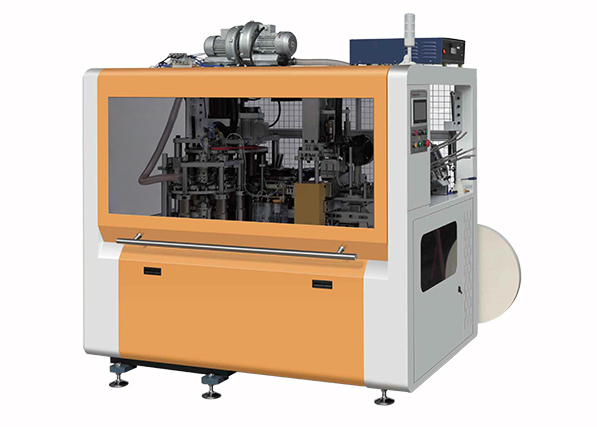
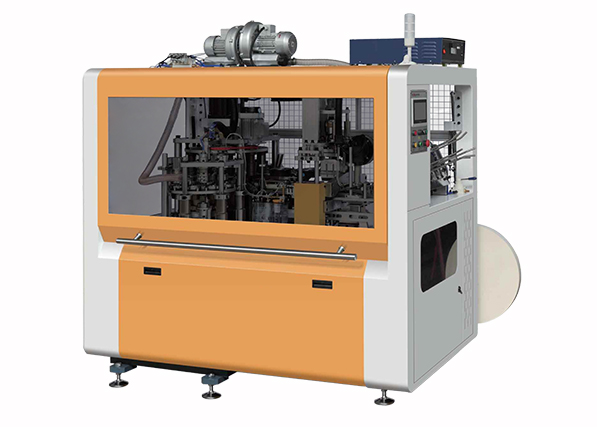
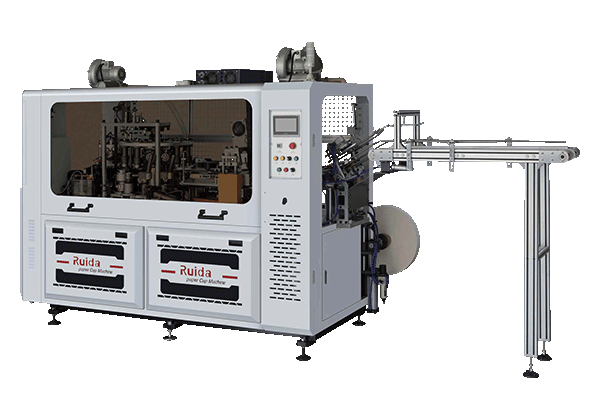
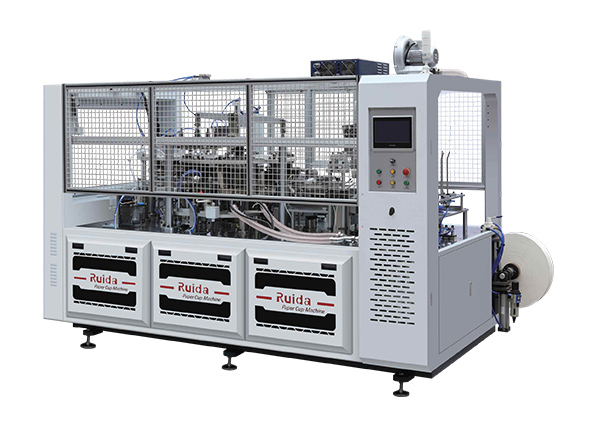
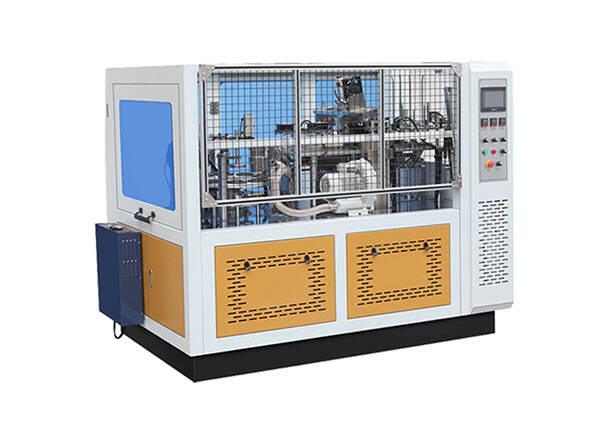
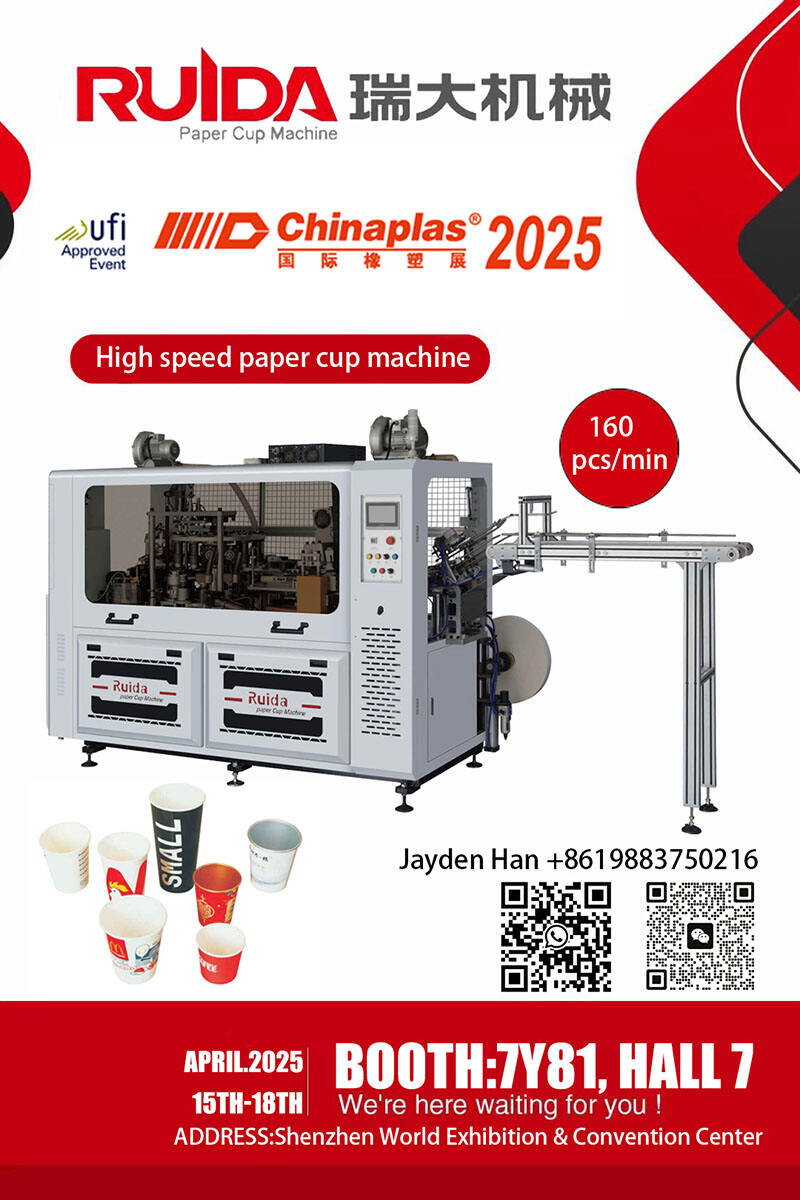
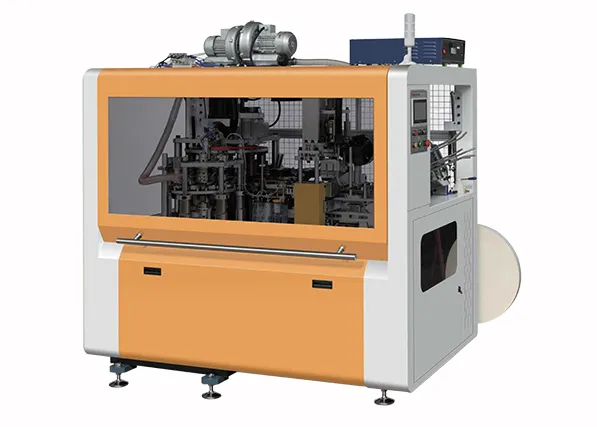
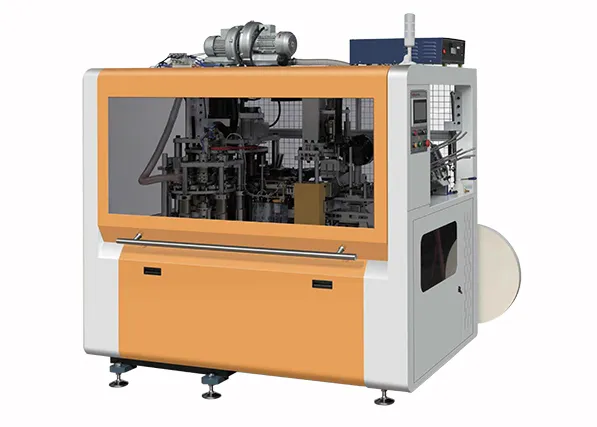
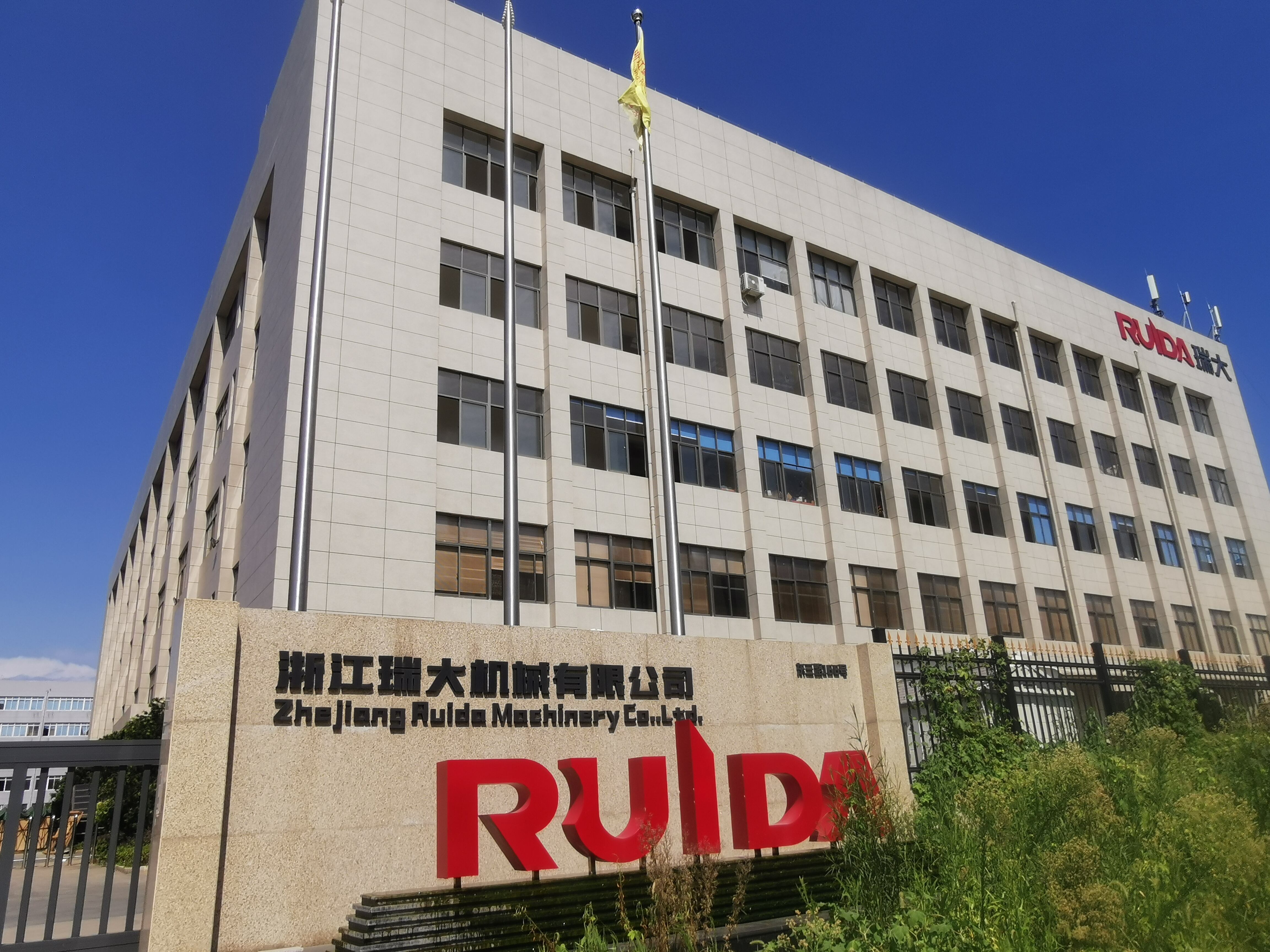
Automatic Paper Cup Manufacturing Machine: The Efficient Engine Driving a Sustainable Future
Globally, plastic pollution has become an increasingly severe issue. Governments worldwide have successively introduced plastic restriction policies, while consumer environmental awareness continues to grow. Against this backdrop, paper cups have emerged as a vital alternative to traditional plastic products, with market demand steadily rising. The advent of the automatic paper cup manufacturing machine not only provides businesses with highly efficient production tools but also serves as a core driving force for the green economic transition.
I. Technological Innovation Drives Production Efficiency Leaps
Through highly integrated design, automatic paper cup manufacturing machines achieve fully automated production from roll paper raw materials to finished cups. Their precision mechanical systems continuously complete multiple processes—including paper feeding, cup forming, side seam heat sealing, base reinforcement, and rim curling—with output exceeding 100 units per minute. This high-efficiency operation significantly reduces unit costs while decreasing reliance on manual labor, enabling enterprises to achieve large-scale output with fewer human resources.
II. Responding to Environmental Trends, Empowering Green Business Ecosystems
With over 100 countries implementing bans on single-use plastics, paper cups have become the preferred packaging choice for food service, retail, and large-scale events. Automatic paper cup machines utilize food-grade kraft paper or renewable paper materials combined with water-based coating technology, ensuring full compliance with biodegradable and compostable certification standards. By adopting this equipment, businesses not only meet regulatory requirements but also cultivate an “eco-friendly brand” image, attracting the growing green consumer market.
III. Consistent Quality Ensures Market Competitiveness
Compared to traditional manual or semi-automatic production, fully automated equipment eliminates human error. Each paper cup maintains highly consistent thickness, diameter, and seam strength, preventing leakage or deformation issues. This stability is particularly suited for chain brand clients, helping them maintain product experience and brand reputation. Additionally, the automated production environment significantly reduces microbial contamination risks, meeting food safety management system requirements such as HACCP and ISO22000.
IV. Lowering Entry Barriers and Revitalizing Regional Economies
The modular design of automated paper cup machines enables small and medium-sized enterprises to enter the packaging supply chain with minimal initial investment. Certain models support flexible adjustments to cup dimensions and printed patterns, allowing manufacturers to swiftly respond to customized client demands. Localized paper cup production also reduces carbon emissions from long-distance transportation, fostering a regional circular economy model encompassing “production-sales-recycling.” This approach creates employment opportunities and drives industrial upgrading.

 EN
EN