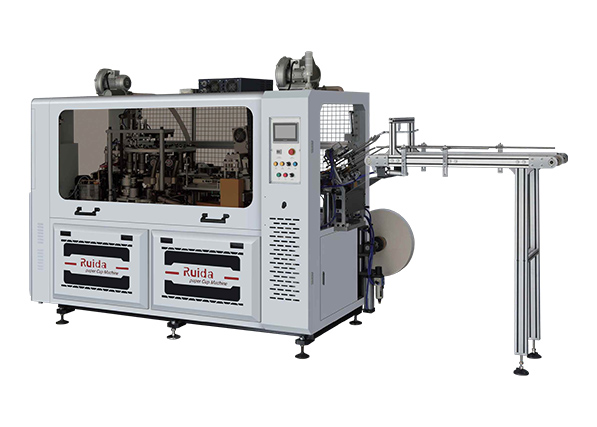
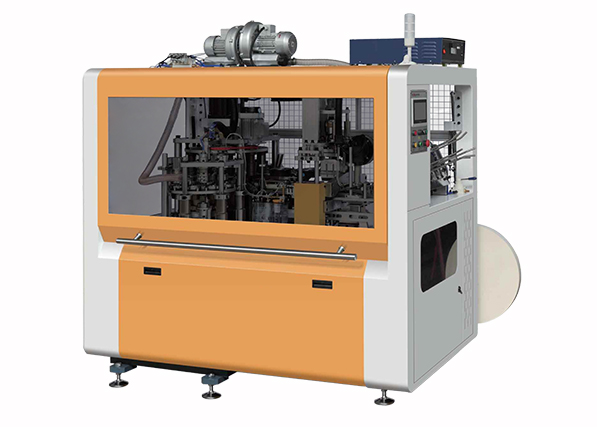
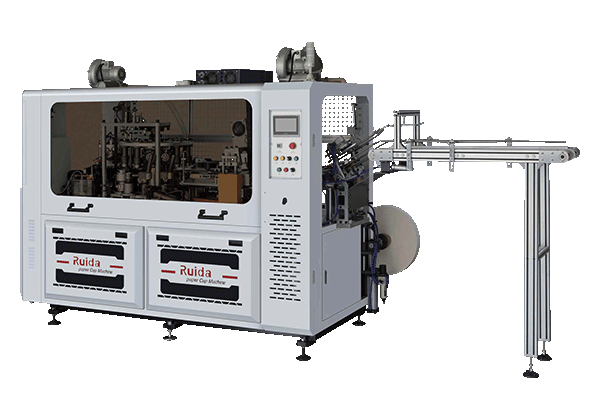
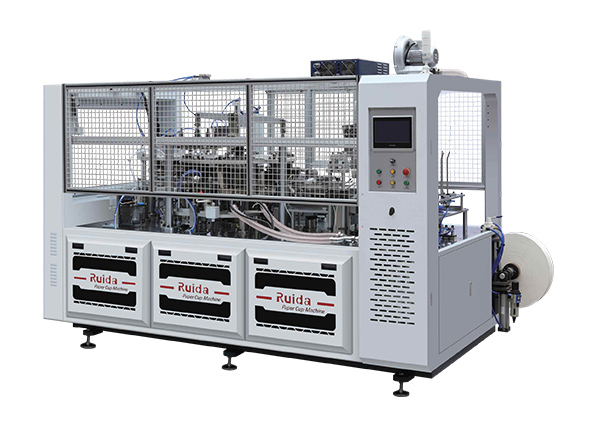
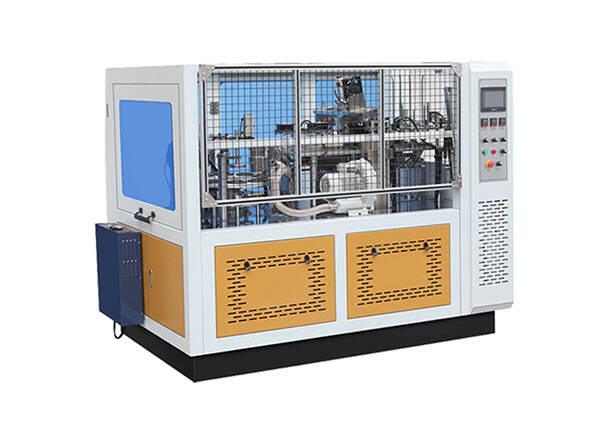
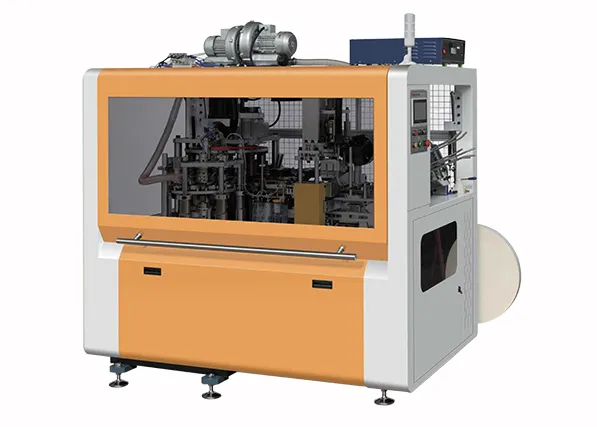
In today's era that equally values environmental protection and efficiency, the advent of fully automated disposable clay cup manufacturing machines holds profound significance. It precisely responds to the global surge in plastic bans and the pursuit of sustainable development, enabling manufacturers to mass-produce 100% natural, biodegradable products. This positions them at the forefront of the green economy, meeting the core demand for sustainable disposables from numerous tea houses, cafes, and eco-conscious consumers.
More importantly, this machine revolutionizes traditional ceramic production. It transforms a labor-intensive craft into an efficient industrial process, successfully breaking through production bottlenecks. This allows products with a handcrafted aesthetic to be mass-produced commercially, making this rustic tea-drinking experience accessible and affordable.
From a commercial operations perspective, its value lies in unparalleled efficiency and profitability. The equipment consistently produces hundreds of uniformly sized tea cups at high speeds, not only effortlessly fulfilling large orders but also drastically reducing reliance on skilled artisans. This significantly lowers long-term labor costs while maximizing return on investment through precise control of raw material inputs.
Simultaneously, machine production guarantees exceptionally stable and high-quality output. Each cup exhibits flawless uniformity, lending the product a high degree of professionalism and market trustworthiness. This makes it a reliable consumable preferred by brands. Ultimately, investing in such equipment represents a strategic decision to unlock new growth opportunities. It empowers manufacturers to secure substantial orders from international chain brands or major distributors, enter the premium catering supply market, and establish robust competitive advantages by offering unique, cost-effective eco-friendly products. In essence, this machine transcends ordinary equipment—it serves as a powerful nexus bridging traditional craftsmanship with modern commerce, environmental responsibility with profit objectives, and stands as the pivotal engine transforming clay into sustainable wealth.

 EN
EN