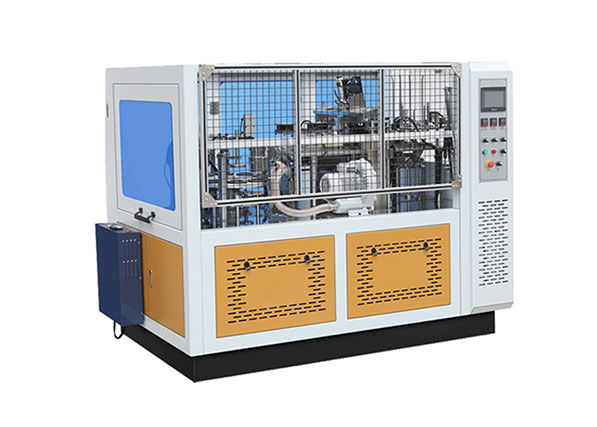
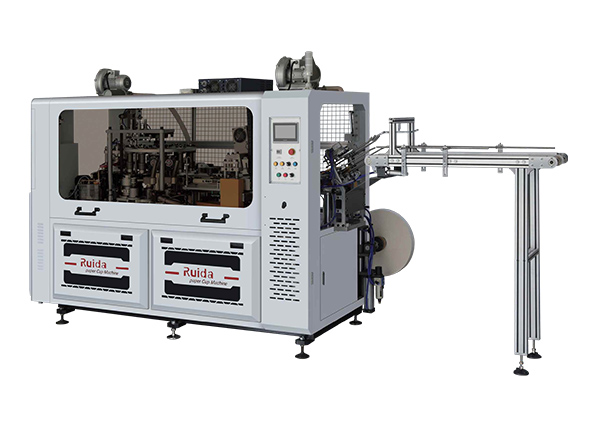
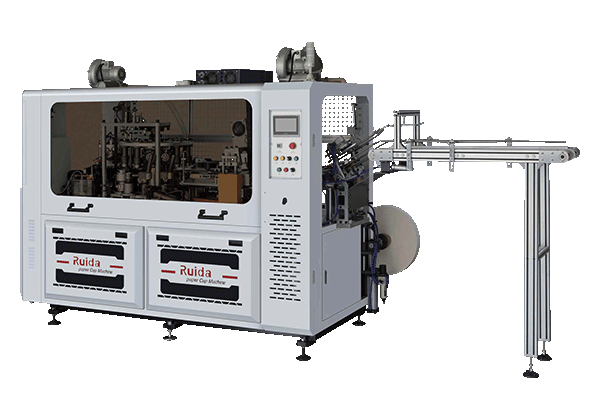
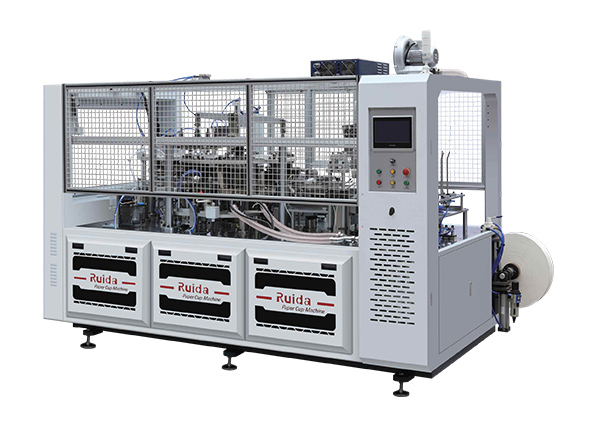
Shaping the Future of the Industry: How Disposable Coffee Cup Machines Are Redefining the Packaging Landscape
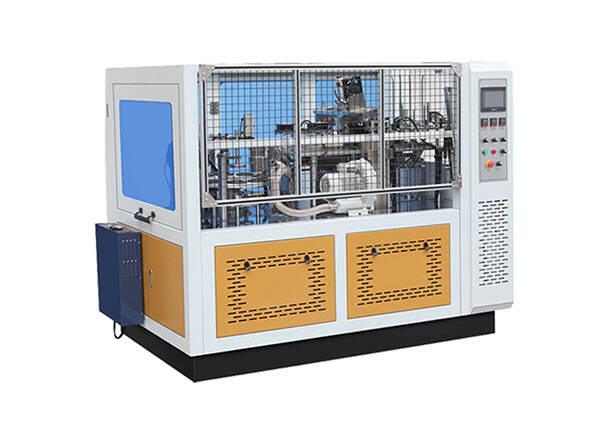
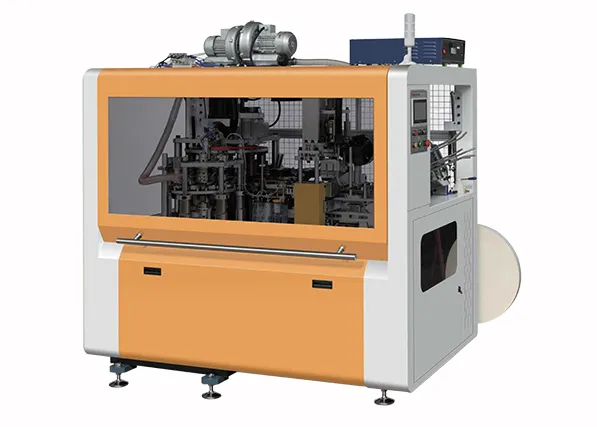
In today's fiercely competitive business environment, disposable coffee cup machines have transcended their role as mere production equipment to become essential tools for strategic corporate transformation. By establishing in-house manufacturing capabilities, businesses gain significant cost control advantages, eliminating dependence on third-party suppliers and effectively mitigating risks from market price fluctuations. This self-sufficient production model not only drastically reduces per-unit manufacturing costs but also ensures supply chain stability and reliability, fundamentally eliminating production disruptions caused by packaging shortages.
From a brand-building perspective, this equipment grants businesses unprecedented marketing flexibility. Each produced coffee cup becomes a mobile brand ambassador. Companies can instantly manufacture customized packaging for seasonal campaigns, special promotions, or new product launches without minimum order quantity constraints. This ability to respond instantly to market shifts enables brands to forge deeper connections with consumers through more creative and timely approaches, crafting unforgettable brand experiences.
As environmental awareness grows, sustainability has become an indispensable element of corporate development. Modern single-use coffee cup machines are specifically engineered to process various eco-friendly materials, including recycled paper and PLA liners (derived from renewable resources like corn starch). Through in-house production, businesses can steadfastly uphold their environmental commitments by offering 100% biodegradable and compostable product options. This not only significantly reduces their environmental footprint but also perfectly aligns brand values with consumer expectations.
Operationally, this technological solution offers unprecedented scalability. Whether large distributors or growing coffee chains, businesses can flexibly adjust production volumes to meet actual demand. This operational independence not only enables experimentation with new product specifications and material types but also opens a new revenue stream by supplying packaging to other enterprises, providing sustained momentum for business growth.
More importantly, in-house production guarantees consistent product quality and hygiene safety. Businesses maintain complete control over every stage from raw materials to finished goods, eliminating quality fluctuations or storage contamination risks from external suppliers. This ensures every product delivered to customers meets the highest standards.

 EN
EN