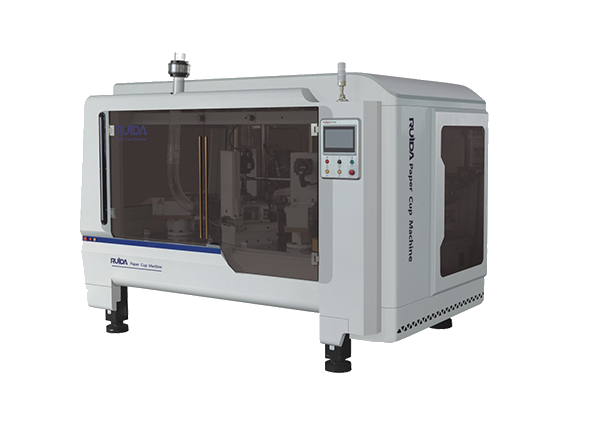
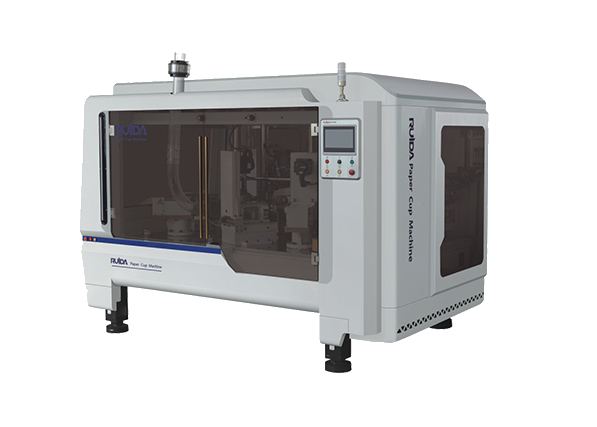
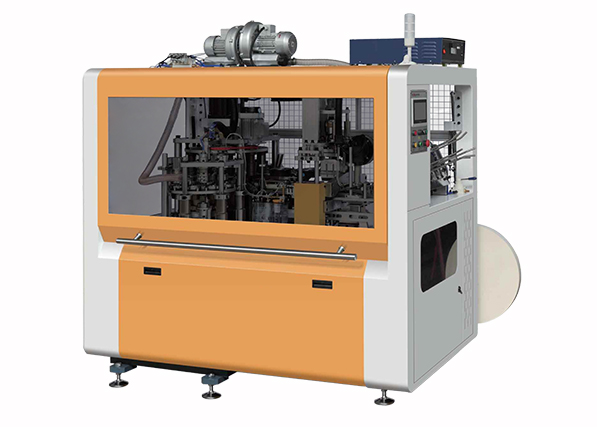
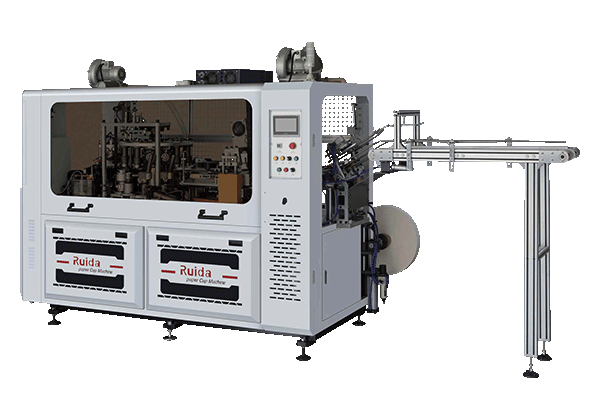
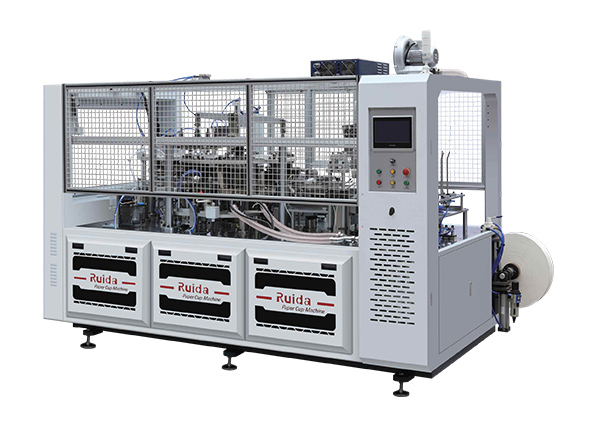
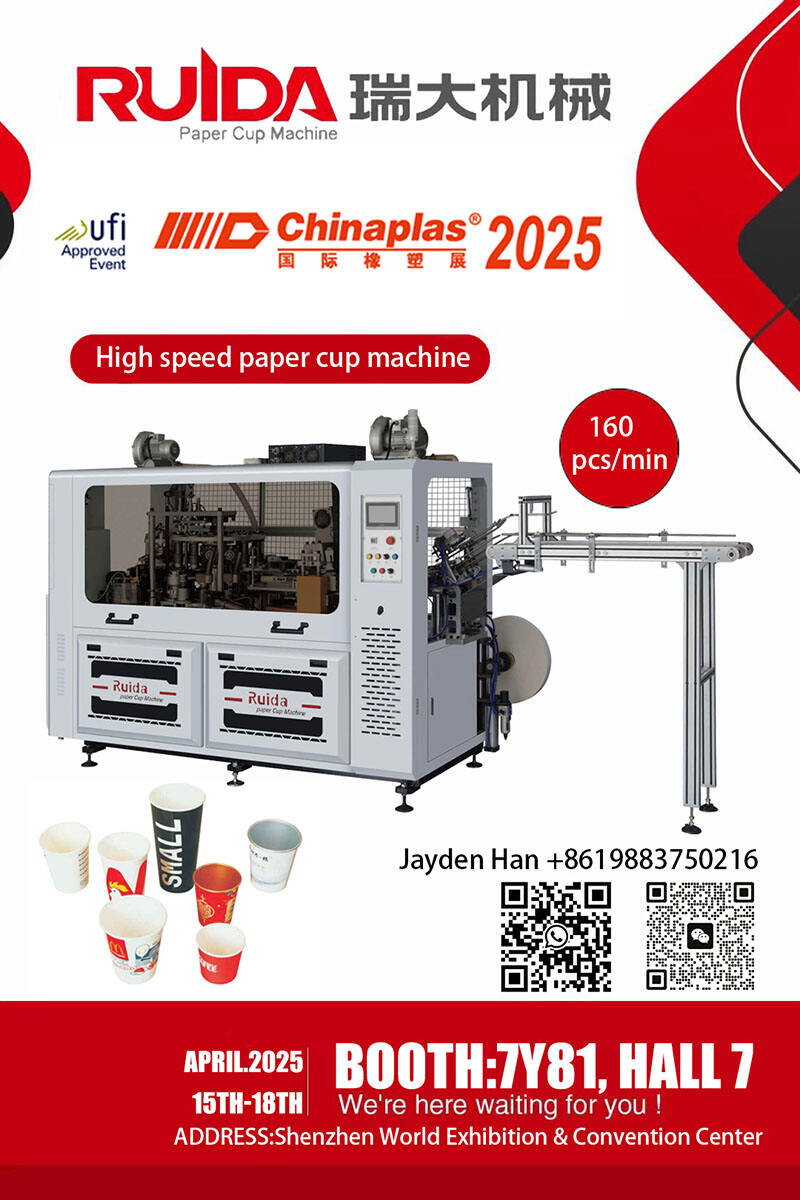
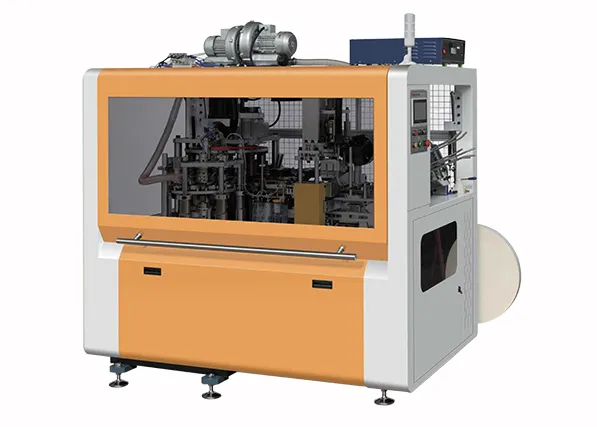
Investing in a fully automated paper cup (bowl) manufacturing system represents a forward-thinking and strategic decision for enterprises in today's market environment. Its core value lies in helping businesses seize the rapidly growing market opportunities for eco-friendly packaging driven by global plastic bans. This directly addresses the substantial demand for sustainable paper cups from food service, event/exhibition, and corporate clients, significantly enhancing a brand's modern image as an environmental responsibility leader.
From an economic perspective, this machine drastically reduces the unit cost per cup through its highly automated integrated production process. It eliminates reliance on external suppliers, enabling significant long-term cost control. Supporting an “on-demand production” model, it effectively minimizes inventory storage costs and waste while ensuring supply chain stability and avoiding stockout risks.
Regarding quality and customization, in-house production enables comprehensive control over every stage from raw materials to finished goods. This guarantees leak-proof, durable cups of consistent quality, perfectly safeguarding brand reputation. Simultaneously, companies can easily diversify their product offerings. Flexible production of various sizes, designs, and custom logos with no high minimum order quantities allows rapid response to market shifts.
Ultimately, this machine serves as a powerful engine for enhancing business resilience and profitability. It represents not only a vertical integration strategy that internalizes critical supply chain functions—effectively shielding against external price volatility and supply disruptions—but also creates new revenue streams. Companies can expand beyond internal use to supply premium products to local commercial clients, transforming a cost center into a profit center.
In essence, a fully automated paper cup manufacturing machine transcends the concept of ordinary equipment. It is a core strategic asset for businesses to address modern consumer demands, gain control over the supply chain, reduce costs, and build a sustainable brand for the future.
 EN
EN