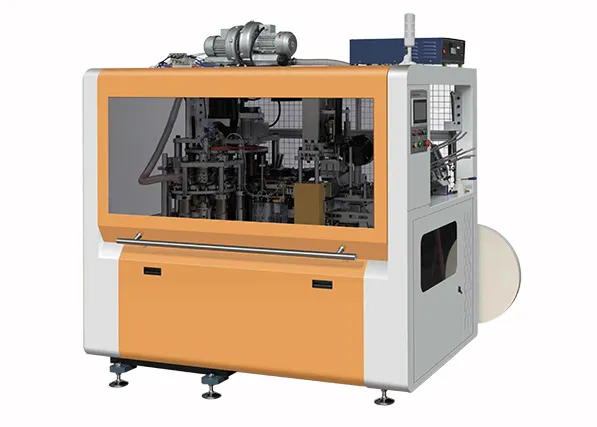
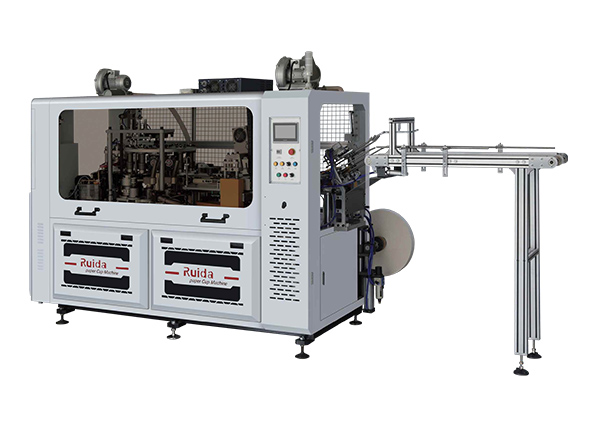
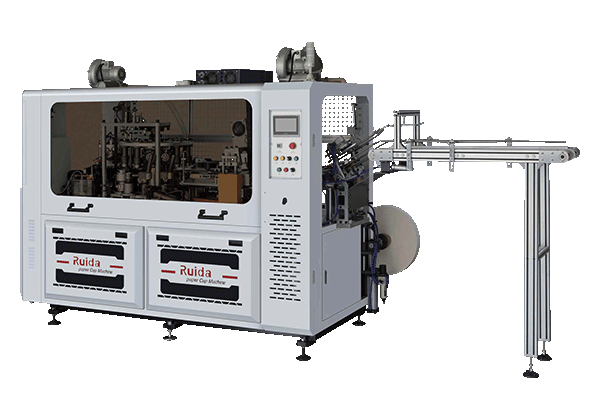
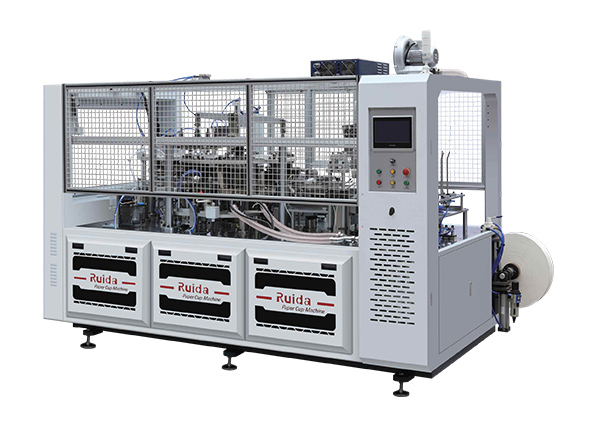
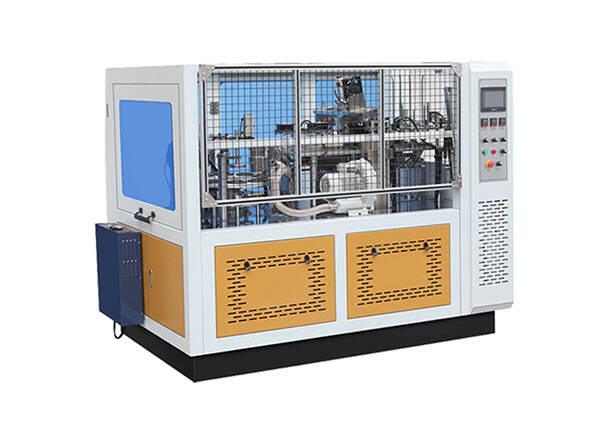
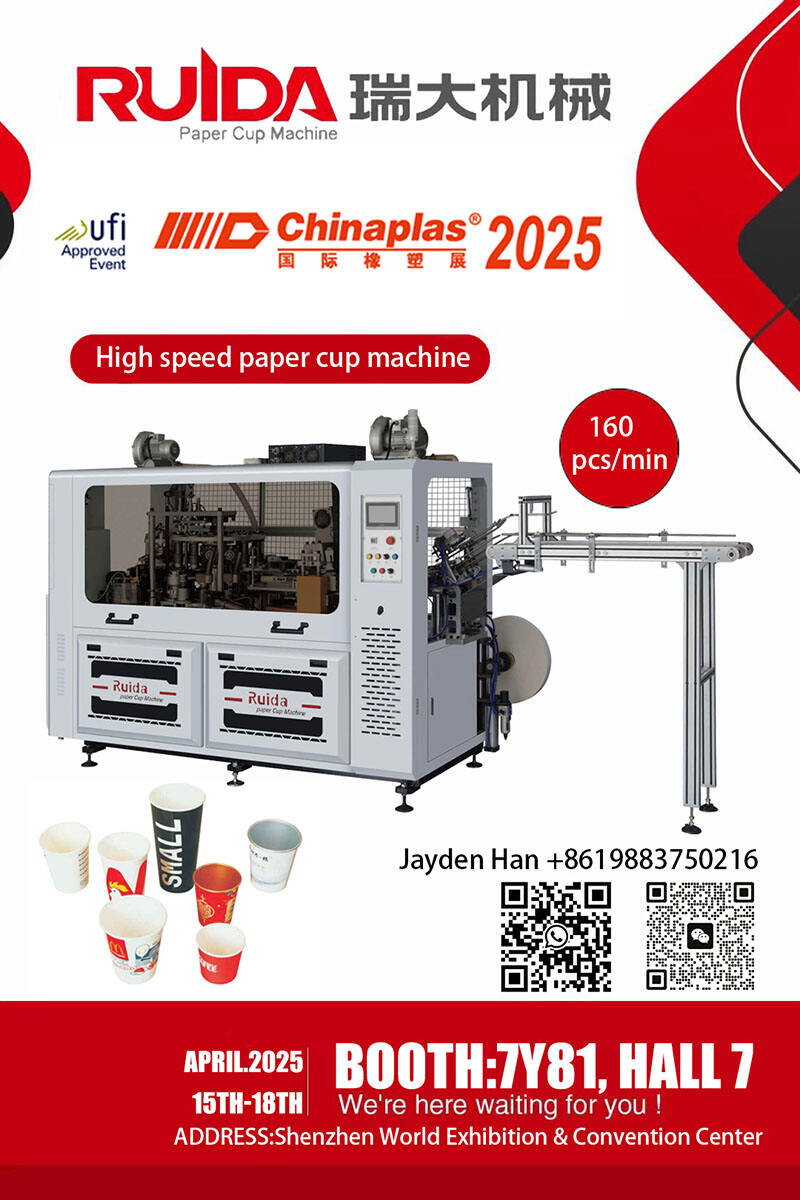
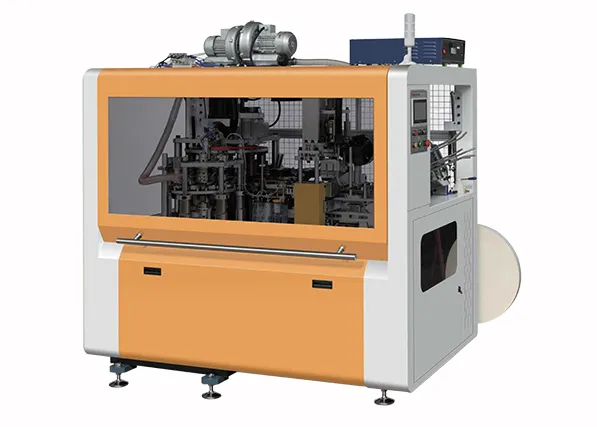
Against the backdrop of global advocacy for environmental protection and sustainable development, paper coffee cup manufacturing machines have emerged as core technological equipment bridging commercial demands with ecological responsibility. As governments worldwide impose stringent restrictions on single-use plastics and consumer environmental awareness rises, market demand for biodegradable paper cups is surging rapidly. The significance of this equipment extends far beyond container production—it represents a forward-looking business opportunity enabling enterprises to directly participate in and lead the supply chain transformation toward green packaging.
By investing in automated paper cup production lines, businesses can completely eliminate reliance on external suppliers, effectively controlling product quality, production costs, and delivery timelines. It transforms traditional procurement expenses into profit centers: leveraging highly automated processes, it efficiently completes complex operations—from paper roll to finished cup—including cup forming, printing (optional), die-cutting, side sealing, and bottom forming in a continuous flow, achieving hourly outputs of thousands of cups. This not only drastically reduces labor costs but also ensures the seal integrity and durability of every cup through standardized production, significantly enhancing brand credibility.
Furthermore, this equipment opens manufacturing opportunities for entrepreneurs and small-to-medium enterprises. It enables localized production, allowing rapid response to regional market demands for customized sizes and branded printing while reducing carbon emissions from long-distance transportation. This creates local employment and stimulates regional economic circulation.
In essence, the paper coffee cup machine transcends being mere machinery—it represents a strategic asset. It empowers businesses to ride the wave of sustainable consumption, transforming environmental commitments into tangible competitive advantages. Ultimately, it achieves a triple boost: enhanced profitability, operational autonomy, and market influence.

 EN
EN