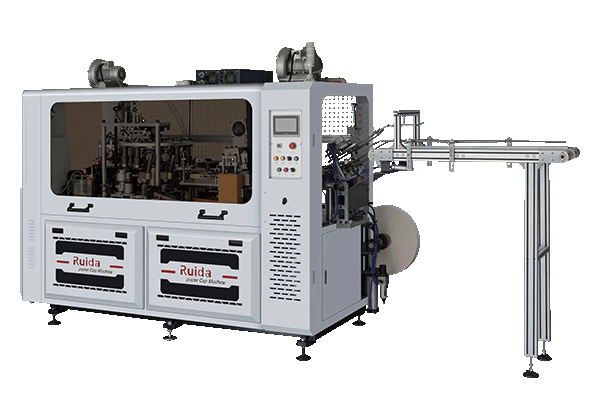
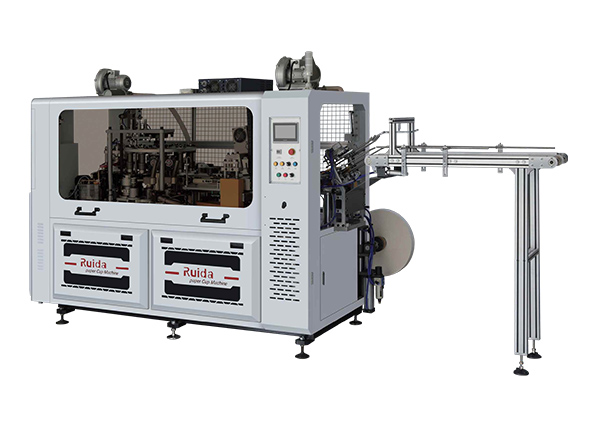
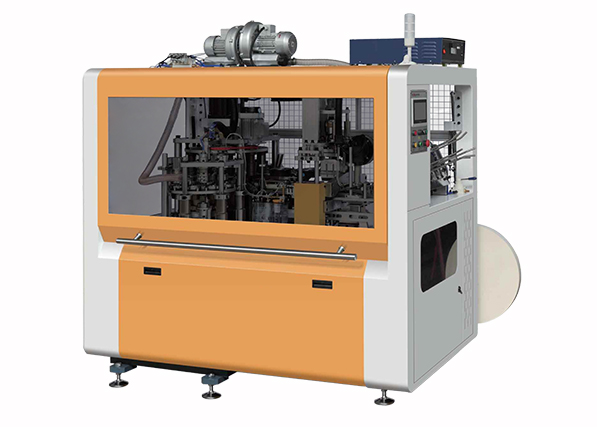
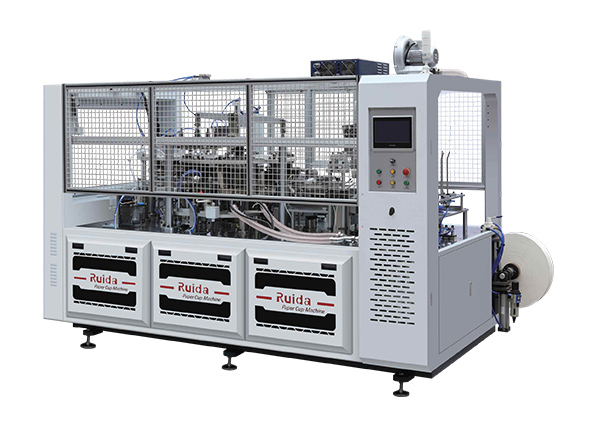
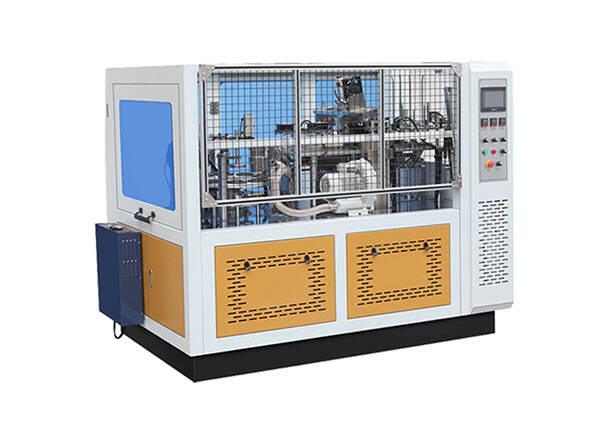
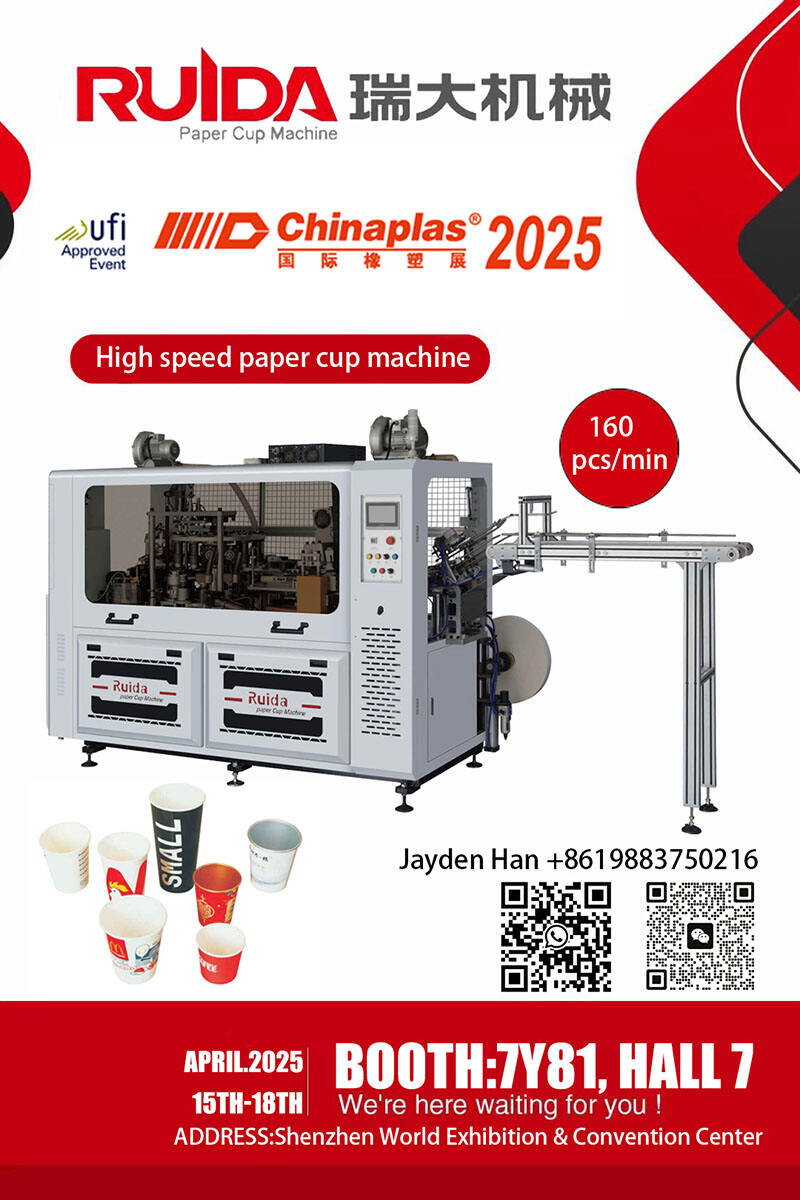
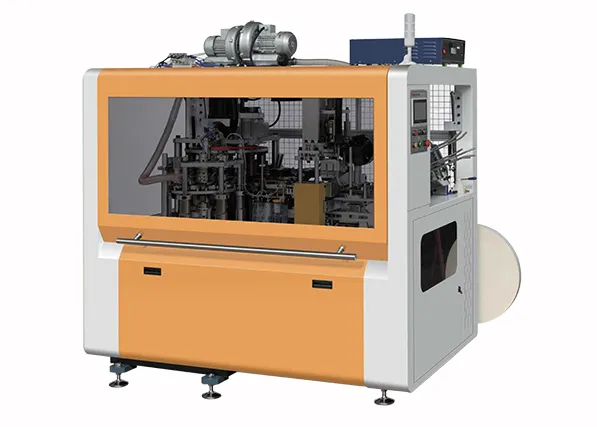
The Core Value of Paper Cup Manufacturing Machines: A Comprehensive Analysis from Production Tools to Strategic Assets
In today's fiercely competitive market environment, investing in a paper cup manufacturing machine is far more than acquiring a piece of production equipment. It represents a strategic transformation of a company's supply chain autonomy, profitability, brand value, and sustainable development capabilities. By achieving in-house production, enterprises can completely eliminate dependence on external suppliers, directly controlling product quality, production cycles, and inventory management. This not only significantly reduces long-term procurement costs but also enables rapid response to market demand shifts, markedly enhancing supply chain resilience.
From an economic perspective, while requiring upfront investment, the unit cost reduction and customized production capabilities enabled by an in-house production line open new profit avenues. Companies can not only fulfill their own packaging needs but also take on third-party custom orders. By printing exclusive branding and marketing content, ordinary packaging transforms into mobile billboards, greatly enhancing brand visibility and market competitiveness.
Furthermore, with growing global environmental awareness, adopting food-grade recycled paper and biodegradable materials has become an industry trend. In-house production lines enable precise control over raw material sourcing and manufacturing processes, allowing companies to genuinely fulfill environmental commitments and meet consumers' growing demand for sustainable packaging. Modern automated equipment, equipped with intelligent control systems (such as PLC programming) and servo drive technology, not only ensures production precision and stability but also significantly reduces the need for manual intervention and lowers energy consumption, demonstrating the comprehensive advantages of smart manufacturing.
In summary, paper cup manufacturing machines have become core equipment for modern enterprises to reduce costs, enhance efficiency, strengthen brand value, and fulfill social responsibilities. Their technical details and performance parameters directly impact production efficiency and market competitiveness, warranting thorough research and careful selection by investors.

 EN
EN