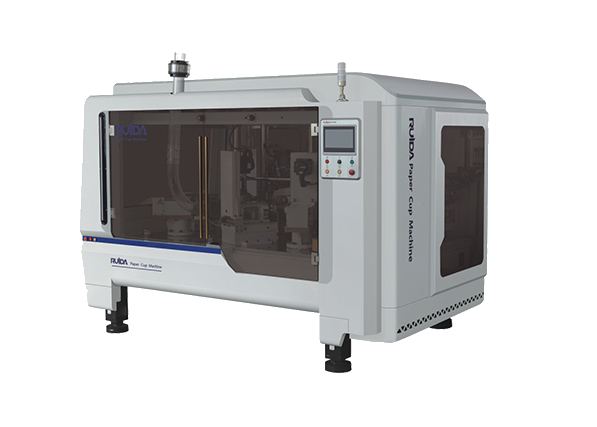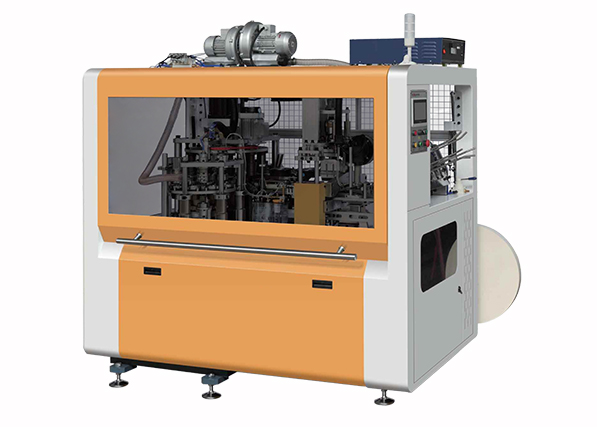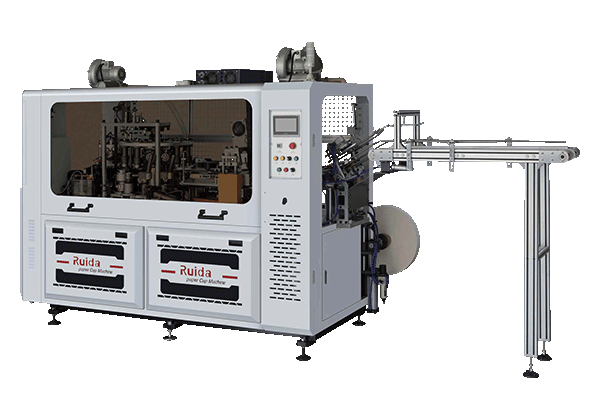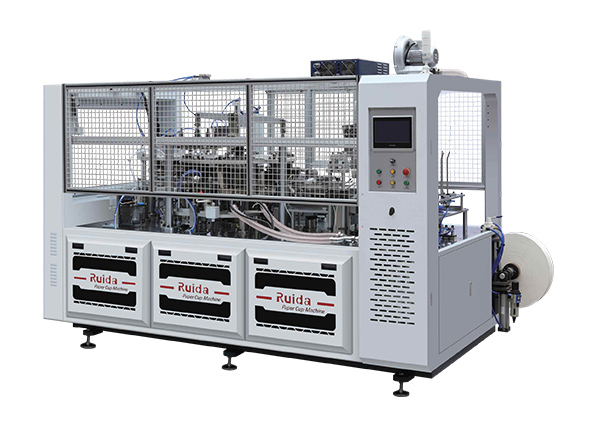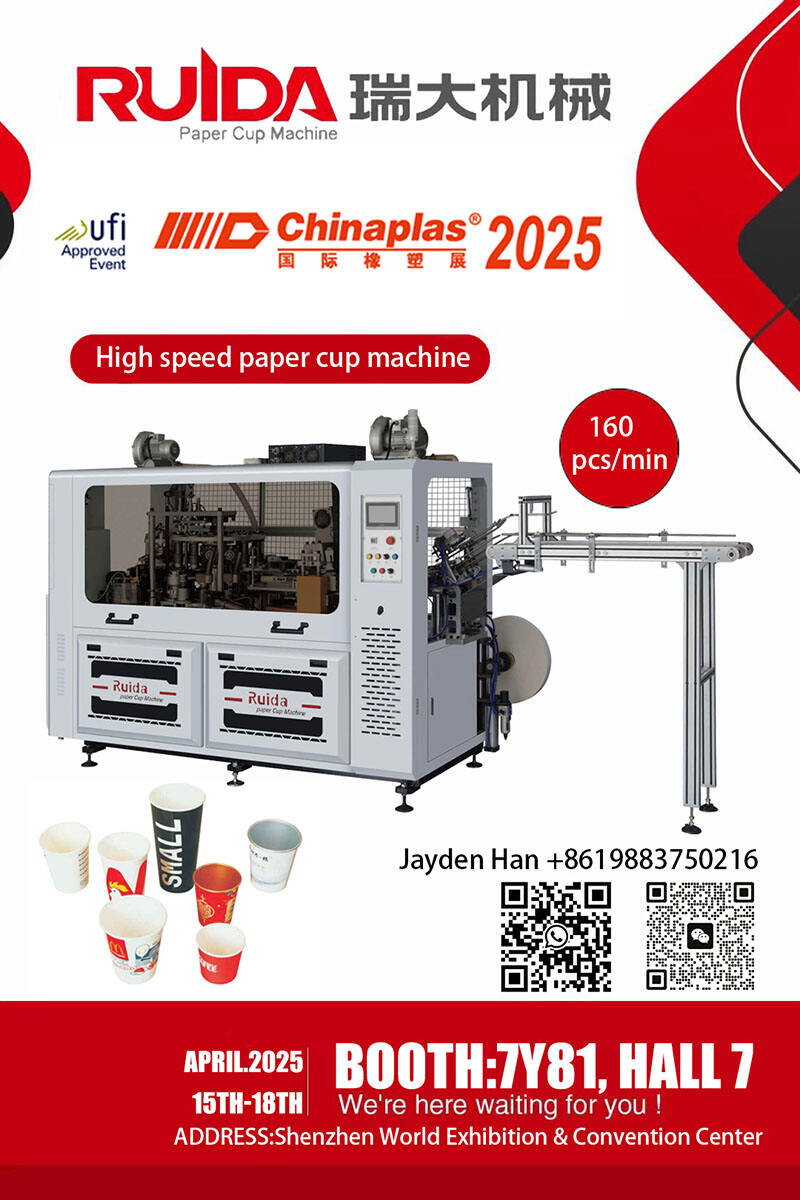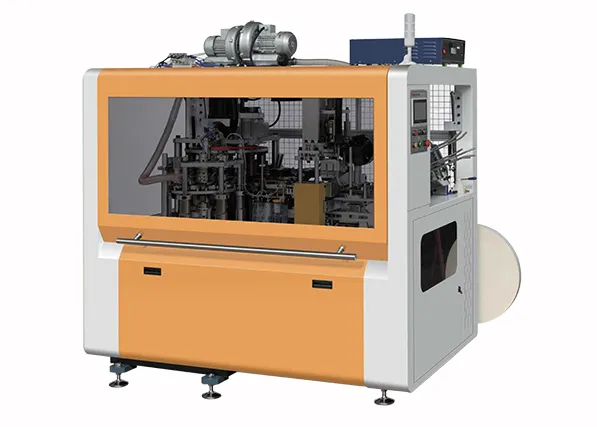

When first encountering the concept of “paper cup machine costs” in business decision-making, it's easy to dismiss it as a simple equipment purchase. However, its true significance extends far beyond the initial price tag, representing a profound strategic investment that delivers multiple long-term values to enterprises: economic autonomy, environmental sustainability, operational efficiency, and brand enhancement. First, from an economic perspective, purchasing the machine transforms ongoing external procurement costs into a one-time internal production expense. This enables businesses to eliminate dependence on suppliers, avoid price volatility and supply chain disruption risks, and achieve precise control over core packaging costs alongside long-term financial planning. More importantly, amid today's heightened global environmental awareness, investing in biodegradable paper cup production not only demonstrates corporate social responsibility but also significantly elevates brand image. This attracts eco-conscious consumers while enabling businesses to confidently navigate increasingly stringent plastic restriction regulations. Additionally, owning equipment grants unparalleled operational flexibility and independence. Companies can rapidly respond to market demands with on-demand production, eliminating inventory shortages or delivery delays. It also greatly facilitates product customization—such as printing brand logos and promotional messages—turning each cup into a mobile advertising space that strengthens brand recognition. Ultimately, considering these advantages collectively, the initial investment in a paper cup machine will deliver substantial long-term returns through cost savings, enhanced brand value, and new revenue streams, driving sustainable profitability and growth for businesses. Therefore, evaluating the “cost of a paper cup machine” hinges on comprehensively measuring its total value as a strategic asset—not merely focusing on its surface purchase price.