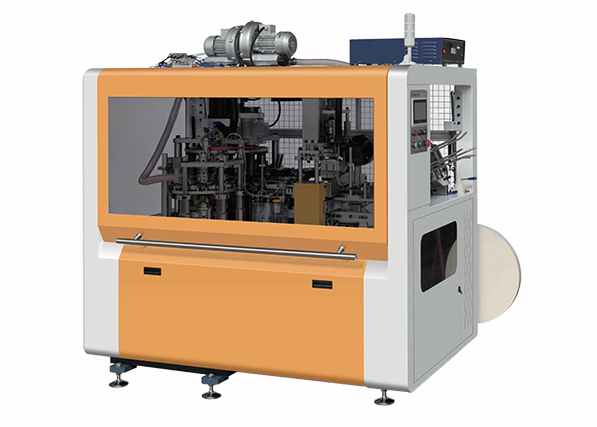
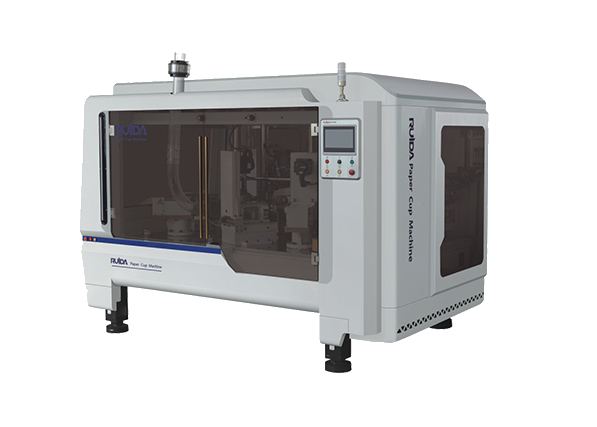
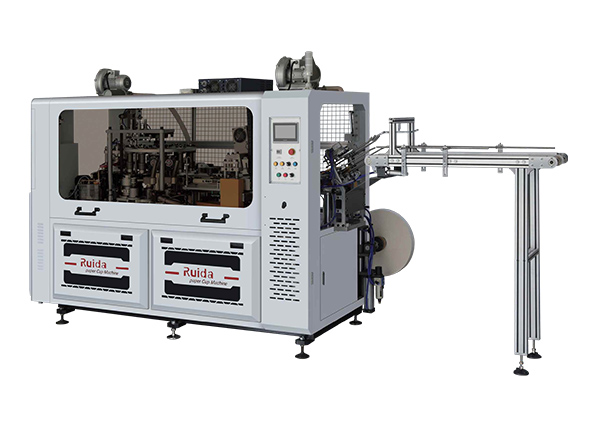
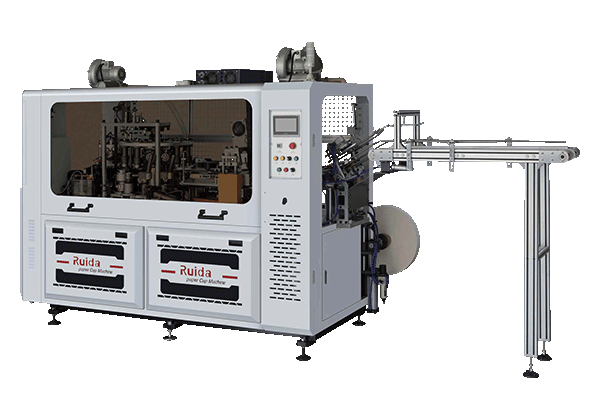
Investing in Paper Cup Tea Machines: The Business Value and Environmental Opportunities Behind the Price Tag
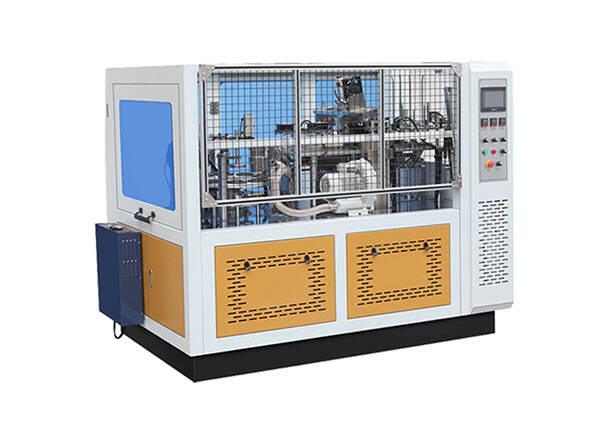
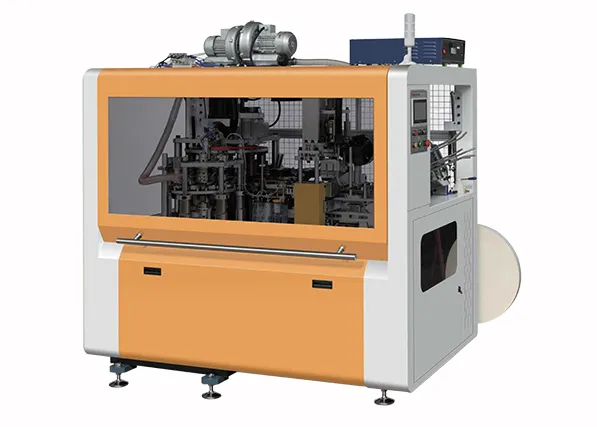
Amid today's dual trends of environmental sustainability and commercial efficiency, paper cup tea machines have become a focal point for the food service and packaging industries. For many businesses, the initial perception of “paper cup tea machine pricing” often reduces it to a mere cost expenditure. However, the significance of this equipment extends far beyond that—it represents a crucial step for enterprises toward automated production, cost reduction, and embracing sustainable development.
As global plastic bans advance, traditional plastic cups are being phased out, driving surging demand for paper cups as alternatives. Investing in paper cup tea machines allows businesses to directly participate in the environmental movement, attract sustainability-conscious consumers, align with policy directions, and avoid future compliance risks.
From an operational perspective, the cost of a paper cup tea machine is actually a rapidly recoupable investment. By producing cups in-house, businesses eliminate reliance on external suppliers, significantly reducing per-cup costs—making it particularly suitable for medium to large tea brands, chain coffee shops, and food packaging enterprises. Furthermore, the machine supports customized production, allowing companies to print brand logos, promotional messages, or even artistic designs on the cups, thereby enhancing brand recognition and market influence.
Beyond economic benefits, paper cup tea machines empower businesses with enhanced quality control. Utilizing food-grade materials and production processes ensures cup safety and hygiene, strengthening consumer trust. Operationally, in-house production lines offer greater flexibility to handle order fluctuations, accelerate product iteration, and even provide contract manufacturing services to peers, opening new revenue streams.
In summary, the “price” of paper cup tea machines should not be viewed in isolation but evaluated within a broader business vision. It serves as a vital tool for enterprises to enhance competitiveness, achieve green transformation, and gain control over their supply chains. For brands seeking sustainable development, this represents a strategic investment worthy of thorough consideration.

 EN
EN