The Fusion of Art and Technology: How Tea Bowl Molding Machines Are Reshaping the Ceramic Creation Ecosystem
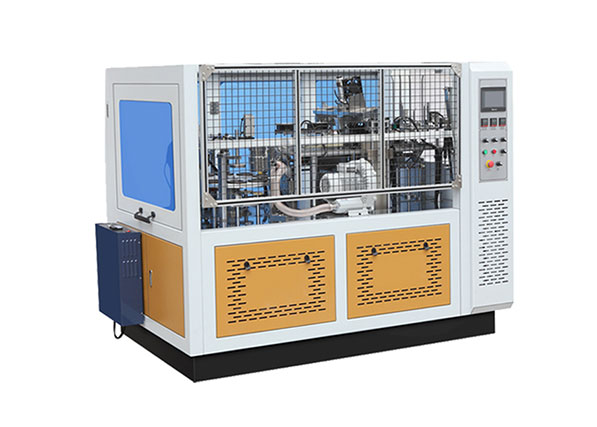
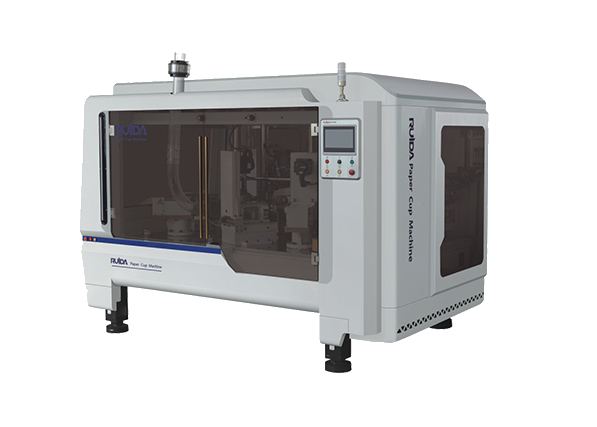
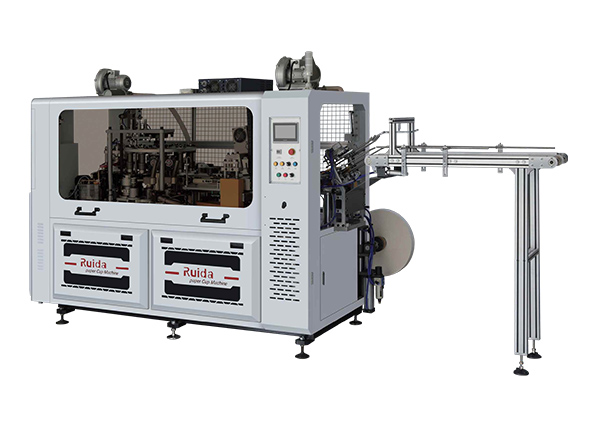
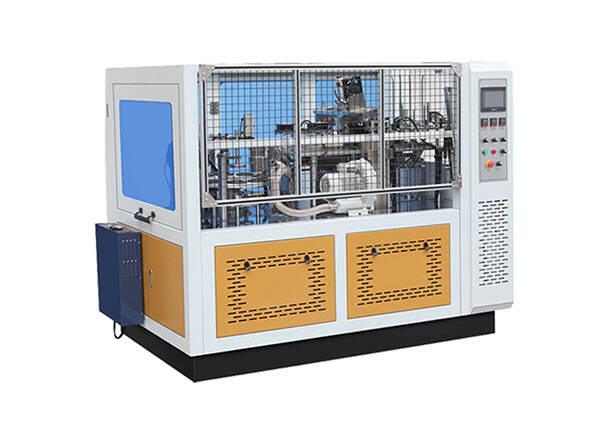
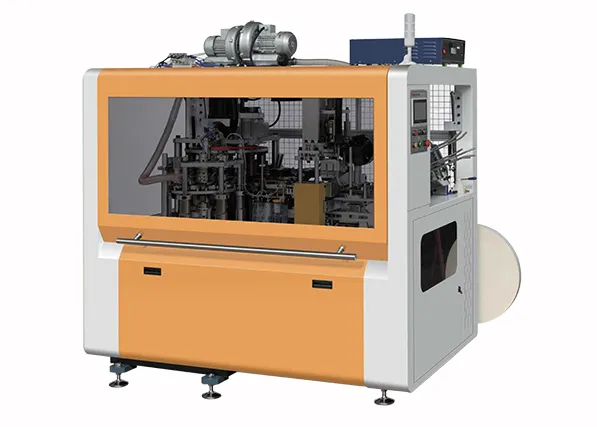
Throughout history, ceramic art has remained inextricably linked to the handcrafted skills of artisans. Yet an innovative technology is quietly transforming this traditional landscape. As a representative tool of the digital manufacturing era, the tea bowl-making machine is redefining the production methods, artistic expression, and business models of ceramic creation. Through its precise automated control system, this device transforms clay into uniformly shaped tea bowl blanks, preserving the warmth of craftsmanship while infusing the precision of modern technology.
For artists, the machine's core value lies in liberating creative potential. While traditional ceramic production demands extensive time mastering wheel-throwing techniques, the tea bowl maker automates foundational shaping processes. This allows creators to focus their energy on critical aspects of artistic expression—whether pioneering innovative glaze formulations, executing intricate surface carvings, or designing uniquely crafted vessel structures—unlocking unprecedented creative freedom. This technological empowerment frees ceramic artists from repetitive labor, allowing them to genuinely focus on elevating the artistic value of their work.
From a commercial perspective, the tea bowl machine enables small studios to achieve scalable production. Traditional handcrafting struggles to guarantee product consistency, whereas this equipment ensures uniform specifications across batches. This capability allows independent ceramic studios to fulfill large-scale orders and meet the demands of commercial clients. Simultaneously, increased production efficiency significantly reduces per-unit costs, creating greater profit margins for creators and transforming handmade ceramics from a hobby into a sustainable business model.
For ceramic enthusiasts, this device drastically lowers the learning curve. Beginners can produce beautifully shaped tea bowls without extensive foundational training, and this immediate sense of accomplishment fuels sustained learning enthusiasm. Educational institutions can also leverage such equipment to accelerate students' entry into creative practice, cultivating a new generation of ceramic artists.
The emergence of the tea bowl maker signifies a shift in ceramic production from purely manual labor toward digitally assisted creation. It represents both a preservation of traditional craftsmanship and an innovation in modern production methods, offering new possibilities for the continuity and development of ceramic art in contemporary society. This fusion of technology and artistry is redefining the ecosystem of handmade creation in our era.

 EN
EN