
 EN
EN
Environmental Impact: How a Paper Bowl Machine Reduces Plastic Waste and Carbon Footprint
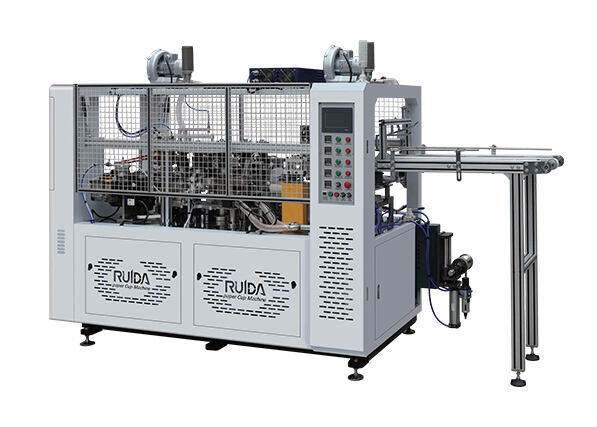
Annual plastic displacement: Quantifying the 2.4 million plastic container replacement per machine
One paper bowl machine can replace around 2.4 million plastic containers every year, keeping about 48 tons of non-recyclable plastic out of landfills and our oceans annually. These machines run between 80 to 120 units per minute during three daily shifts, which keeps pace with restaurant and cafeteria needs without cutting corners on production volume. What makes this possible? The machines have continuous molding features, generate about 15 percent less paper waste compared to traditional hand methods because they form bowls so precisely, and connect directly to recycled paper mills. This connection cuts down on the need for brand new plastic materials significantly.
Lifecycle analysis: Lower embodied energy and CO emissions vs. plastic thermoforming (per 1,000 units)
Paper bowl manufacturing now produces about 28 percent fewer carbon emissions than plastic options when looking at 1,000 unit production runs, based on recent 2022 life cycle assessments. Why? Well, paper pulp requires less energy during processing compared to extracting petrochemicals. Plus, these bowls can be packed much more efficiently during transport because they nest together, saving around 30% space in shipping containers. And best of all, they're industrially compostable so nobody has to burn them later. Add some bagasse reinforcement to these bowls though, and we're talking even better numbers. Bagasse comes from leftover sugarcane after juice production, by the way. With this addition, emissions fall another 35% below what plastic would generate for similar products.
Material Innovation Enabled by Modern Paper Bowl Machines
Processing diverse eco-materials: PLA-coated, bagasse-reinforced, and bamboo-fiber papers
Modern paper bowl machines now handle quick switches between different eco-friendly materials without needing special tools. They work well with things like paper coated in PLA to resist oils, bagasse reinforced stock that holds its shape better, and bamboo fiber composites that break down faster in nature. The flexibility these machines offer means factories can adjust their operations based on what local bio materials are available at any given time, plus keep up with changing regulations around the world. Factory reports suggest somewhere around 15 to maybe even 20 percent less waste when switching materials, because the machines automatically calibrate themselves to avoid getting stuck or causing production delays.
PFAS-free moisture and heat resistance: Engineering advances in high-speed paper forming
Modern paper bowl manufacturing has made big strides lately, creating products that stand up to liquids and heat without needing those harmful PFAS coatings. The secret lies in triple layer compression at pressures reaching around 400 PSI. This process packs fibers tightly together, forming natural barriers against moisture. At the same time, infrared technology kicks in to bond plant based materials within just three seconds flat. What does all this mean? Bowls that can actually hold hot soup at 100 degrees Celsius for well over two hours without leaking or breaking down. Since early 2022, companies making these bowls have been helping restaurant chains and food brands stay compliant with plastic ban regulations across eleven different states throughout America. Best part? They still work just as well as traditional disposable options did before.
End-of-Life Advantage: Recyclability, Compostability, and Infrastructure Compatibility
Certified industrial compostability (ASTM D6400/EN 13432) and curbside recyclability pathways
Paper bowls made on today's production lines actually comply with those tough ASTM D6400 and EN 13432 standards for industrial compostability. They'll completely turn back into rich soil within around 180 days when processed at commercial composting sites. That makes a big difference for city composting efforts too, keeping roughly 30% more organic material out of landfills compared to regular plastic options. What's really nice is these bowls work just fine with current paper recycling systems as well. Most curbside programs in developed countries (we're talking about 60% plus) will take them without any issues. Having both compost and recycling options means we can recover resources instead of just throwing away packaging. Waste gets transformed into something useful again whether it ends up as compost or gets turned back into new paper products.
Market Alignment: Why Foodservice Brands Are Accelerating Adoption of Paper Bowl Machines
The food service industry is jumping on board with paper bowl machines fast, driven by three main factors coming together at once: stricter environmental rules, growing customer preference for green packaging, and the simple fact that businesses need to operate efficiently at scale. More than 130 places around the world have already banned single-use plastics, so these automated machines aren't just helpful anymore they're practically necessary for making biodegradable packaging in bulk quantities. And let's face it, customers care too. According to recent market research, nearly three quarters of people look for eco friendly options when picking their favorite food spots. That creates real business pressure to ditch plastic alternatives. The good news? These modern machines handle both regulatory compliance and cost savings. They cut down on labor expenses by almost half compared to traditional methods and can produce three times as many bowls per hour. No wonder why most major fast food chains are planning to invest in this technology soon. We're definitely seeing a shift toward sustainability across the entire food service sector.
FAQ
What is the environmental impact of using a paper bowl machine instead of plastic containers?
A paper bowl machine can replace approximately 2.4 million plastic containers annually, excluding 48 tons of non-recyclable plastic from landfills and oceans.
How does paper bowl manufacturing result in lower carbon emissions?
Paper bowl manufacturing emits 28% fewer carbon emissions than plastic options per 1,000 units, primarily because paper pulp requires less energy than petrochemical extraction.
Are paper bowls made with modern machines recyclable and compostable?
Yes, paper bowls comply with ASTM D6400 and EN 13432 standards for compostability and are compatible with curbside recycling systems.
Why are food service brands adopting paper bowl machines?
Food service brands are adopting paper bowl machines due to stricter environmental regulations, increased customer demand for sustainable packaging, and efficient production capabilities at scale.
Table of Contents
- Environmental Impact: How a Paper Bowl Machine Reduces Plastic Waste and Carbon Footprint
- Material Innovation Enabled by Modern Paper Bowl Machines
- End-of-Life Advantage: Recyclability, Compostability, and Infrastructure Compatibility
- Market Alignment: Why Foodservice Brands Are Accelerating Adoption of Paper Bowl Machines
- FAQ