
 EN
EN
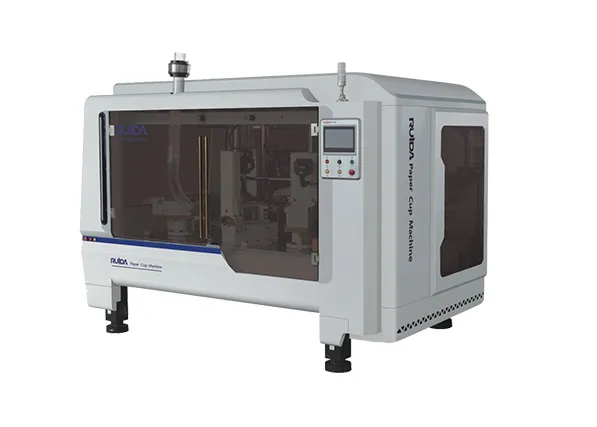
Understanding the Paper Bowl Machine: Function and Industry Impact
Definition and primary applications of a paper bowl machine
Paper bowl machines take flat sheets of paper stock and turn them into ready-to-use food containers by going through several steps like feeding the material, shaping it into form, sealing edges properly, and adding final touches. These automated systems play a big role in making all sorts of disposable tableware needed by fast food restaurants, event caterers, and companies packaging frozen meals. Some top speed models can crank out around 105 bowls every minute according to Das Papercup's report from last year. Today's equipment handles various materials such as paper coated with plant-based PLA or layered with thin aluminum foil. This flexibility allows manufacturers to create products that work well whether serving piping hot soups or keeping ice cream cold until served.
Role in sustainable packaging and food service industries
Plastic restrictions have spread to over 120 nations according to UNEP's latest report from last year, making paper bowl machines essential for businesses trying to meet green standards. Many companies are switching to plant-based glues and eco-friendly finishes as part of their sustainability efforts. Restaurants and cafes see real advantages too. Dishwasher expenses drop around half when using these alternatives, plus they stay compliant with those strict EU rules about single-use plastics. Some kitchen managers even say staff spend less time cleaning equipment overall.
Evolution from manual to high-speed automatic paper bowl machines
The industry has evolved from hand-operated presses producing 10-15 bowls per hour to fully automated servo-driven systems through three key phases:
- Mechanical Era (1980s): Utilized flywheel presses for basic bowl shapes
- PLC Integration (2000s): Introduced digital controls, touchscreens, and error detection
- Smart Automation (2020s): IoT-enabled machines achieving <8µm precision and less than 0.2% material waste
This technological progression supports a projected 6.8% CAGR for paper packaging machinery through 2030 (Smithers Pira Report, 2023), fueled by demand for efficient, customizable, and eco-friendly production.
How a Paper Bowl Machine Works: Core Principles and Automation
Overview of the working principle of a high-speed paper bowl machine
Modern high speed paper bowl machines take long rolls of paper and turn them into ready to use bowls through carefully timed automated processes. The system starts with servo controlled rollers that gently unwind the coated paper material, maintaining just the right amount of tension as it feeds into special cutting stations where the basic bowl shapes get formed. Once shaped, heated rollers and molds give the bowls their final form, with food safe glue applied strategically along the edges to create strong seals. What makes these machines truly impressive is their ability to run continuously without stopping, which means today's advanced systems can produce over 120 finished bowls every single minute. This constant operation eliminates those annoying breaks between production cycles that used to slow things down in older manufacturing setups.
Synchronization of mechanical processing and gluing in continuous operation
Getting things done right depends heavily on how well mechanical forming works together with adhesive bonding processes. The system starts with pneumatic arms moving those cut blanks over to the forming stations. At these stations, special dispensers put just the right amount of glue onto those overlapping seams. We've got infrared sensors checking that the adhesive spreads evenly across surfaces, while servo motors tweak the roller pressure constantly depending on what they detect from paper thickness readings in real time. What this whole setup does is keep everything dimensionally consistent down to about half a millimeter difference, plus it cuts down on wasted materials significantly compared to older methods.
Role of automation, servo systems, and PLCs in precision control
PLCs function as the brain behind many industrial processes, controlling everything from servo motors to temperature settings and running quality inspection routines. Servo drives with encoders can achieve really fine control at the micron level when working on edge curling operations, which makes all the difference in producing those smooth, comfortable rims customers expect. Some newer PLC models come packed with IoT sensors that monitor vibrations and can actually warn about potential bearing issues around 500 hours before they become problems. This kind of predictive maintenance cuts down unexpected shutdowns by roughly two thirds compared with what we saw in previous generations of equipment. The touchscreen panels these days let factory workers swap between different bowl sizes in less than a minute and a half, so changing production runs happens much faster than it used to.
Step-by-Step Paper Bowl Manufacturing Process
Paper Feeding and Tension Control
Production begins when food grade paperboard rolls are fed through the machine using servo driven rollers. Keeping everything aligned properly is critical since even small misalignments can cause big problems down the line. That's where the precision tension controls come in handy, working alongside infrared sensors to keep things straight within half a millimeter. Wrinkles and tears remain a major headache on the factory floor, responsible for nearly all material handling stoppages according to recent data from the Paper Packaging Study released last year. When dealing with sensitive materials such as sugarcane fiber, maintaining proper environmental conditions becomes essential. Special hygrometer systems monitor and regulate humidity levels throughout the feeding process, ensuring they stay under 15% to protect these delicate substrates from damage.
Die Cutting and Shaping for Consistent Bowl Profiles
Laser-guided die-cutting heads shape flat sheets into bowl blanks with 0.1 mm tolerance. High-carbon steel blades operating at 300-500 strokes per minute produce standardized sidewall angles of 85-90°, ensuring structural integrity. Real-time thickness monitoring reduces material rejects by up to 30%, improving yield and consistency.
Body Forming Using Rollers and Molds
Hydraulic arms press blanks against heated CNC-machined aluminum molds (60-80°C). Triple-stage rollers gradually form cylindrical sidewalls while preserving base thickness at or above 380 GSM. Temperature-regulated chambers ensure even curing of water-based adhesives, achieving peel strength greater than 4.5 N/mm² for leak-resistant construction.
Bottom Punching and Attachment With Sealing
Synchronized punching units create circular bases from leftover sheet material, which robotic arms position with ±0.3 mm accuracy. High-frequency sealing heads (20 kHz) fuse components in 0.8-second cycles through localized cellulose bonding, eliminating the need for adhesives. This method cuts VOC emissions by 62% compared to traditional gluing techniques.
Edge Curling for Smooth Finishing
Dual-axis servo motors curl bowl rims along micro-adjusted paths, forming rolled edges between 1.2-1.8 mm. Vision inspection systems analyze 180 units per minute, rejecting any with deviations exceeding 0.2 mm. Finished bowls exit via vibration-dampened conveyors at speeds up to 120 units per minute.
Key Components and Structural Design of High-Speed Paper Bowl Machines
Integration of Motors, Drives, Sensors, and Controllers
The best paper bowl machines depend heavily on electromechanical systems working together seamlessly. Servo motors handle important tasks like feeding material and shaping the bowls, whereas variable drives take care of adjusting torque and managing speed changes during operation. Optical sensors are pretty impressive too, spotting even tiny misalignments as small as 0.1mm and sending this information to PLC controllers which keep everything running smoothly from start to finish. When all these components work well together, manufacturers can produce over 300 bowls every single minute. That's actually about 40% faster than what we see with traditional non-automated methods according to recent industry reports from Packaging Machinery back in 2023.
Reinforced Frames and Vibration Damping for Stable Performance
Heavy-duty cast iron frames with cross-bracing minimize operational deflection by 72% compared to standard steel constructions. Multi-layer damping pads absorb high-frequency vibrations generated during die-cutting, maintaining positional accuracy within ±0.05 mm. These robust designs support continuous 24/7 operation and extend component lifespan.
Modular Design and IoT Integration for Predictive Maintenance
Today's machinery comes with modular designs that make swapping out parts prone to wear much easier, such as those forming molds that get used so frequently. The machines also have built-in IoT sensors that keep an eye on things like motor current levels and how hot the bearings are getting, then send all this information over to maintenance prediction software. What these smart systems do is predict when something might break down before it actually happens, which cuts down on unexpected stoppages by around three quarters according to many plant managers. This kind of proactive approach helps factories move closer to what we now call Industry 4.0 standards for modern manufacturing setups.
Future Trends and Innovations in Paper Bowl Machine Technology
AI-driven quality control and real-time monitoring systems
The paper bowl manufacturing sector is seeing big changes thanks to artificial intelligence applications. These days, smart vision systems driven by machine learning can spot tiny defects as they happen on the production line. Factories report around 18% less wasted material since switching from traditional visual checks to these automated systems. Meanwhile, manufacturers are getting warning signs about machinery problems long before breakdowns occur. With IoT connected platforms analyzing data streams, some plants get alerts about potential issues nearly three full days ahead of time. This kind of predictive maintenance brings us closer to that ideal of running operations without any unplanned stoppages, something many companies have been striving for years to achieve.
Shift toward biodegradable adhesives and eco-friendly sealing methods
The push from regulations and changing consumer expectations is making companies switch to plant based glues that work well with industrial composting requirements. Manufacturers have developed new dispensing equipment that applies these bio adhesives just as fast as traditional ones, around 220 to 300 containers per minute, which solves previous problems with production rates. At the same time, improvements are happening in heat sealing technology for papers coated with polylactic acid (PLA). These advances allow complete biodegradability in bowl manufacturing while still keeping up with regular production speeds on factory lines.
Market outlook: 6.8% CAGR projected through 2030
According to the Smithers Pira Report from 2023, the worldwide market for paper bowl machines should see growth at around 6.8% each year until 2030. This trend is being pushed forward mainly because people are ordering more food deliveries these days plus there are stricter rules against using plastic products everywhere now. Most of the new equipment gets installed in Asia Pacific countries where they make up about 43% of all installations. Meanwhile over in Europe, companies tend to focus on making their machines consume less power and produce fewer emissions during operation.
FAQ
What is a paper bowl machine?
A paper bowl machine is an automated system that transforms flat sheets of paper stock into disposable tableware, such as bowls, for use in the food service industry. It involves steps such as material feeding, shaping, sealing, and finishing.
How does a paper bowl machine contribute to sustainability?
Paper bowl machines are key to achieving sustainable packaging, especially with global restrictions on plastic. They allow for the use of biodegradable materials and eco-friendly glues, thus reducing environmental impact.
What are the major technological advancements in paper bowl machines?
Technological advancements include the transition from manual to high-speed automated machines with IoT integration, PLCs, and smart automation, improving efficiency, precision, and cutting material waste significantly.
What is the significance of automation in paper bowl manufacturing?
Automation enhances efficiency and precision in manufacturing processes by synchronizing different stages, minimizing material waste, and allowing for predictive maintenance through real-time monitoring.
Table of Contents
- Understanding the Paper Bowl Machine: Function and Industry Impact
- How a Paper Bowl Machine Works: Core Principles and Automation
- Step-by-Step Paper Bowl Manufacturing Process
- Key Components and Structural Design of High-Speed Paper Bowl Machines
- Future Trends and Innovations in Paper Bowl Machine Technology
- FAQ