
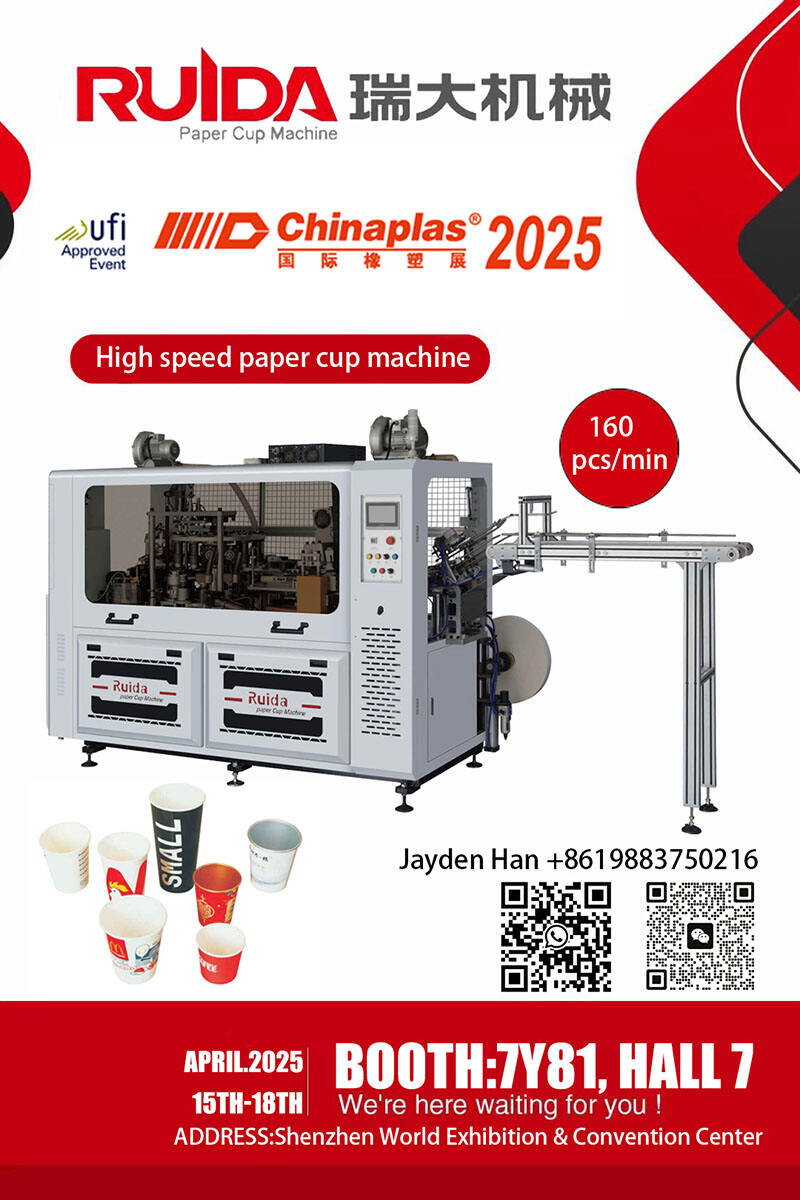
Revolutionizing Sustainable Packaging: How Paper Cup Machines Drive Environmental and Commercial Benefits
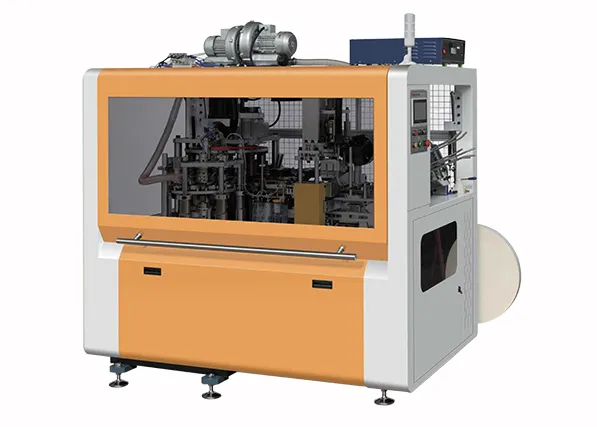
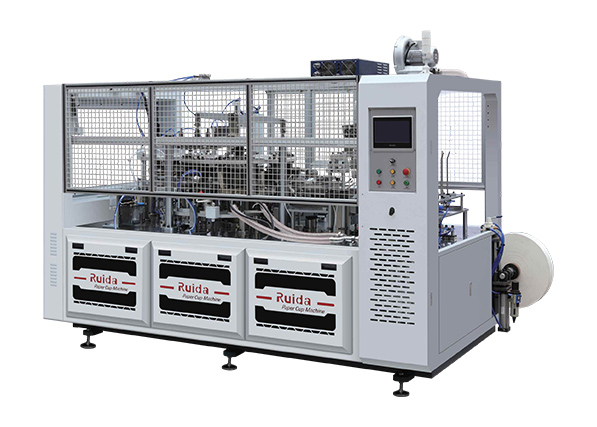
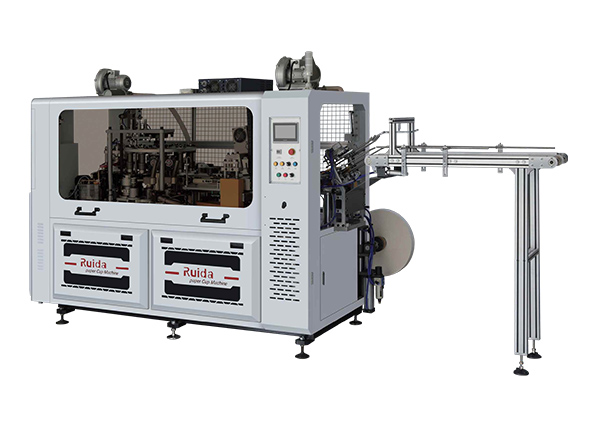
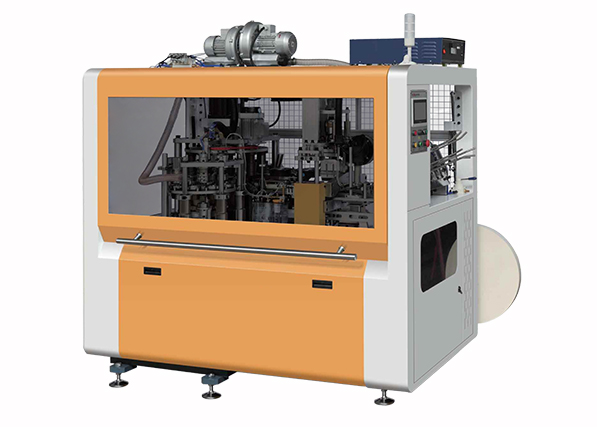
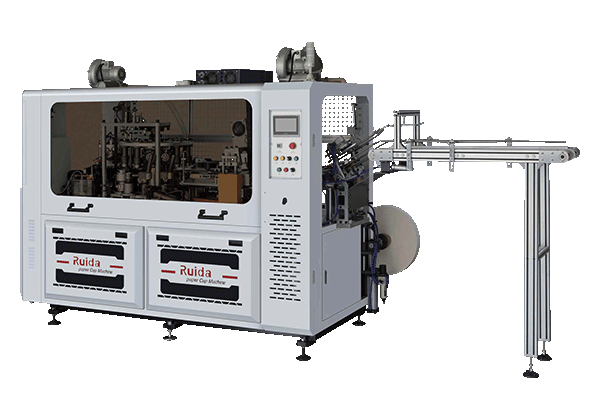
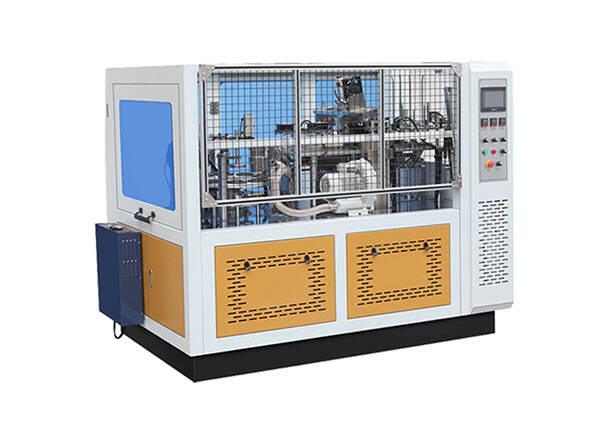
Amidst the global push to combat plastic pollution and accelerate green transformation, paper cup machines have evolved beyond mere industrial equipment into pivotal technologies bridging environmental imperatives with commercial growth. As more countries and regions implement plastic bans, market demand for biodegradable and recyclable paper cups is surging. Paper cup production machines provide the core solution to meet this demand. They efficiently transform food-grade kraft paperboard into durable paper cups, significantly reducing environmental impact while offering businesses flexible production capabilities to adapt to market shifts.
From a business perspective, adopting paper cup production machines allows enterprises to shift from reliance on external suppliers to autonomous control over production processes. This transition not only reduces supply chain risks and production costs but also enhances companies' ability to maintain product quality and brand consistency. For food service brands, packaging manufacturers, and large food enterprises in particular, establishing in-house paper cup production lines enables rapid response to market demand shifts, supports customized printing, and further strengthens brand image and market competitiveness.
Beyond this, the technological evolution of paper cup production machines aligns closely with circular economy principles. Modern models accommodate eco-friendly water-based coatings and compostable materials, achieving a true green manufacturing loop from raw materials to finished products. This not only helps companies fulfill social responsibilities and enhance brand credibility but also positions them to seize opportunities in markets marked by stricter policies and shifting consumer preferences.
In summary, paper cup production machinery embodies the convergence of innovation, efficiency, and sustainability. It serves as both a tool for enterprises to achieve low-cost, highly flexible production and a vital engine driving the industry's transition toward environmental friendliness. Investing in this technology is not merely about business expansion; it is about maintaining a competitive edge in future markets while contributing to the planet's sustainable development.