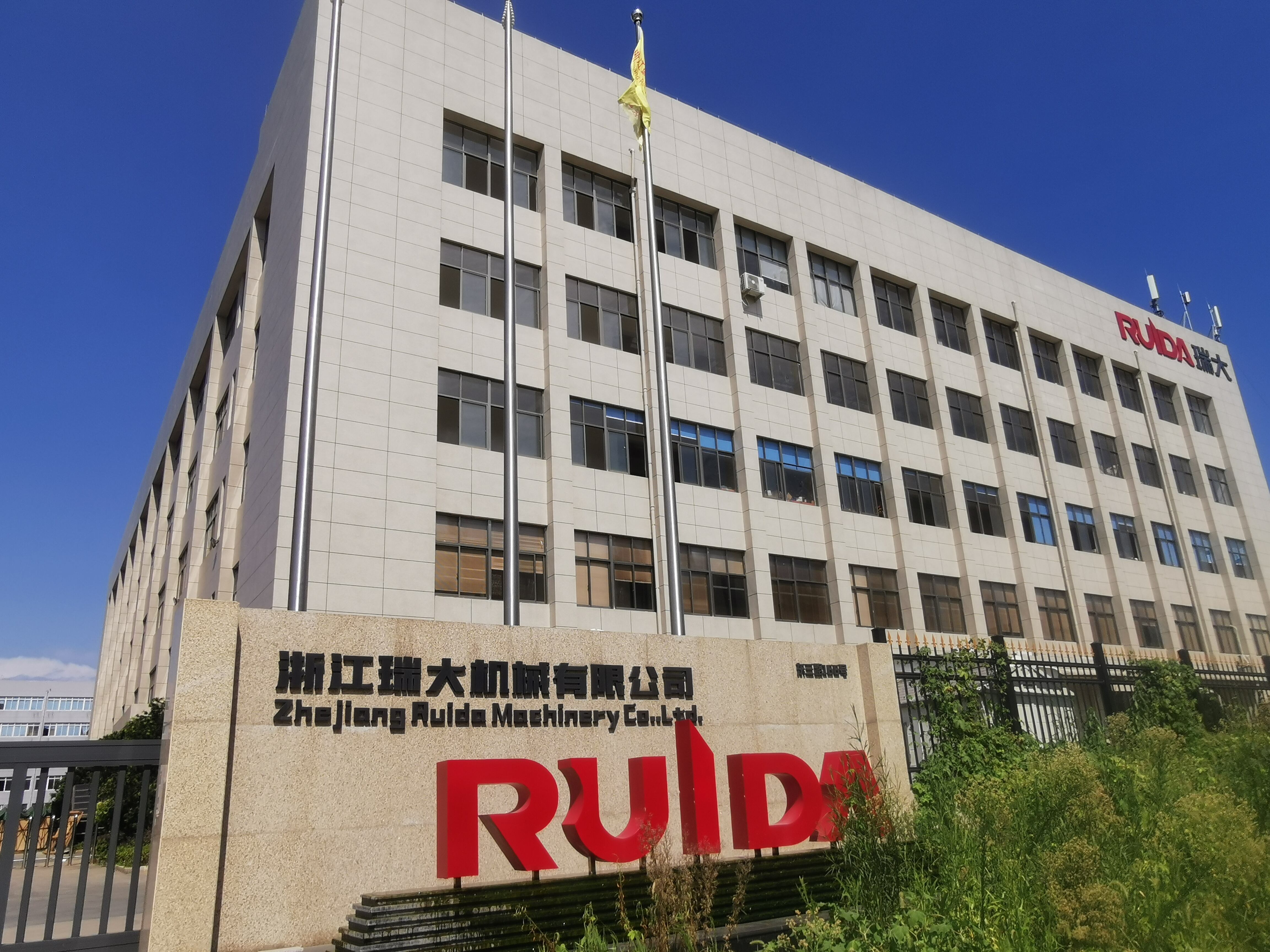
The Price and Strategic Value of Fully Automatic Paper Cup Machines: The Ultimate Guide to Return on Investment and Industry Transformation
In today's fiercely competitive market environment, fully automatic paper cup machines are no longer merely production tools—they have become vital engines driving enterprises toward scaled, efficient, and sustainable development. The value embedded in their price manifests across economic, operational, and strategic dimensions, positioning them as core drivers of industry transformation.
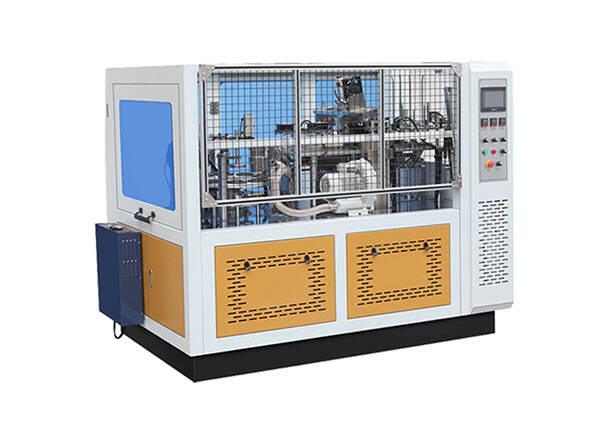
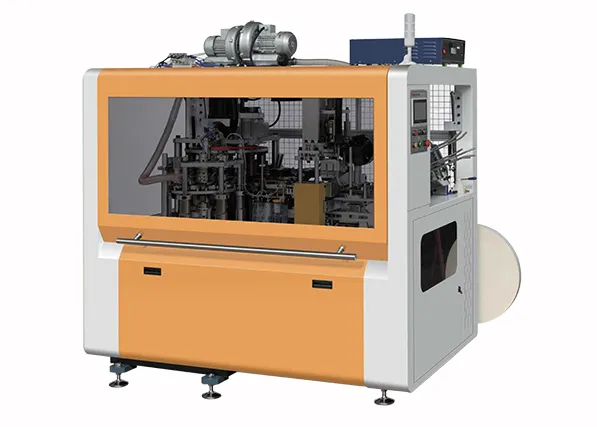
Economically, these machines significantly boost corporate capacity and profit margins through high-speed, continuous automated production. A single unit can produce thousands of uniformly sized paper cups per hour, drastically reducing unit costs and labor dependency. Simultaneously, precise control systems minimize material waste, further optimizing production cost structures and enabling rapid return on investment.
Operationally, automated production ensures consistent product quality and reliability. The fully automated process—from paper roll feeding to forming, sealing, and stacking—eliminates human error, substantially improving product yield rates and customer satisfaction. Intelligent control and fault diagnosis systems also enhance equipment stability and production efficiency, providing robust support for handling large-scale orders and rapid market responsiveness.
From an environmental and market perspective, the global “plastic ban” movement continues to accelerate. As a biodegradable and renewable eco-friendly product, demand for paper cups is surging rapidly. Investing in fully automated paper cup manufacturing machines is not only a strategic choice for businesses adapting to policy shifts and consumer trends but also a crucial step in seizing opportunities in the green economy, enhancing brand image, and demonstrating social responsibility.
Therefore, the pricing of fully automatic paper cup manufacturing machines should be understood as a comprehensive investment encompassing both short-term costs and long-term returns. Its true value lies in propelling enterprises to transition from labor-intensive to technology-intensive operations, establishing an efficient, eco-friendly, and highly competitive production system. When making procurement decisions, beyond focusing solely on the equipment's quoted price, it is essential to comprehensively evaluate its performance parameters, energy consumption levels, after-sales support, and potential investment return cycles. This holistic assessment enables a rational choice that genuinely aligns with the enterprise's developmental needs.

 EN
EN