
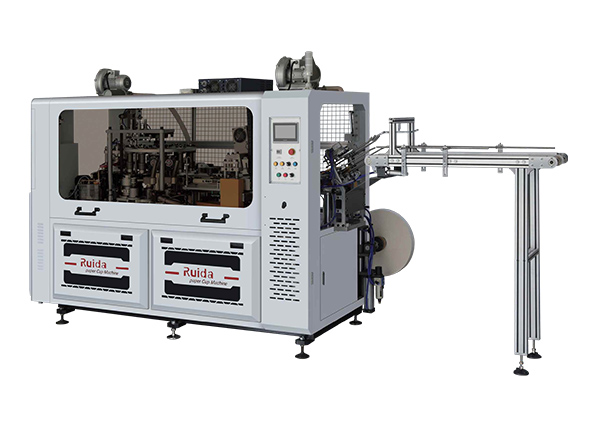
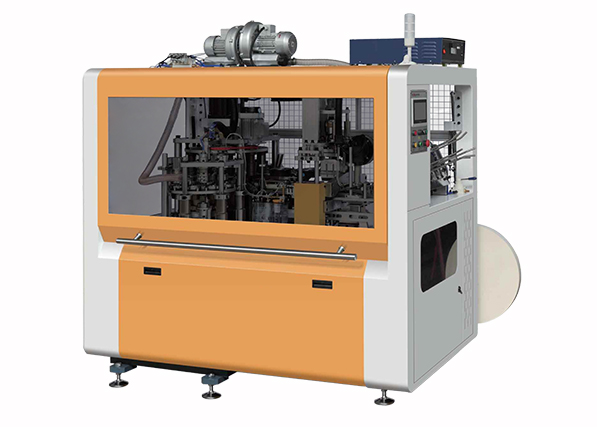
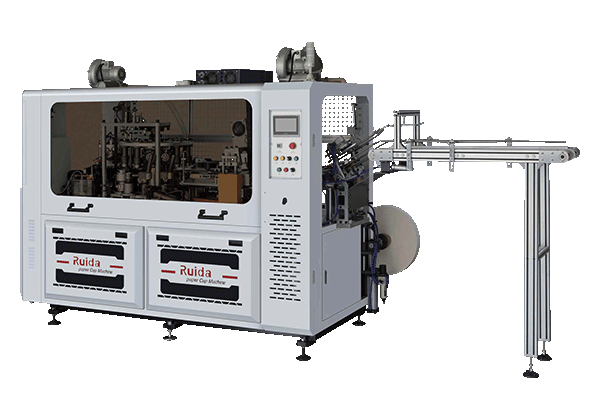
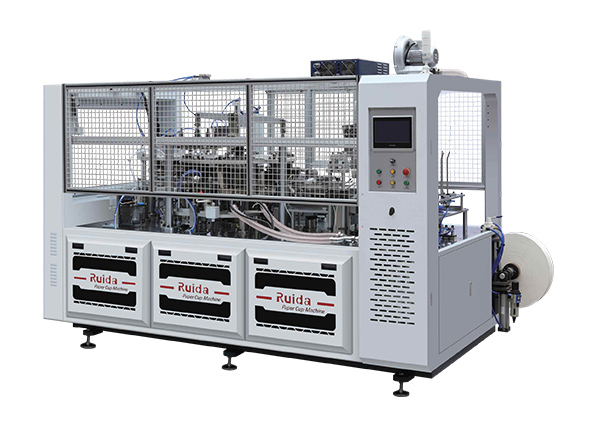
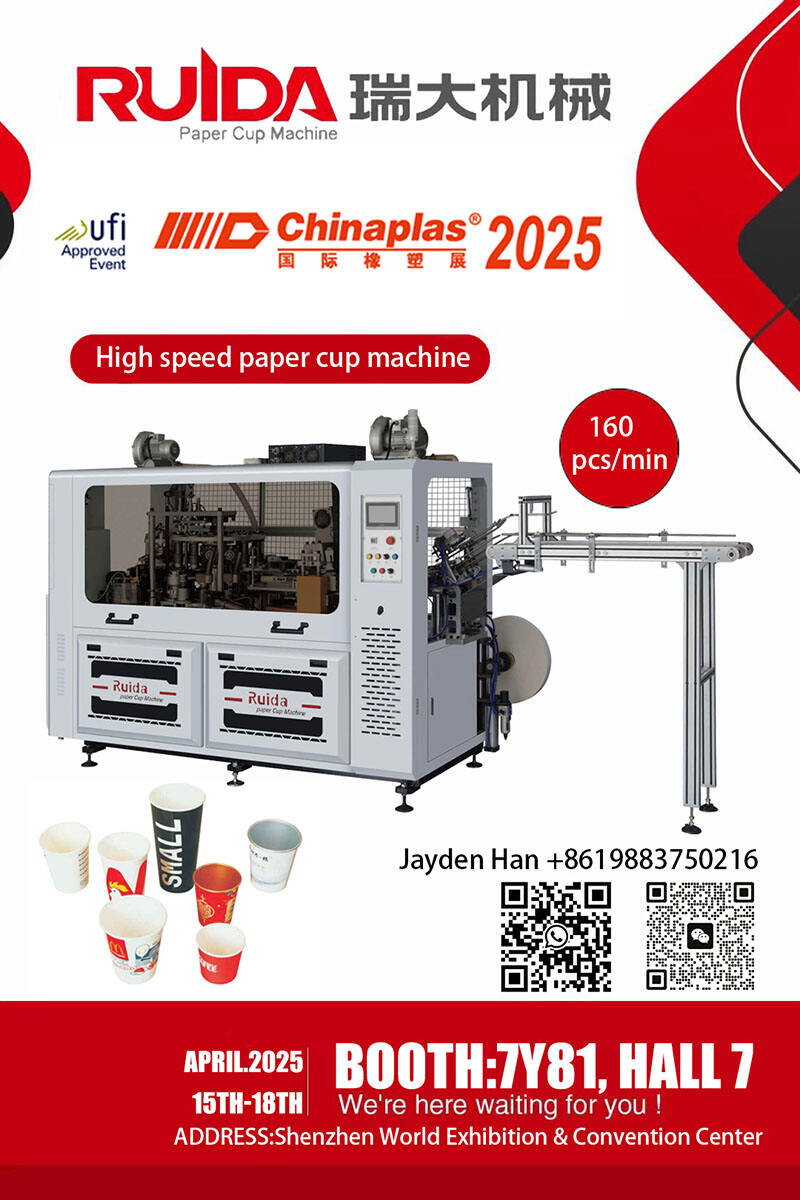
Paper Cup Manufacturing Machines: Unlocking Golden Entrepreneurial Opportunities That Combine Environmental Sustainability and Profitability
Globally, the transition to a sustainable economy has become an irreversible trend, and paper cup manufacturing machines stand as a key tool within this wave, offering entrepreneurs a unique, high-potential business opportunity. As governments worldwide impose stringent restrictions on single-use plastics, demand for eco-friendly paper cups has surged across the food service, office supply, and event industries. This market shift not only creates a stable order pipeline but also endows paper cup manufacturing with remarkable resilience against economic fluctuations. Even during downturns, habits like daily coffee consumption remain highly resilient, ensuring sustained profitability for producers.
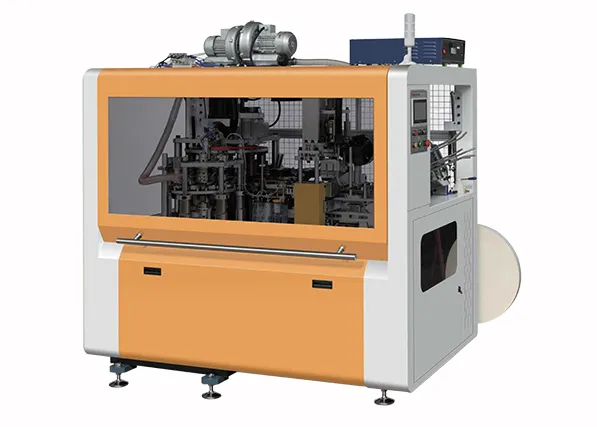
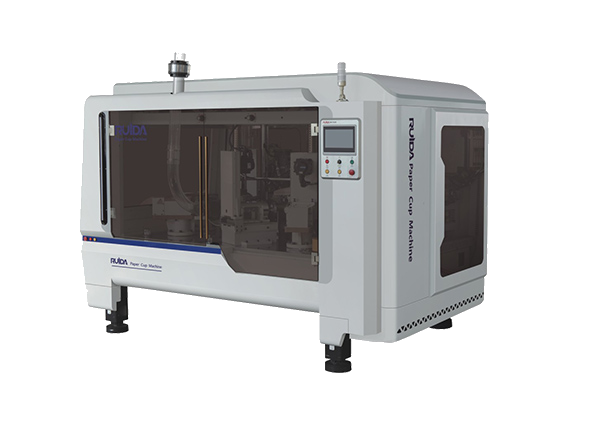
From a business model perspective, the core advantage of paper cup manufacturing machines lies in their disruptive transformation of supply chain control. By converting raw materials—such as kraft paper and PE laminate—into high-value finished products, producers capture the entire profit margin from intermediate stages. A single high-efficiency automated machine can produce thousands of customized paper cups per hour. This not only meets local customers' demand for rapid response but also significantly reduces procurement costs and logistics risks for brand owners. This “local production, nearby supply” model strengthens regional economic integration while offering manufacturers an entry point into the food service supply chain.
More importantly, this business boasts high scalability and substantial brand value growth potential. Entrepreneurs can start with basic cup production and gradually expand into multiple categories like cold drink cups, advertising custom cups, and paper bowls. As consumers increasingly prioritize eco-certifications, a paper cup company with sustainable production credentials not only benefits from policy incentives but also gains long-term partnerships with business partners focused on ESG (Environmental, Social, and Governance) values, thereby establishing differentiated competitive barriers.